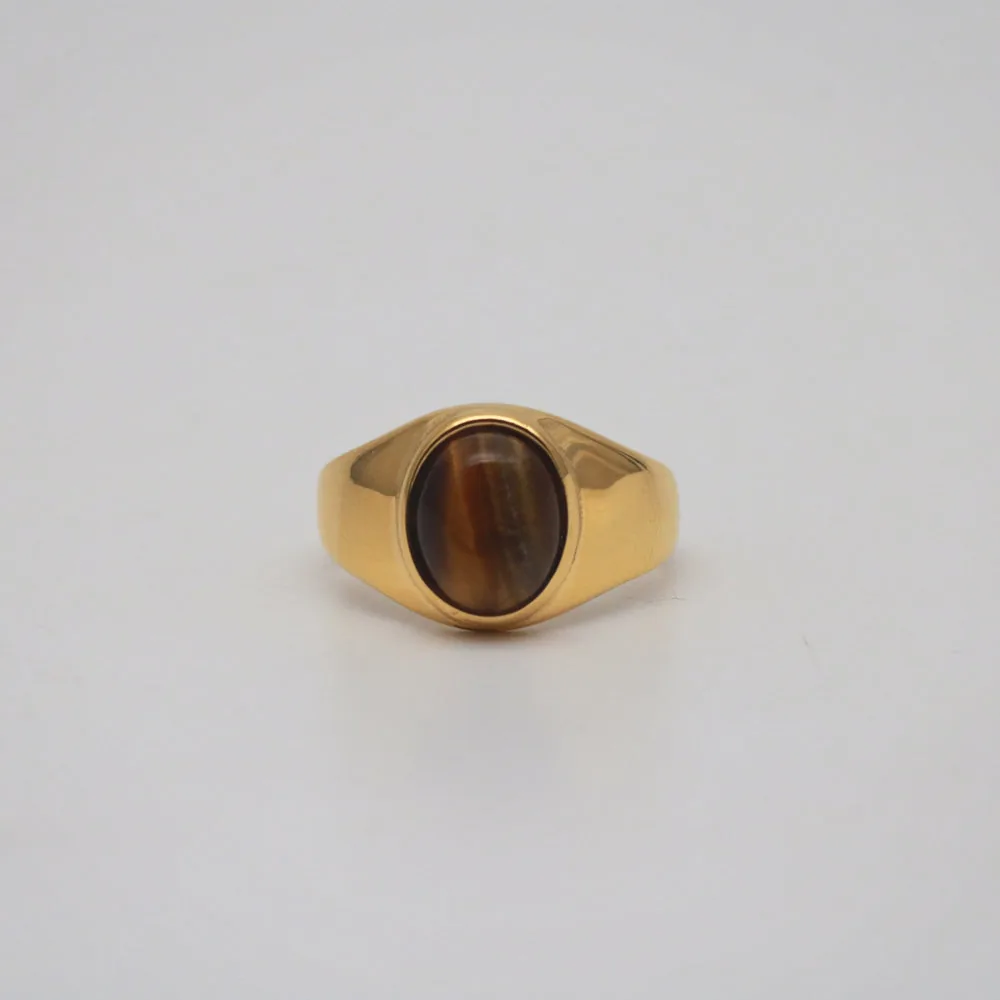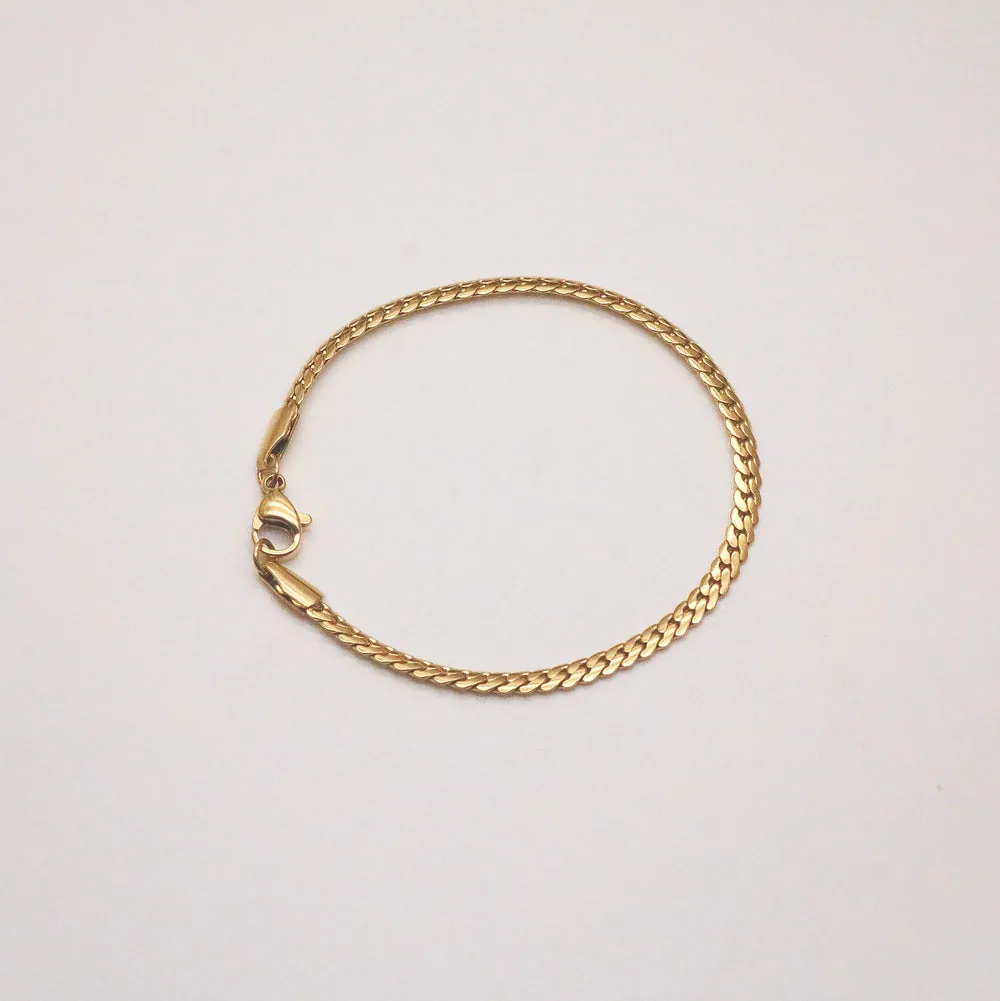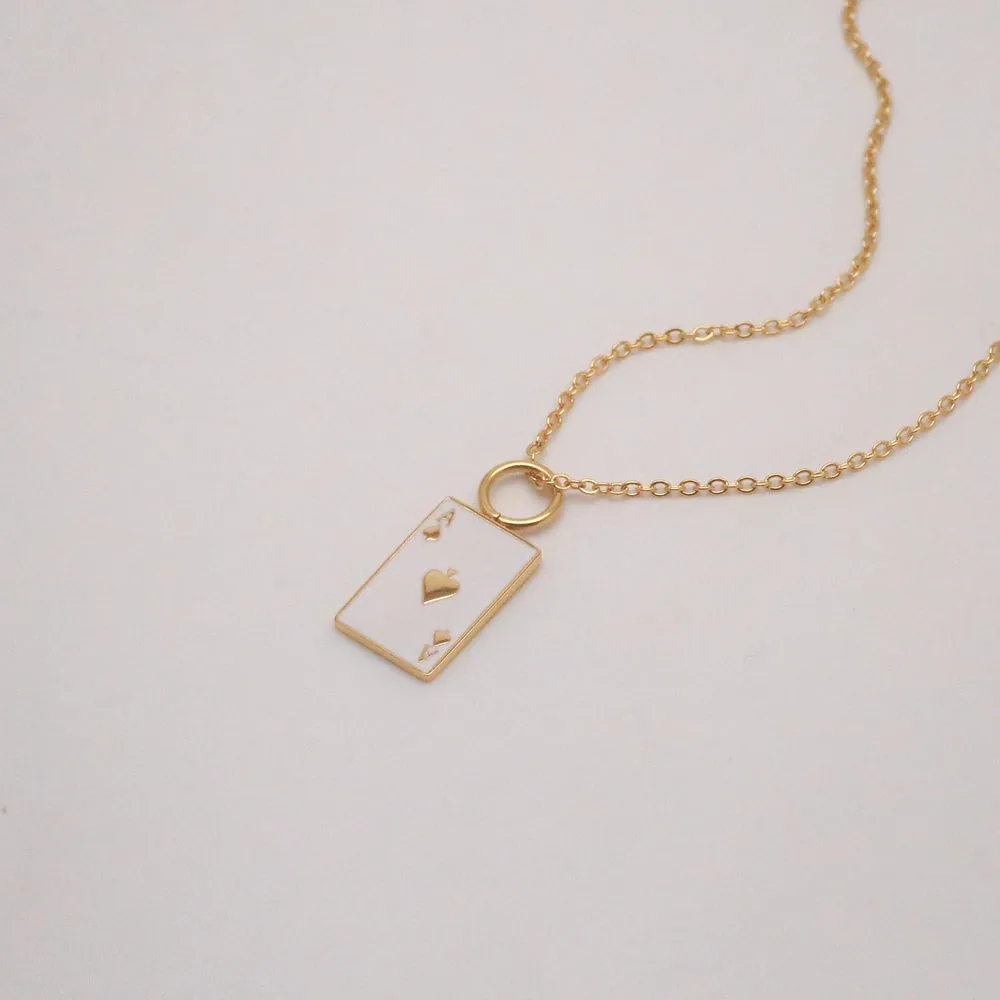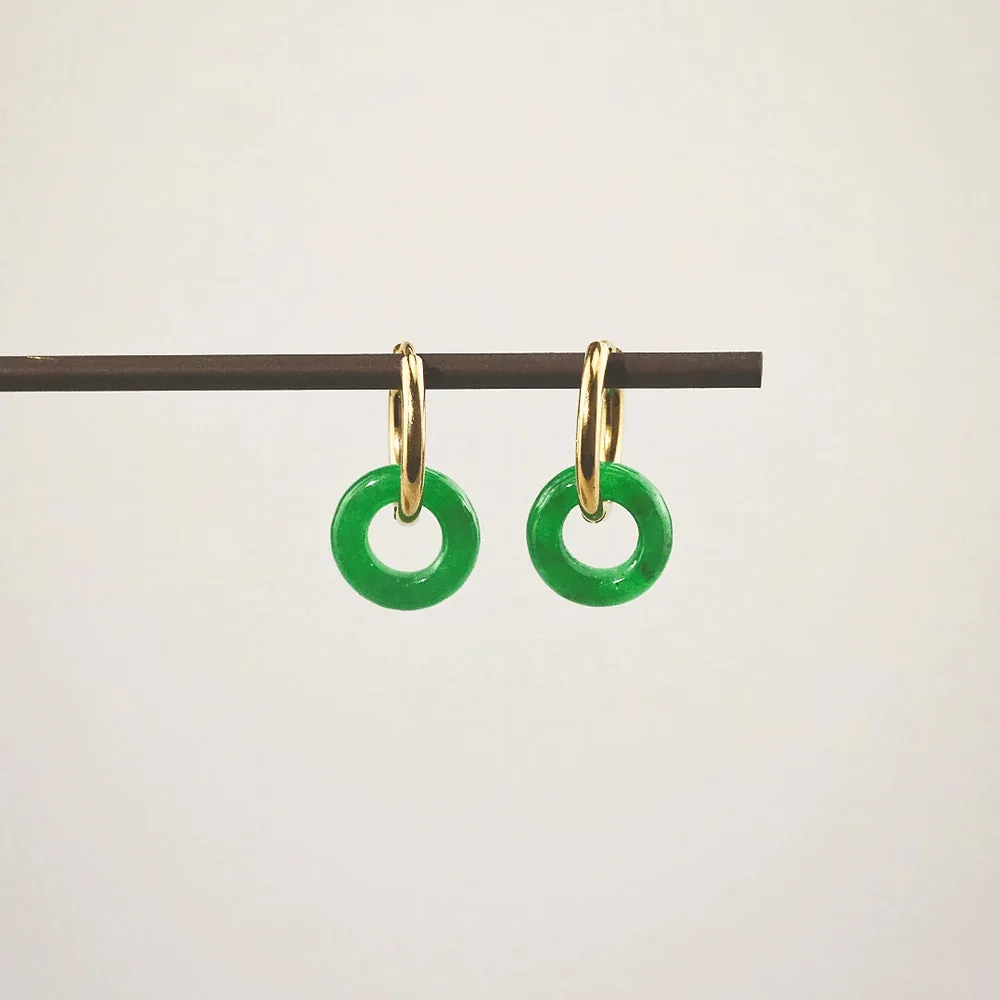
One of the first real questions a new boutique owner asks me isn't "what should I sell?" — it's "where should I sell it?" And the honest answer is that there's no single right channel; there's a right mix for where you are right now. Selling on your own website, on an online marketplace, through Instagram, from a shop or a market table, or wholesale to other stores each reaches a different buyer, gives you a different amount of control, and asks for a different amount of effort. So the real skill in figuring out where to sell jewelry for your business is matching channels to your stage — and then combining them so one feeds the next. Here's how I'd think it through.
Key takeaways
- There's no best channel — only the right mix for your stage. Start with one or two you can actually run well, prove what sells, then add channels as you grow. A thin presence everywhere beats nothing, but it loses to a strong presence in one place.
- Reach and control pull in opposite directions. Marketplaces and social hand you traffic but keep the customer relationship; your own store and your shop give you the relationship but make you earn every visit. A healthy mix uses both kinds.
- Every channel needs stock sourced on sane terms. Whatever you sell and wherever you sell it, it starts as inventory you can afford to test — buy shallow to learn, deep to reorder the winners, and keep your cash free with terms that don't punish you for stocking.
Selling online: your store, marketplaces & social
Online is where most boutiques start, because you can open a channel this week without a lease. But "online" isn't one thing — it's three, and they behave very differently.
Your own online store is the channel you control completely: your brand, your prices, your customer list, your data. The trade-off is that nobody arrives by accident — you have to earn every visit through SEO, social, email and word of mouth. It's slower to get moving, but it's the only online channel where the customer relationship truly belongs to you, which is why I tell owners to treat it as home base even if it isn't their first sale. If you're weighing where to build that home base, our Shopify vs Etsy for jewelry guide walks through the hosted-store-versus-marketplace decision without the hype.
An online marketplace flips the equation: it hands you a built-in stream of shoppers already there to buy, so you can make sales before anyone's heard your name. The cost is control — you compete on a crowded page, pay the platform's cut, follow its rules, and rarely own the customer afterward. It's a fine place to test demand and earn early cash, but building your whole business on rented land is risky, so treat it as a feeder, not a foundation.
Social and Instagram shopping sit somewhere between the two. This is where demi-fine jewelry genuinely shines — it's visual, giftable and impulse-friendly, and a good reel or a styled flat-lay can move pieces fast. You get enormous reach and discovery, but you're renting the audience from an algorithm that can change overnight, so the play is always to convert followers into email subscribers and store customers you actually own. Whichever online channels you run, describe every piece honestly: 18k gold-plated over 316L stainless steel (never "solid gold"), cubic zirconia (never "diamond"), freshwater or simulated pearls, and shell pieces like mother-of-pearl or abalone called shell — not pearl. Honest listings return fewer packages and build the trust that repeat business runs on.
Selling in person: brick-and-mortar & markets
In-person selling is having a real moment, precisely because it's the opposite of a scroll. People get to hold the piece, try it on at a mirror, and feel the weight — and for jewelry, touch closes sales that photos can't.
Brick-and-mortar — a permanent shop — gives you the deepest relationship and the highest trust, plus foot traffic you don't have to manufacture. It's also the biggest commitment: rent, fixtures, staffing and hours are real fixed costs, so it's rarely where I'd tell a brand-new owner to start. It tends to make sense once you've proven demand through lighter channels and want a home your regulars can visit.
Markets and pop-ups give you most of the in-person magic at a fraction of the risk. A booth fee and a weekend get real pieces in front of real hands, and beyond the day's sales it's the cheapest customer-research lab you'll ever rent — you watch what gets picked up, tried on and bought, then reorder the winners with confidence. It's my favorite starting point for testing a new line or a new city because you can walk away, restock, and try again. Our full guide to selling jewelry at craft fairs & markets covers the booth kit, the setup that stops foot traffic, and the email capture that turns a one-day shopper into a regular.
Selling wholesale: your product in other stores
The channel owners overlook longest is wholesale — selling your pieces to other stores so their shops, their staff and their customers do the retailing for you. Instead of chasing one shopper at a time, you land an account that reorders, and a single good stockist can move more units than a busy market month. You trade retail margin for volume and reach, and you hand off the front-of-house work to someone who already has the foot traffic.
You can approach wholesale two ways. The direct route is pitching boutiques and gift shops yourself with a clean line sheet and consistent follow-up — slower to build, but the relationships are yours and the margins are best. There are also online wholesale marketplaces — generic B2B platforms where retailers browse and place opening orders — which can put your line in front of buyers you'd never reach cold; just weigh their fees and terms the same way you would a consumer marketplace, and don't let rented reach become your only pipeline. If becoming a stockist yourself is the move — buying finished demi-fine pieces wholesale and reselling them under your own name — our wholesale-to-boutiques guide lays out the two-margin model without a factory.
Sales channels compared
Here's the whole picture side by side. Read it across the "Reach" and "Control" columns and you'll see the pattern: the channels that hand you the most reach hand you the least control, and vice versa. That's exactly why a mix beats any single bet.
| Channel | Reach | Control | Best for |
|---|---|---|---|
| Your own online store | You build it — nobody arrives by accident. | Total: brand, prices, data and customer list are yours. | Home base — owning the relationship and repeat business. |
| Online marketplace | High — built-in shoppers already there to buy. | Low: their rules, their cut, rarely your customer. | Early cash & testing demand — a feeder, not a foundation. |
| Social / Instagram shopping | Huge discovery — but rented from an algorithm. | Medium: you own content, not the audience. | Discovery & impulse-friendly, giftable pieces. |
| Brick-and-mortar | Local foot traffic you don't manufacture. | High — but tied to fixed costs and hours. | Deep trust & a home for regulars, once demand is proven. |
| Markets / pop-ups | Event crowd — you go where buyers gather. | High for a day, low risk — walk away and restock. | Testing lines & cities, capturing emails, low-risk starts. |
| Wholesale to other stores | Leverage — their stores retail for you. | You set terms; they own their customer. | Volume & reach — reordering accounts, not one-off sales. |
No row is "the best." The store you'd build depends entirely on which reach-and-control trade-offs fit your stage, your cash and your energy right now.
Which to start with — and how to combine them
My rule is simple: start with one or two channels you can actually run well. A thin presence spread across five platforms loses to a strong presence in one. For most new owners I'd start with the lowest-risk pairing — a market table or pop-up to test what sells in person, plus a simple online store or an Instagram shop as the place people go after they meet you. That combination lets you prove demand cheaply while quietly building the audience you'll own.
Then add channels as you grow, and wire them together so each one feeds the next. This is the real point of an omnichannel mix: a market shopper scans a QR code and joins your email list; that email brings them to your online store; a strong Instagram post sends new followers to the same store; and once you've proven what moves, you either open a shop for your regulars or pitch other boutiques to stock your line wholesale. Every channel becomes a doorway into the one relationship you truly own — your customer list. The through-line under all of it is inventory: whatever channel you're feeding, it's stock you had to buy, so buy in a way that lets you test cheaply and reorder the proven winners deep. That's the whole engine, and it's the subject of our pillar, how to run a jewelry boutique. When you're ready to fill a channel, you can browse the full wholesale line across rings, necklaces, earrings and bracelets and start with a curated, honest spread.
More wholesale guides
Choosing where to sell is one piece of running a boutique — here's the rest of the stockist series:
- How to Run a Jewelry Boutique — the pillar: buying, margins, terms and day-to-day operations.
- Shopify vs Etsy for Jewelry — where to build your online home base, weighed honestly.
- Selling Jewelry at Craft Fairs & Markets — the in-person starter channel, booth to follow-up.
- How to Sell Your Jewelry Wholesale to Boutiques — become a stockist and resell without a factory.
- Browse the full wholesale line to stock any channel.
Where to sell your jewelry FAQ
There's no single best place — there's a right mix for your stage. Online (your own store, an online marketplace, social/Instagram shopping), in-person (a shop or markets and pop-ups) and wholesale to other stores each reach a different buyer and give you a different amount of control. Start with one or two you can run well, prove what sells, then add channels and combine them.
For most new owners, start with the lowest-risk pairing: a market table or pop-up to test what sells in person, plus a simple online store or Instagram shop as the place people go after they meet you. A permanent brick-and-mortar shop is usually a later move, once you've proven demand through lighter, cheaper channels.
Your own store gives you total control — brand, prices, data and the customer list are yours — but nobody arrives by accident, so you earn every visit. A marketplace hands you built-in shoppers and early sales, but you follow its rules, pay its cut and rarely own the customer. Treat a marketplace as a feeder and your own store as home base.
It can be the highest-leverage channel: instead of chasing one shopper at a time, you land accounts that reorder, and other stores do the retailing for you. You trade retail margin for volume and reach. Approach it directly with a line sheet, or through generic online wholesale marketplaces — but don't let rented reach become your only pipeline.
Wire the channels together so each feeds the next: a market shopper joins your email list, that email brings them to your online store, a strong Instagram post sends new followers there too, and proven demand lets you open a shop or pitch boutiques to stock you wholesale. Every channel becomes a doorway into the one thing you own — your customer list.
Couture's Corner sets a $100 minimum order with NET-60 terms at 0% interest, and your first order ships with free returns. There's no per-style minimum, so you can buy a curated spread to test a channel, see what sells, and reorder the winners deep — stocking any channel at low risk before you commit.
Open a Couture's Corner wholesale account
Stock any channel — store, booth or shop — with pieces you can test cheaply and reorder deep. See how it fits the bigger picture in how to run a jewelry boutique, or browse the full wholesale line — all 18k gold-plated over 316L stainless steel, honestly described. $100 minimum · NET-60 terms · first order ships with free returns.
Open a wholesale account →