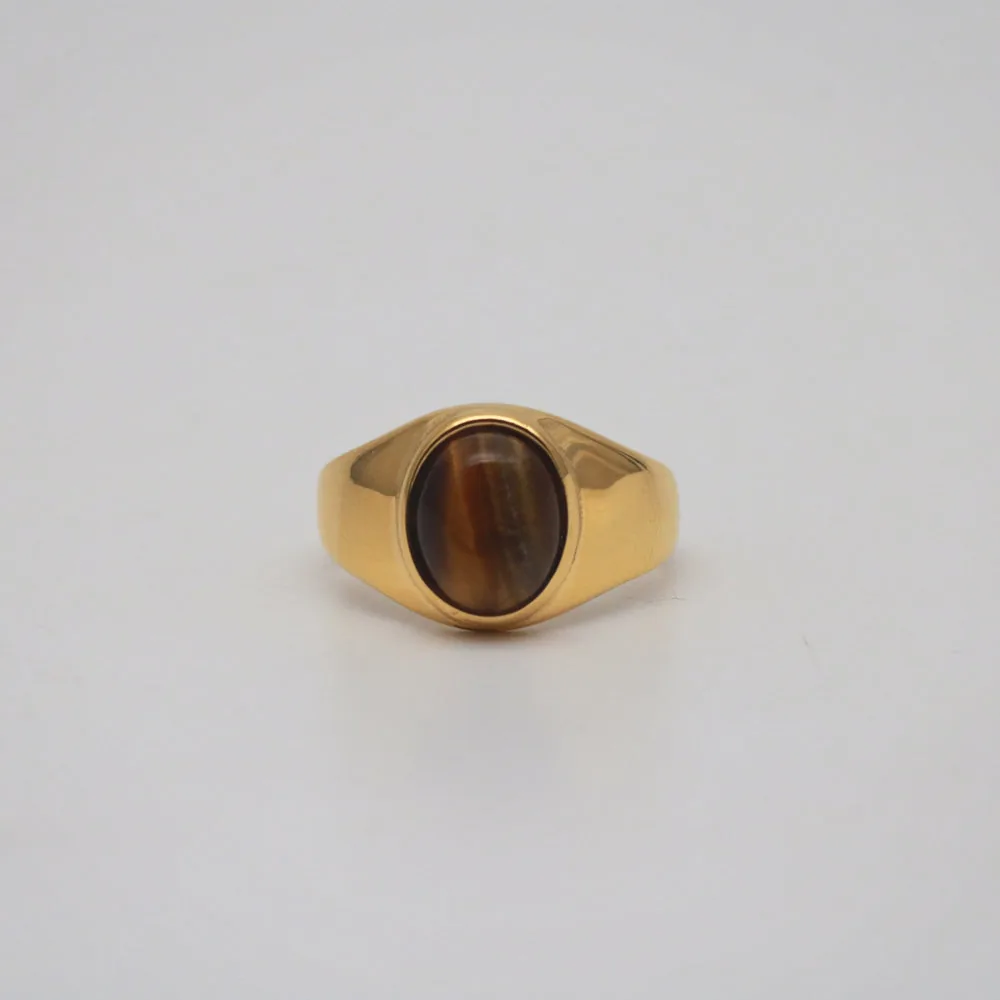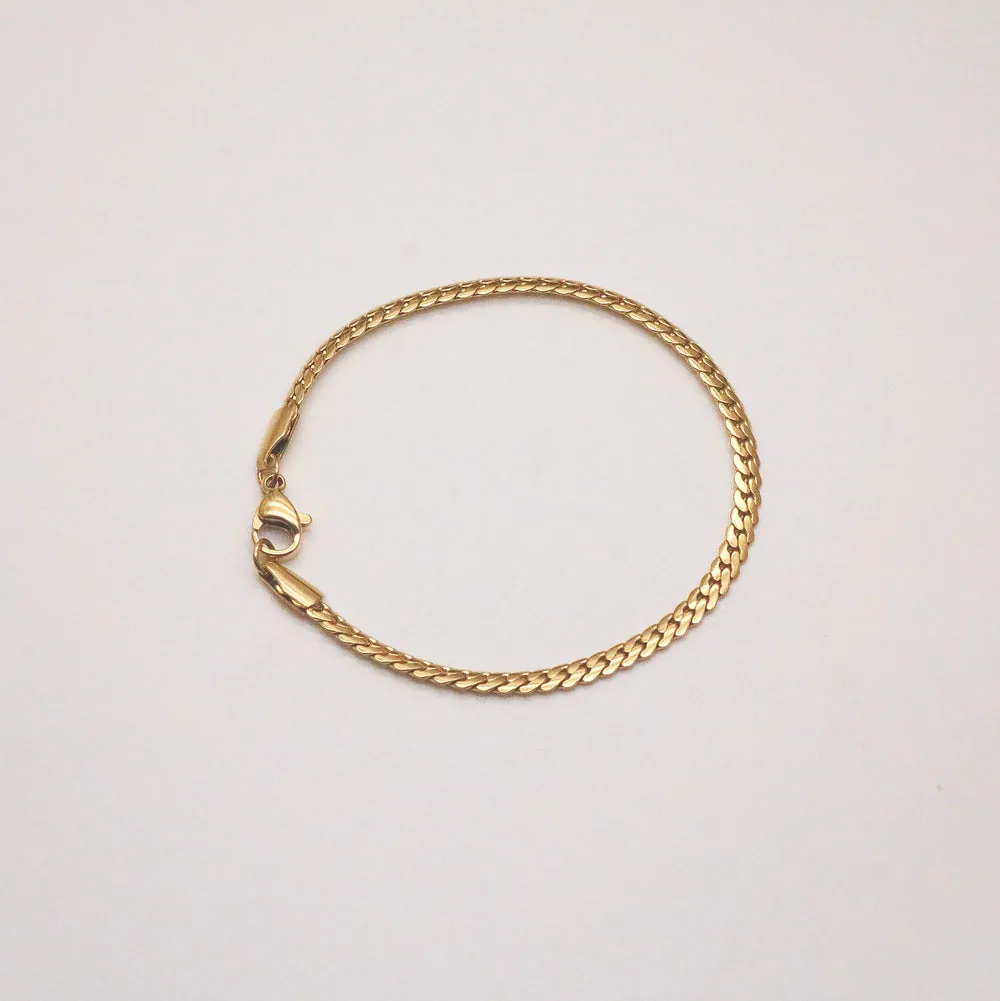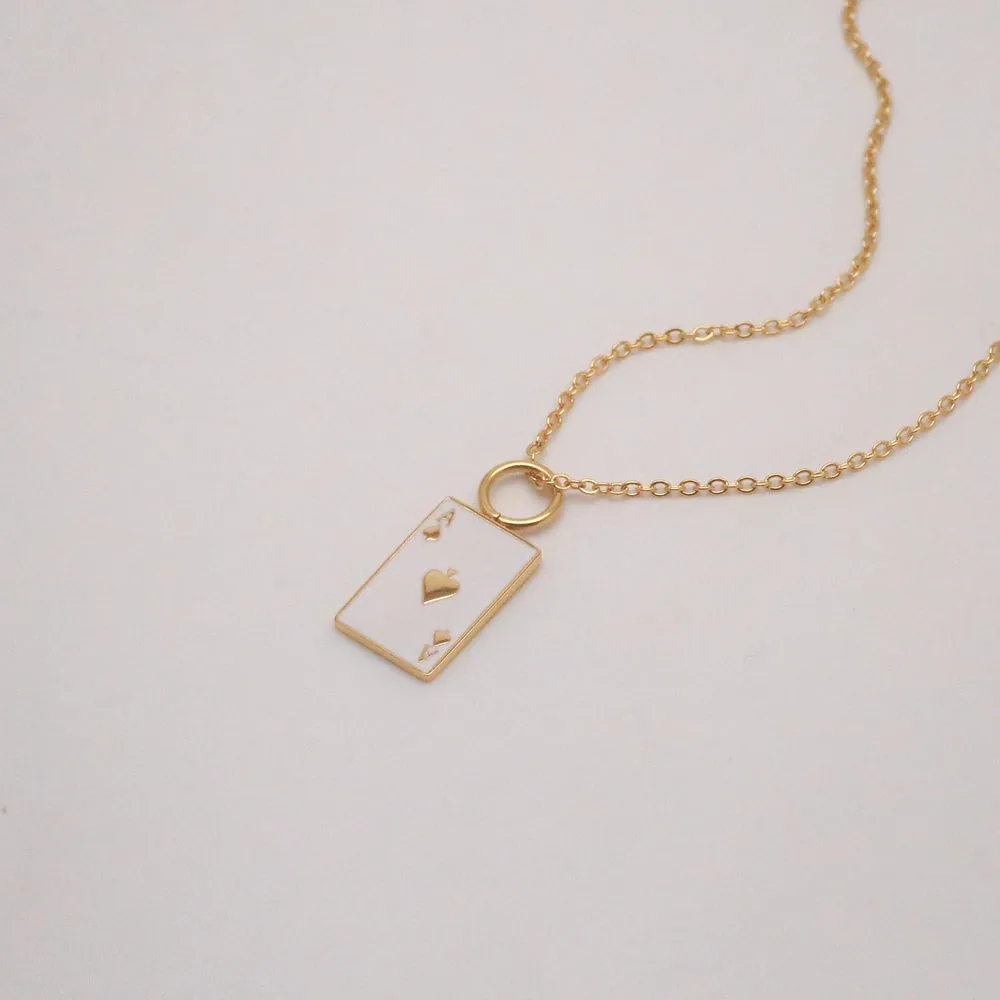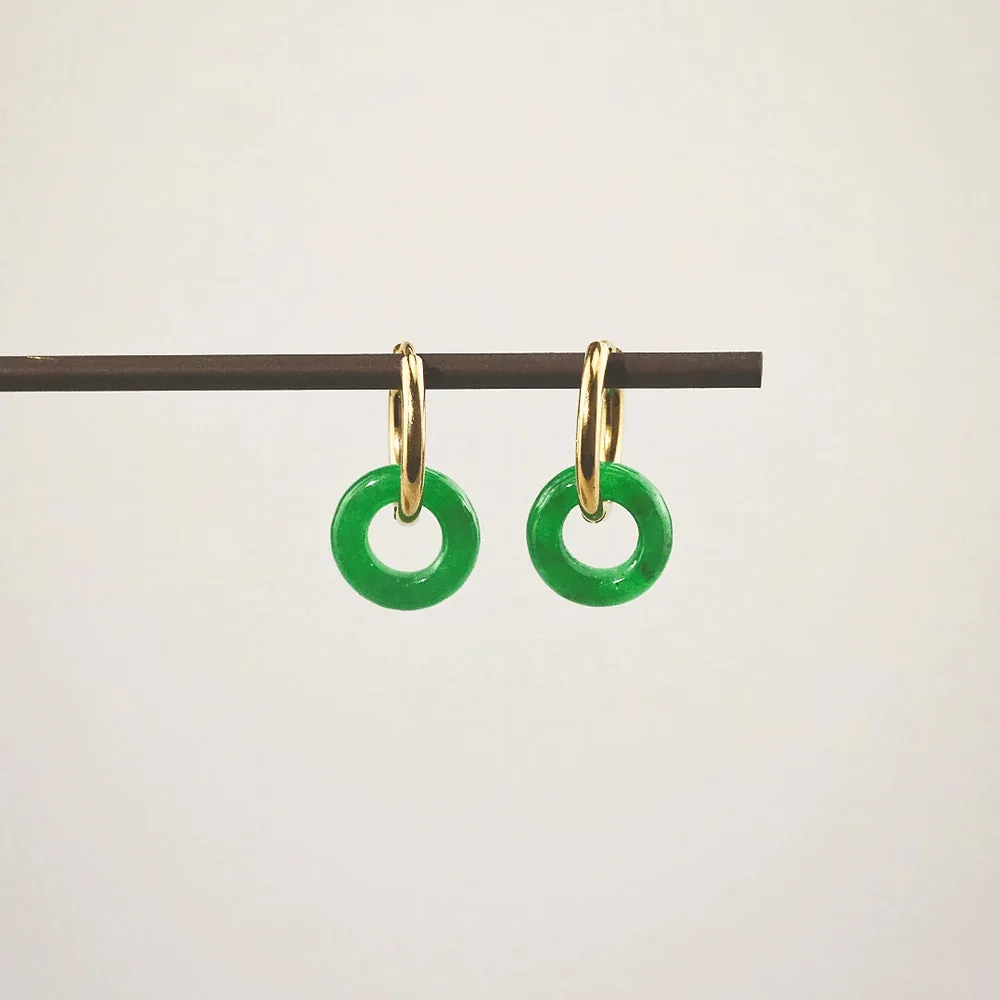
A market weekend is the cheapest, fastest customer-research lab you'll ever rent. Before you commit money to stocking a category deep, a craft fair or pop-up lets you put real pieces in front of real hands and watch what people pick up, try on, and buy — in a single afternoon. That's the reframe I want you to carry through: how to sell jewelry at craft fairs isn't only about the sales you ring up that day, it's about learning which pieces sell so you can reorder the winners with confidence. This walks you through choosing the right events, the booth kit to pack, setting up a table that stops foot traffic, what to stock, capturing emails, and the follow-up that turns a one-day shopper into a repeat customer.
Key takeaways
- Markets are a test, not just a sale. Treat every event as low-risk research — watch what gets picked up and bought, then reorder the proven winners deep instead of guessing.
- Your booth has three seconds to stop someone. Height, a lit hero piece at eye level, a mirror, and visible prices do more for your day than any discount — a shopper who can't see the price walks past.
- The follow-up is where the money is. Capture emails at the table and send one warm note within a few days; a market's real payoff is the repeat customer, not the cash box.
Choose the right events
Not every market is your market, and the wrong one costs you a Saturday and a booth fee for nothing. Before you apply, ask the organizer three plain questions: what's the expected foot traffic, how many other jewelry vendors are accepted, and who actually shops here. A juried art fair, a holiday gift market and a farmers' market draw completely different wallets — you want the crowd that's there to buy gifts and accessories, not the one there for produce. Cap your risk on the first outing: a lower fee at a smaller, well-run event teaches you as much as a marquee show, without the stakes.
On fees, do the math honestly. Booth costs vary widely by city and season, so ask for the exact number and check current rates rather than trusting a figure you read once — then set a private break-even (fee plus your cost of goods) so you know what "a good day" means before you arrive. Read the vendor terms too: table-size limits, whether tents are required, and the electricity situation, because it changes your whole kit. The best events fill early and repeat, so once one performs, get on the organizer's list for the next round.
Your craft-fair booth kit
The difference between a table people walk past and a booth that pulls them in is mostly the kit — and none of it is expensive. Here's what I'd pack for every market, why it earns its space, and one field-tested tip for each.
| Item | Why you need it | Tip |
|---|---|---|
| Displays & tiers | A flat table reads as a yard sale. Risers, busts and tiered stands add the height and levels that make a booth look like a shop. | Build up, not out. Put your hero piece on the tallest riser at eye level and let the table breathe — negative space signals value. |
| Lighting | Indoor halls and tent shade kill sparkle. A little directional light makes CZ throw fire and 18k-plated gold read rich, not dull. | Pack battery LED puck or clip spots aimed into the pieces — you can't count on an outlet, so confirm power in advance. |
| Mirror | Jewelry sells on the body. A shopper who sees earrings or a necklace on is far likelier to buy than one holding it in a palm. | A stable countertop mirror they can angle themselves — place it beside your try-on pieces, not tucked off to the side. |
| Signage & prices | A shopper who can't see a price often won't ask — they just move on. Visible pricing and honest little tags remove the friction. | Price everything clearly and tag it honestly: "18k gold-plated over stainless steel · cubic zirconia · nickel-safe." |
| Payment / POS | Most market shoppers pay by card or phone. No reader means lost sales you'll never see — and a working reader speeds the line. | Bring a charged tap-and-chip reader, a backup battery, and a small float of cash for change; know the current per-swipe fee. |
| Bags & packaging | Packaging is your brand leaving the booth. A little pouch or box turns a $20 impulse buy into something that feels like a gift. | Tuck a business card and a care card into every bag so the piece — and how to find you again — goes home with them. |
| Email capture | The day's real asset is the list. An email lets you follow up, restock requests, and bring one-day shoppers back for years. | A clipboard sign-up or a QR code to a signup page, framed as "new arrivals & where we'll pop up next" — give a reason to join. |
Everything on that list packs into a couple of tote bins and lives in your car for the season. Build it once; after that, every market is just show up, set up, and sell.
Set up a booth that stops foot traffic
You have about three seconds as someone drifts by, and winning them is almost entirely about height and eye level. A booth where everything lies flat is invisible from the aisle; the same pieces staged on risers and busts, with one lit hero at standing eye level, catch the eye from across the walkway. Build a little skyline — tall in the back, stepping down to the front — so there's always something at eye height wherever a shopper stands.
Then make it effortless to shop. Prices must be visible on or beside every piece — a shopper who has to ask "how much?" often just keeps walking, and clear pricing quietly pre-qualifies buyers so you spend your time closing, not quoting. Group the table by look, the way you'd zone a case: an impulse tray of your lowest-ticket pieces at the front edge, your everyday core in the lit center, the one showpiece up top. Keep a mirror within reach of your try-on pieces, stand rather than sit behind the table, and leave real negative space — a curated, well-lit edit out-sells a crammed table every time. The same logic that makes a shop case convert makes a booth convert; our display & merchandise jewelry guide goes deep on the case version.
What to stock — and let the market tell you
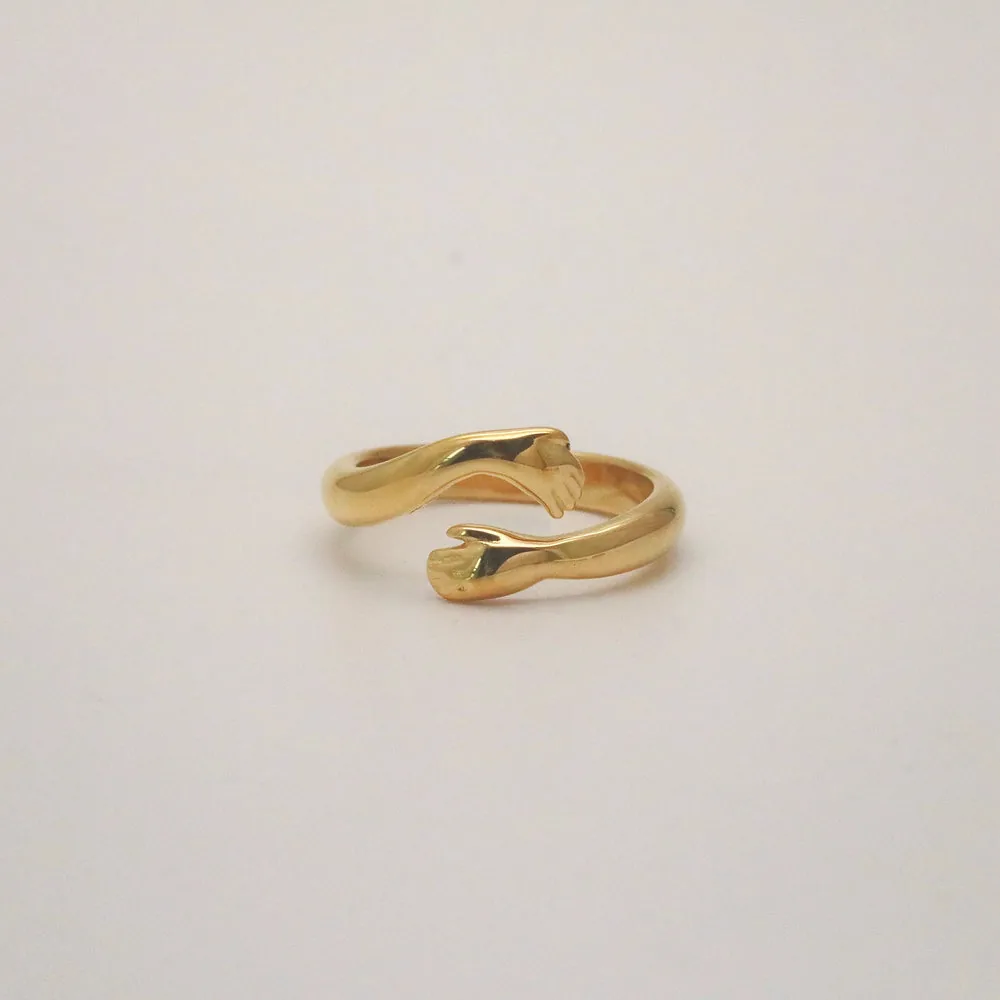
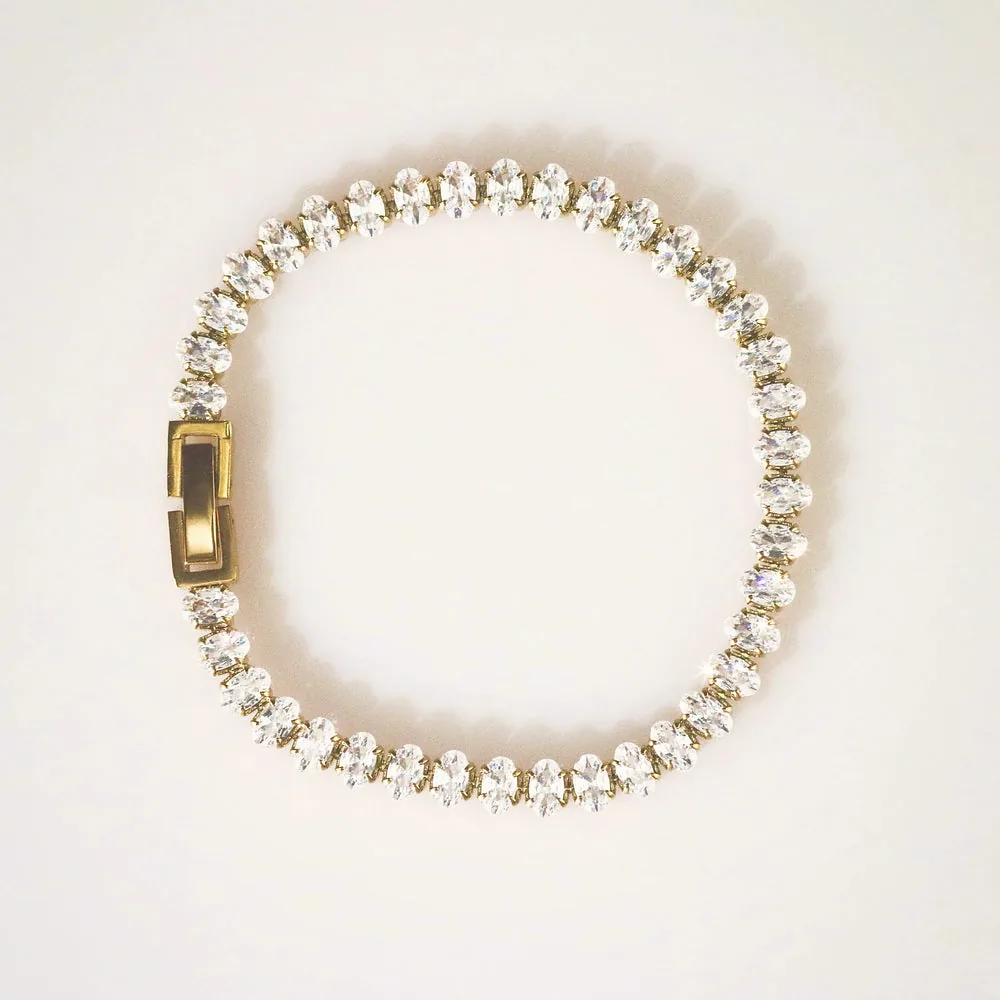
Markets reward giftable, grab-and-go price points. The pieces that fly off a table are the easy yeses — studs and huggie hoops, a dainty layering necklace, a simple stacking ring or a CZ tennis bracelet — things a shopper decides on in a moment and hands over as a gift without overthinking. Bring a clear ladder: a deep tray of impulse pieces for the "just one more" add-on, a solid middle of everyday core, and a few higher-ticket showpieces that make the booth look elevated even if they sell rarely. Stock proven bestsellers deep and treat anything new as a small, deliberate test.
Here's the part that pays off long after the weekend: watch the table like data. Note what gets picked up but not bought, what sells out by noon, what every third person asks "do you have this in silver?" about. A market is a low-risk way to test demand before you stock a category deep — and because our terms carry no per-style minimum, you can bring a curated spread, see what wins, then reorder the winners on real evidence instead of a hunch. That test-then-reorder loop is why low-minimum sourcing matters for market sellers; our no / low-minimum wholesale guide covers buying shallow to test and deep to win, and our seasonal buying guide maps what to bring to holiday vs. summer events. Everything described honestly: cubic zirconia (never "diamond"), 18k gold-plated over 316L stainless steel (never "solid gold"), freshwater or simulated pearls, and shell pieces like mother-of-pearl or abalone called shell, not pearl.
Capture emails & follow up after
The cash box is the smallest prize of the day. The biggest is the list of people who now know you exist, and capturing it at the booth is what separates hobby vendors from boutique owners. Put a sign-up front and center — a clipboard, or a QR code to a signup page — and give a real reason to join: "first look at new arrivals and where we'll pop up next." Offer it at checkout to every buyer and to browsers who lingered but didn't buy. Most people say yes if you simply ask.
Then actually follow up within a few days, while the booth is still fresh. One warm, human note — thank them for stopping by, show a couple of pieces they may have eyed, tell them where you'll be next and how to shop between markets — does more than any discount. This is the whole reason the list exists: a market is a one-day event, but a boutique is a relationship, and the follow-up converts the former into the latter. Our retention guide is the playbook for turning a first-time market shopper into a regular, and it all rolls up into running the business — the full picture lives in our pillar, how to run a jewelry boutique. Do the follow-up and a market stops being a Saturday of sales and becomes a customer-acquisition channel that pays you for years.
More wholesale guides
Selling in person is one piece of running a boutique — here's the rest of the stockist series:
- How to Run a Jewelry Boutique — the pillar: buying, margins, terms and day-to-day operations.
- How to Display & Merchandise Jewelry — the case-and-booth staging that stops traffic and lifts the basket.
- Seasonal Jewelry Buying Guide — what to bring to holiday vs. summer markets.
- Turn One-Time Buyers Into Repeat Customers — the follow-up playbook for your market list.
- Wholesale Jewelry With No / Low Minimum — buy shallow to test, deep to reorder the winners.
- Browse the full wholesale line to fill your booth.
Selling jewelry at markets FAQ
Ask the organizer three things before you apply: expected foot traffic, how many other jewelry vendors are accepted, and who actually shops the event. You want a gift-and-accessory crowd, not a produce crowd. Start smaller and cheaper on your first outing to cap your risk while you learn what sells.
Displays and tiers for height, battery lighting, a mirror, visible prices and honest tags, a charged card reader plus a little cash for change, branded bags and packaging, and an email sign-up. It all packs into a couple of bins and lives in your car for the season.
Giftable, grab-and-go pieces at easy price points — studs and huggie hoops, dainty layering necklaces, simple stacking rings, a CZ tennis bracelet. Bring a clear ladder from impulse buys to a few elevated showpieces, stock proven bestsellers deep, and let the table tell you what to reorder.
Build height. A flat table is invisible from the aisle, so stage pieces on risers and busts with one lit hero at standing eye level. Make prices visible on every piece, keep a mirror within reach, group the table by look, stand rather than sit, and leave negative space — a curated, well-lit edit out-sells a crammed table.
Put a sign-up front and center — a clipboard or a QR code — and give a reason to join, like first look at new arrivals and where you'll pop up next. Offer it to every buyer and to browsers who lingered. Then send one warm note within a few days: thanks for stopping by, a couple of pieces they eyed, and where to find you next.
Couture's Corner sets a $100 minimum order with NET-60 terms at 0% interest, and your first order ships with free returns. There's no per-style minimum, so you can bring a curated spread to a market, watch what sells, and reorder the winners deep — testing demand at low risk before you commit to a category.
Open a Couture's Corner wholesale account
Stock a booth that tests what sells, then reorder the winners. Browse the full wholesale line or buy shallow-to-test with our no / low-minimum line — all 18k gold-plated over 316L stainless steel, honestly described. $100 minimum · NET-60 terms · first order ships with free returns.
Open a wholesale account →