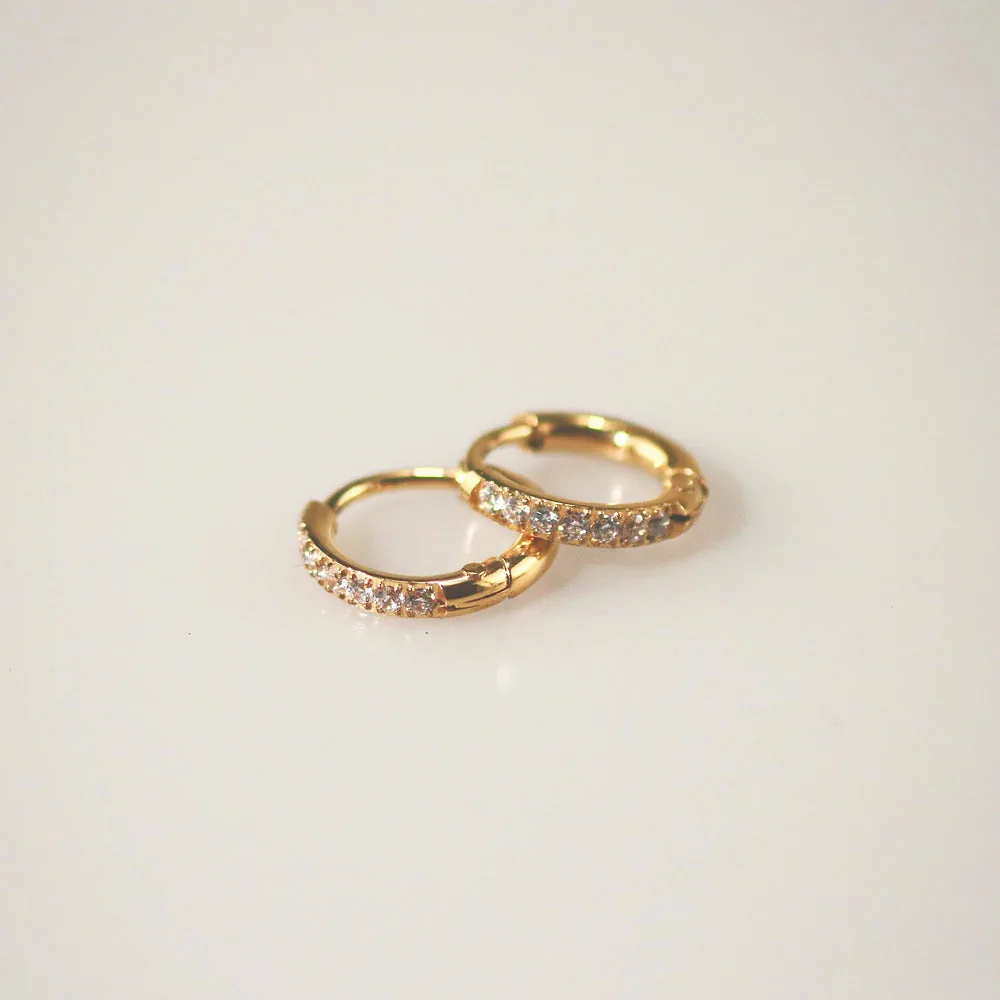
The honest answer to "how much does it cost to start a jewelry business" is: it depends — but the wide, scary numbers you find online usually assume the wrong kind of store. Most of them are budgeting for a fine-jewelry shop buying solid gold and loose diamonds, or a maker buying tools and findings. If you're curating and reselling demi-fine pieces — the model I'll assume all through this guide — your budget looks completely different, and mostly smaller. What follows is a no-fluff, line-item breakdown of where the money actually goes, three realistic scenarios to plan against, and why inventory is the one line that decides everything.
Key takeaways
- Budget in buckets, not one big number. Inventory, fixtures, packaging, website/POS, marketing, licenses and a cash cushion each need their own line — and inventory is the biggest by far.
- Inventory decides your total cost. Stocking demi-fine 18k-plated 316L, CZ and pearls lets you fill a whole case for a fraction of what gold-and-diamond inventory would tie up.
- Low- or no-minimum wholesale keeps the entry price down. You can validate an assortment with a small opening buy instead of betting your whole startup fund on stock that may not sell.
Why "how much does it cost" is the wrong first question
When someone asks me what it costs to open a jewelry boutique, I ask two questions back: what are you selling, and where? Those move the total more than anything else. A fine-jewelry store carrying solid gold and real diamonds needs deep capital just for a starter case — a single tray can cost more than an entire demi-fine opening order. A jewelry maker is buying benches, tools and raw metal before a single piece exists to sell. Neither is what most people picture when they imagine a boutique.
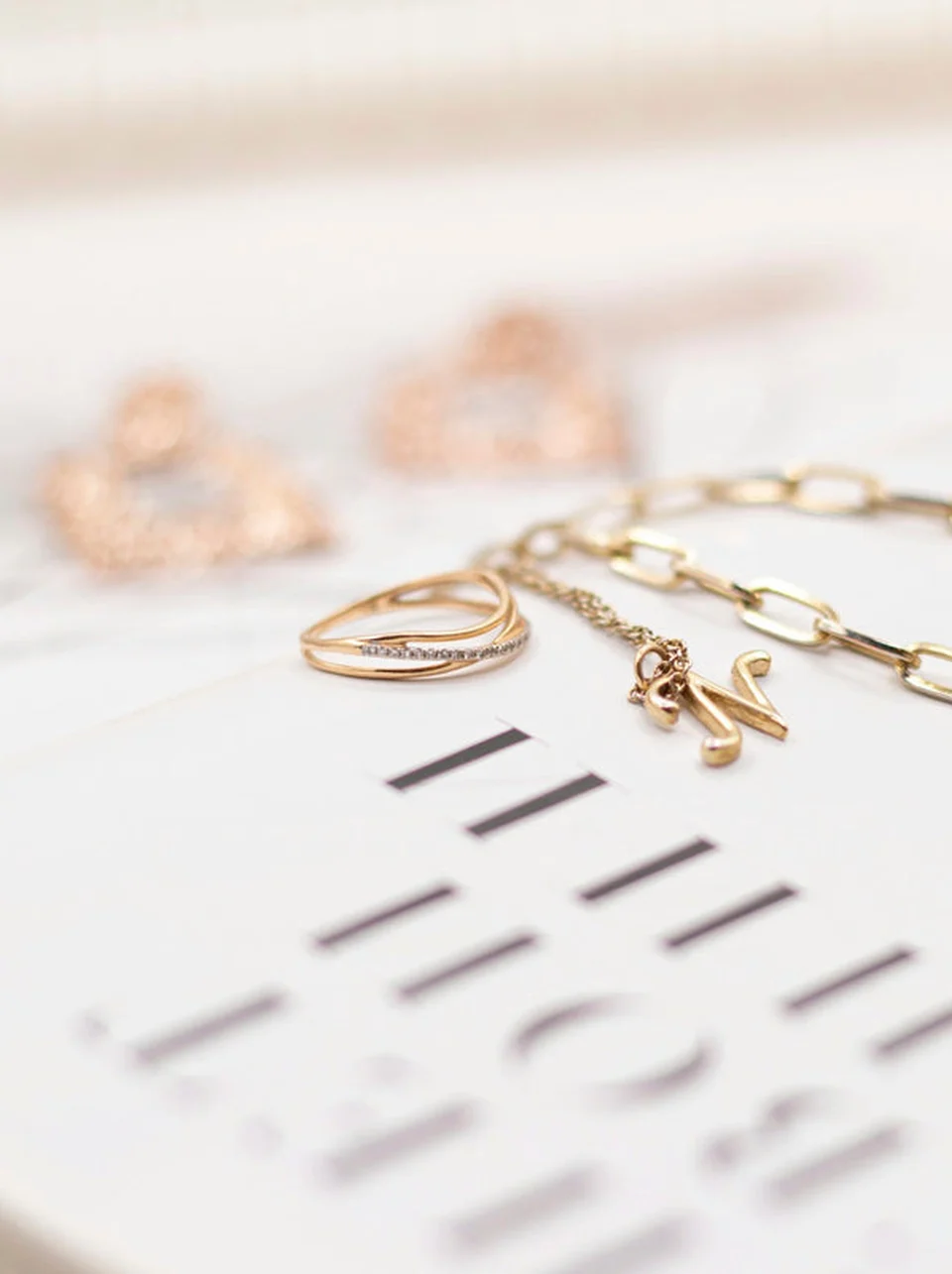
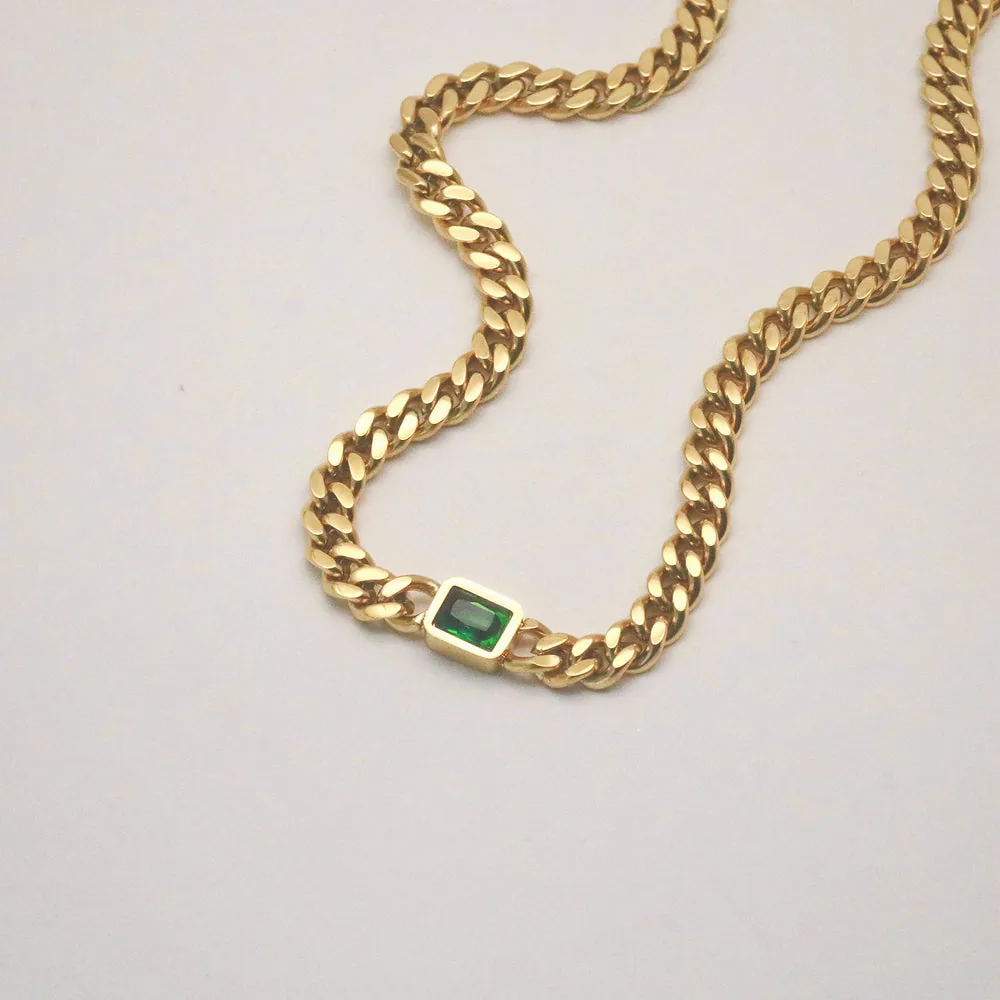
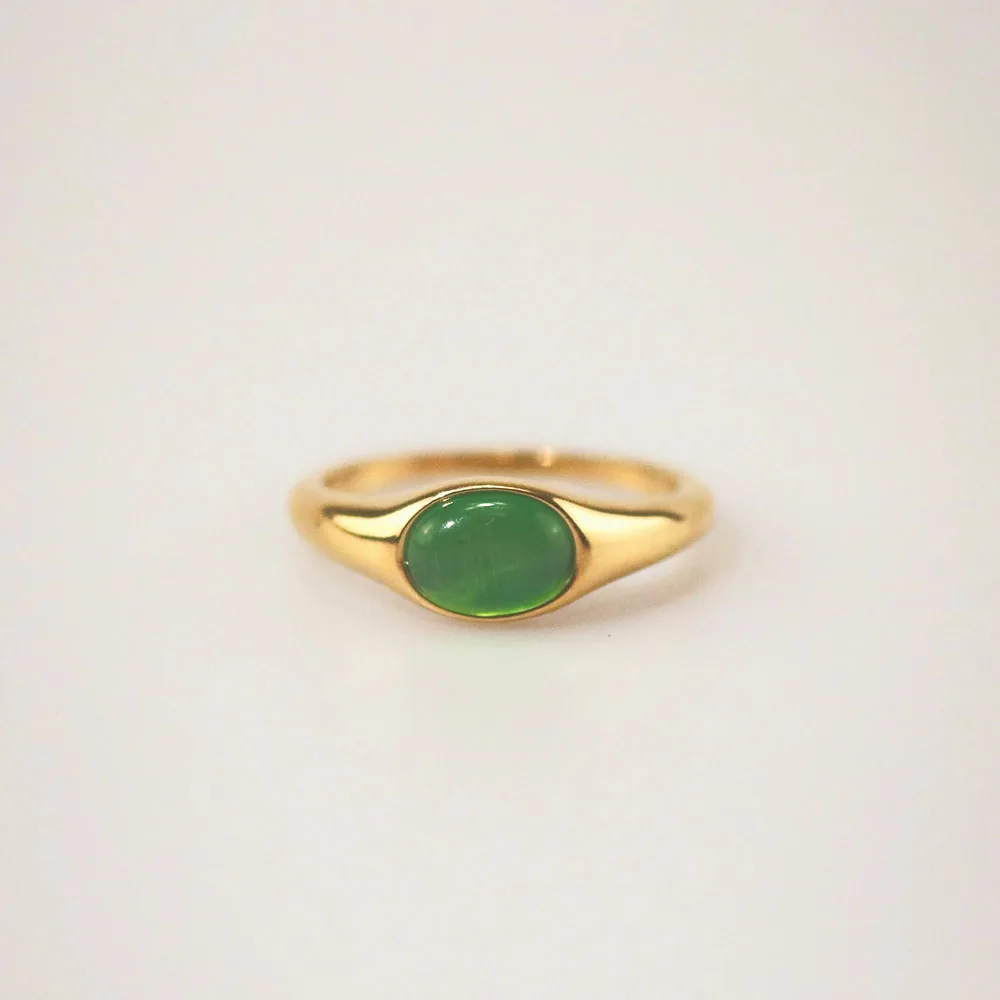
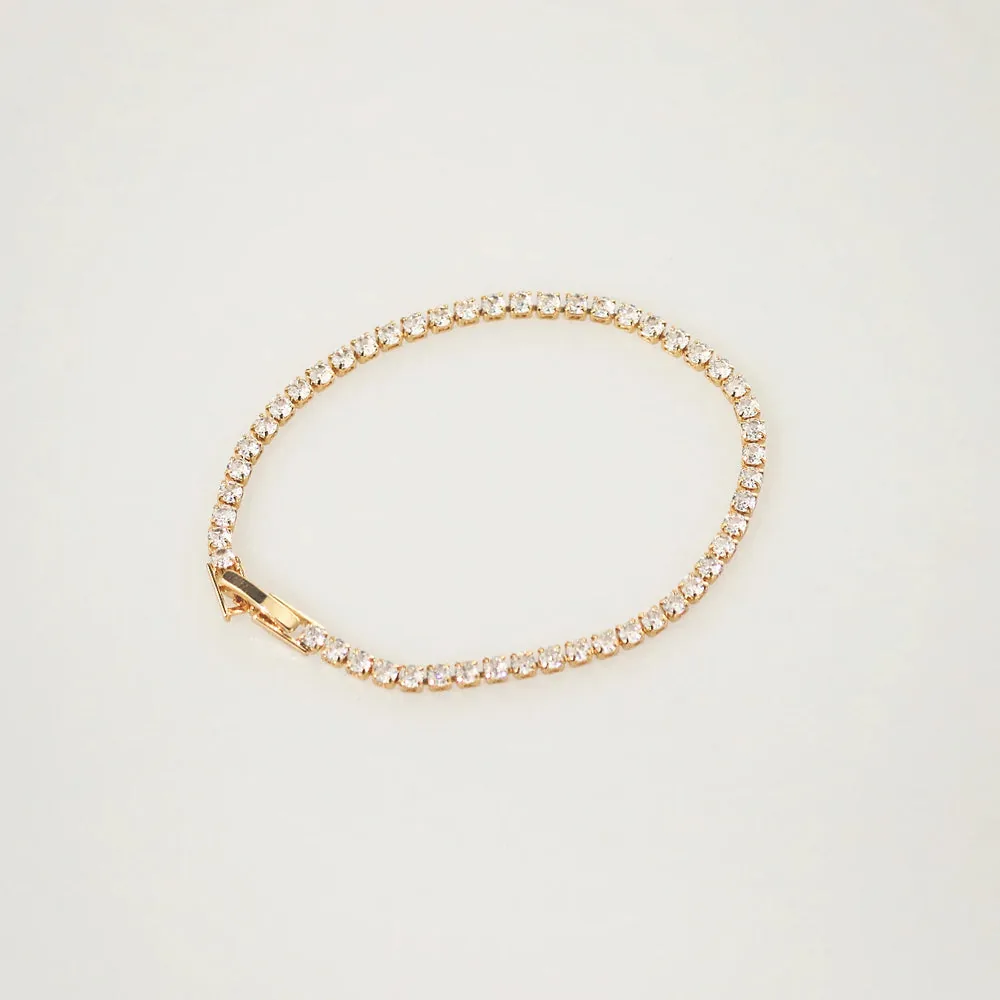
The model I'm walking through is the curate-and-resell demi-fine boutique: you buy finished pieces at wholesale, mark them up, and sell them under your own name. It's the lowest-capital way into jewelry retail that still feels like a real store, because you're not funding raw materials, a workshop, or a vault of precious metal. Our pieces are 18k-gold-plated over 316L stainless steel — plated, not solid gold — with cubic zirconia simulants rather than diamonds and freshwater or simulated pearls. That honest positioning is also what keeps your inventory line affordable, which is exactly why it drives the whole budget. This post sits under our pillar on how to run a jewelry boutique.
The startup budget, bucket by bucket
The single most useful thing you can do before spending a dollar is split your starting cash into buckets. New owners fail here constantly — they pour everything into inventory, then have nothing left for a display case, a website, or a slow first month. Below is how I'd allocate it for a demi-fine boutique. Every figure is an illustrative range, not a researched statistic: real numbers swing with your city, your channel, and how lean you shop, so treat these as planning anchors, not promises.
| Budget line | What it covers | Roughly how much (illustrative range) |
|---|---|---|
| Opening inventory (the biggest line) | Your opening assortment — earrings, necklaces, rings, bracelets and a few gift sets to fill a case or online catalog. | A realistic range is roughly a few hundred dollars to test small, up into the low thousands for a fuller case. |
| Fixtures & displays | Trays, busts, risers, a mirror, and — if you're in person — a display case, table, or booth kit. | Often low hundreds online or at markets; more if you're outfitting a physical case or storefront. |
| Packaging & branding | Boxes, pouches, cards, a logo, tags, tissue — the unboxing that makes a plated piece feel giftable. | Commonly a modest few hundred to start, scaling with order quantities. |
| Website / POS | An e-commerce platform or a point-of-sale system, domain, and card processing to actually take money. | Typically a monthly subscription plus per-sale card fees rather than a big lump sum. |
| Marketing launch | Launch photos, a little paid social, sample gifting, or a market booth fee to get your first customers. | Highly flexible — many owners start with a small few-hundred-dollar test and scale what works. |
| Licenses & insurance | Business registration, a resale certificate, and basic liability or product insurance. | Varies widely by state and locality; budget for fees plus an insurance premium and confirm specifics locally. |
| Cash cushion | A reserve for reorders, slow weeks, and the surprise expense every new store hits. | Aim to hold back a meaningful slice of your total — the line most owners wish they'd protected. |
Two honesty notes on that table. First, the licenses-and-insurance line genuinely varies by where you register and how you collect sales tax — this is general information, not legal or tax advice, so confirm the details with your state's department of revenue or an accountant. Second, notice how the whole budget bends around the top row. Get inventory right and the rest is manageable; get it wrong and no amount of pretty packaging saves you.
Inventory: the line that decides your total
Inventory is almost always the single biggest number in a jewelry startup, and it's the one where the type of jewelry you sell changes everything — the whole reason the demi-fine, curate-and-resell model is so much cheaper to enter. If you're stocking solid gold and diamonds, even a thin opening case ties up serious capital, because the metal and stones carry the cost and one tray can eat a budget that would fill an entire demi-fine boutique. You also hold all that value in physical risk.
Stocking 18k-gold-plated 316L stainless steel, cubic zirconia and pearls flips that math. The pieces photograph and wear like fine jewelry — the steel core resists corrosion from showers and sweat, and it's nickel-safe against the skin — but each unit costs a small fraction of solid gold, so the same money buys a far wider, deeper case. Here's the discipline that separates boutiques that reorder from boutiques that get stuck: buy your core deep and your statement pieces shallow. Load up on the everyday earrings, dainty necklaces and stacker rings that turn over fast, and let a couple of statement pieces per category add character without swallowing the budget.
The other lever is the minimum order. When your supplier lets you start small, you can validate what your real customers actually buy before committing serious cash — instead of guessing at a big opening order and hoping. Our guide to wholesale jewelry with no or low minimum shows how a modest starting order lets you test an assortment, and how to price wholesale jewelry covers the keystone math that turns that inventory line into margin. If you'd rather widen an online range without holding stock at all, jewelry dropshipping & low-minimum sourcing covers when that fits.
Three realistic startup scenarios
Because "it depends" isn't a plan, here are three shapes a demi-fine launch usually takes — illustrative pictures of where the money goes, not price quotes.
1. Home / online-first. The leanest entry. You sell through an e-commerce or social shop, ship from home, and skip a physical case entirely. Your budget concentrates on a small opening buy, decent packaging, a website subscription with card fees, and a modest marketing test. A realistic range here is genuinely low — often a few hundred to a couple of thousand dollars — because there's no storefront, and low-minimum wholesale keeps inventory small while you learn what sells. This is where I steer almost every first-timer.
2. Small market / pop-up. You add an in-person presence — a market stall, a craft fair, a pop-up corner — on top of (or instead of) online. Now you're funding a portable display kit, a booth or table fee, a card reader, and a bit more inventory depth so your table doesn't look bare. Expect the total to land somewhat above the online-first range, mostly from displays and deeper stock. The upside is real: customers try pieces on, and you learn your bestsellers fast.
3. First small brick-and-mortar. A physical shop is the biggest jump, and most of the increase has nothing to do with jewelry — it's rent, a deposit, a display case, fit-out, signage, utilities and insurance. Inventory grows too, because empty shelves read as "closing sale." A realistic range steps up materially from the pop-up. My honest advice: earn your way here after online or markets prove your concept, so you sign a lease knowing what sells. Across all three, the demi-fine advantage holds — your inventory dollars stretch further, so you can put a fuller, more tempting assortment in front of customers at every stage.
More wholesale guides
If you're mapping out the money and the moves, these go deeper on the decisions that matter most:
- How to Run a Jewelry Boutique — the pillar guide to operating a boutique day to day.
- How to Start a Jewelry Boutique — concept, legal steps, sourcing and a first assortment, in order.
- Wholesale Jewelry With No / Low Minimum — test an assortment without over-committing your cash.
- How to Price Wholesale Jewelry — keystone math for healthy, defensible margins.
- Jewelry Dropshipping & Low-Minimum Sourcing — widen your range without holding stock.
Cost to start a jewelry boutique FAQ
There's no single figure — it depends on what you sell and where. For a curate-and-resell demi-fine boutique, budget in buckets (inventory, fixtures, packaging, website or POS, marketing, licenses, cushion) rather than chase one number. Online-first is the leanest path, and low-minimum wholesale keeps the biggest line — inventory — small while you learn what sells.
Enough to look intentional, not empty — you don't need to fill a full case on day one. Buy your everyday core deep (studs, hoops, dainty necklaces, stacker rings) and your statement pieces shallow. Demi-fine plated-steel pieces and a low minimum let you build a wide-looking assortment for a fraction of what gold-and-diamond stock would cost.
Online-first, from home, with a small opening order of demi-fine wholesale. You skip rent, a display case and a big inventory bet, so your startup range stays at the low end. Once your concept proves out online or at markets, you can step up to a pop-up or a physical shop knowing what actually sells.
Our minimum order is $100, low enough to trial a curated mix before you scale. We offer NET-60 terms at 0% interest, and your first order ships with free returns — a combination built so a new boutique can test what actually sells with very little risk to the startup budget.
Solid gold and real diamonds carry their cost in the material itself, so even a thin opening case ties up serious capital and risk. Demi-fine pieces — 18k-gold-plated over 316L stainless steel with cubic zirconia and pearls — wear and photograph like fine jewelry but cost a small fraction per unit, so the same budget fills a far wider case.
Generally you'll want to register your business and get a resale certificate to buy wholesale tax-free, plus basic liability or product insurance. Requirements and fees vary by state and locality, so this is general information, not legal or tax advice — confirm the specifics with your state's department of revenue or an accountant before you open.
Open a Couture's Corner wholesale account
Keep your biggest startup line small: fill a whole case with waterproof, nickel-safe 18k-gold-plated pieces for a fraction of fine-jewelry cost. Start with low-minimum ordering or browse the full line to map pieces to your budget. $100 minimum · NET-60 terms · first order ships with free returns.
Open a wholesale account →