You found a line you love at wholesale, but the real question is the one that keeps boutique owners up at night: what do you charge on the shelf, and does that number actually leave you a living after packaging, card fees, and the occasional return? Pricing wholesale jewelry is less about a single magic multiplier and more about knowing which floor applies to which category, then working backward from what your customer will genuinely pay. This guide walks through keystone as your baseline, the multipliers for demi-fine and fashion pieces, how to reverse-engineer from a target shelf price, and a worked example using real Couture's Corner numbers.
Key takeaways
- Keystone (2x) is the floor, not the ceiling: doubling your wholesale cost is the traditional 100% markup, which leaves a 50% gross margin before any other costs are subtracted.
- Match the multiplier to the category: demi-fine pieces typically run 2–2.5x, fashion jewelry 3–4x; landed cost (not just the sticker) is what you multiply.
- A published MSRP keeps you consistent: Couture's Corner lists a suggested retail on every product, so you can price in line with the brand and protect perceived value across stockists.
Keystone pricing: your starting floor
Keystone pricing is the oldest convention in the jewelry trade — it simply means doubling your wholesale cost to set retail, a 100% markup. The term traces back to The Keystone, an 1890s jewelry trade publication, and it stuck because it is fast and defensible. If you buy a piece for $20 wholesale, keystone puts it on the shelf at $40.
Here is the trap that quietly erodes profit: a 100% markup is not a 100% margin. Markup is measured against your cost; margin is measured against your selling price. Double your cost and your gross margin is 50%, because half the shelf price went to buying the goods (AccountingTools explains the markup-vs-margin math). That 50% is your gross margin — before packaging, payment processing, marketing, and returns come out of it. Treat keystone as the floor beneath which jewelry rarely makes sense to stock, not the number that makes you rich.
Multipliers by category: keystone, demi-fine, fashion
Not every piece earns the same multiplier. The right number depends on the perceived value of the category, how much hand-selling it needs, and what your local market will bear. Higher-touch, design-forward pieces support a richer markup; commodity-feeling items support less. The table below maps the common bands — use it to sanity-check a price before it hits the floor.
| Category | Typical multiplier (landed cost) | Resulting gross margin | When it fits |
|---|---|---|---|
| Keystone (baseline) | 2x | 50% | Your floor for any stocked piece |
| Demi-fine / hero pieces | 2–2.5x | 50–60% | 18k-plated 316L, design-led, gift-able sets |
| Fashion / on-trend accessories | 3–4x | 67–75% | Lower-cost, fast-turn, impulse price points |
| Competitive / high-volume | 2.2–2.5x | 55–60% | Anchor SKUs you expect to reorder often |
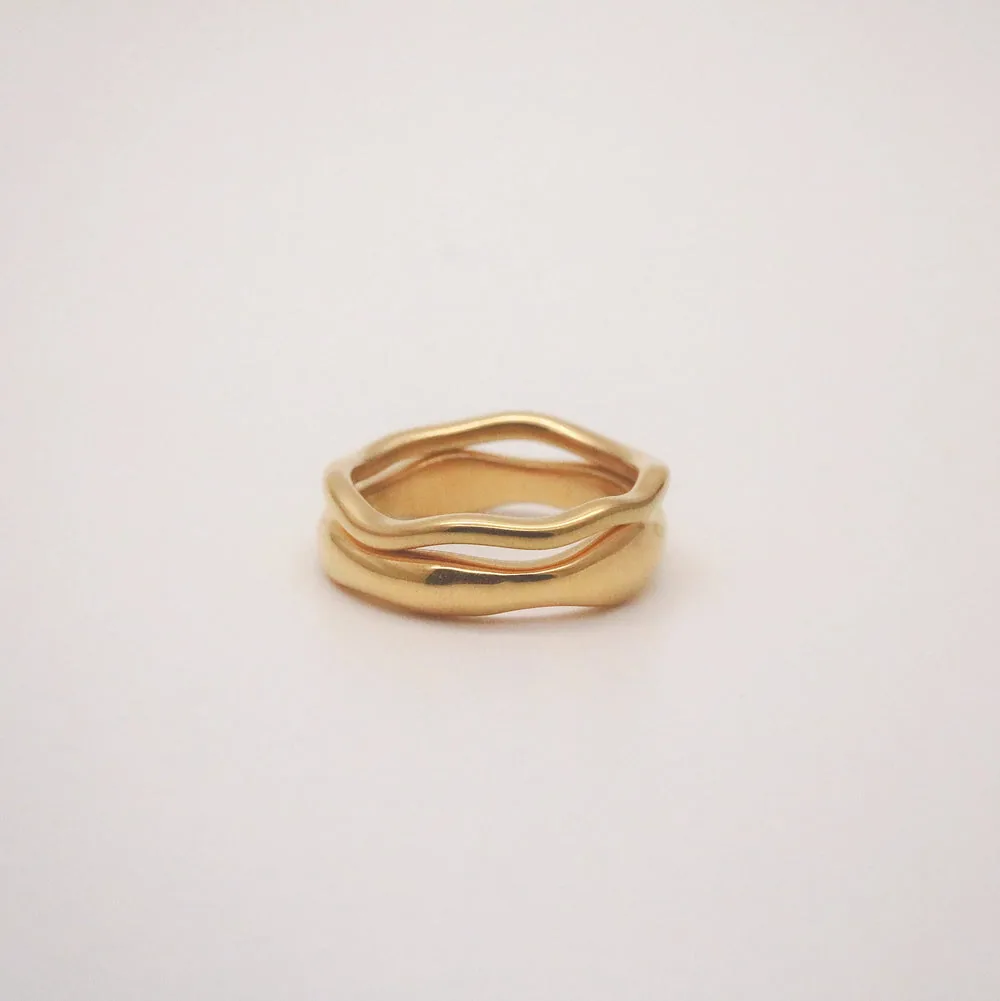
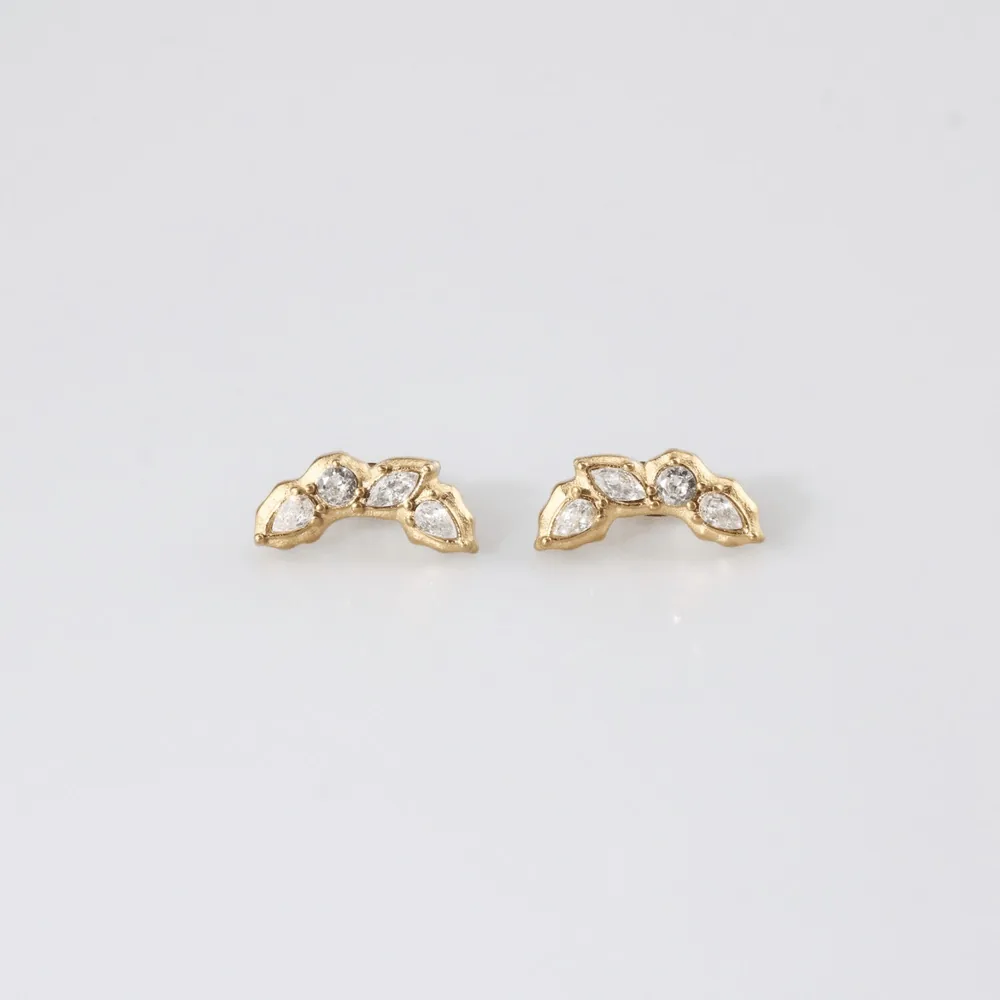
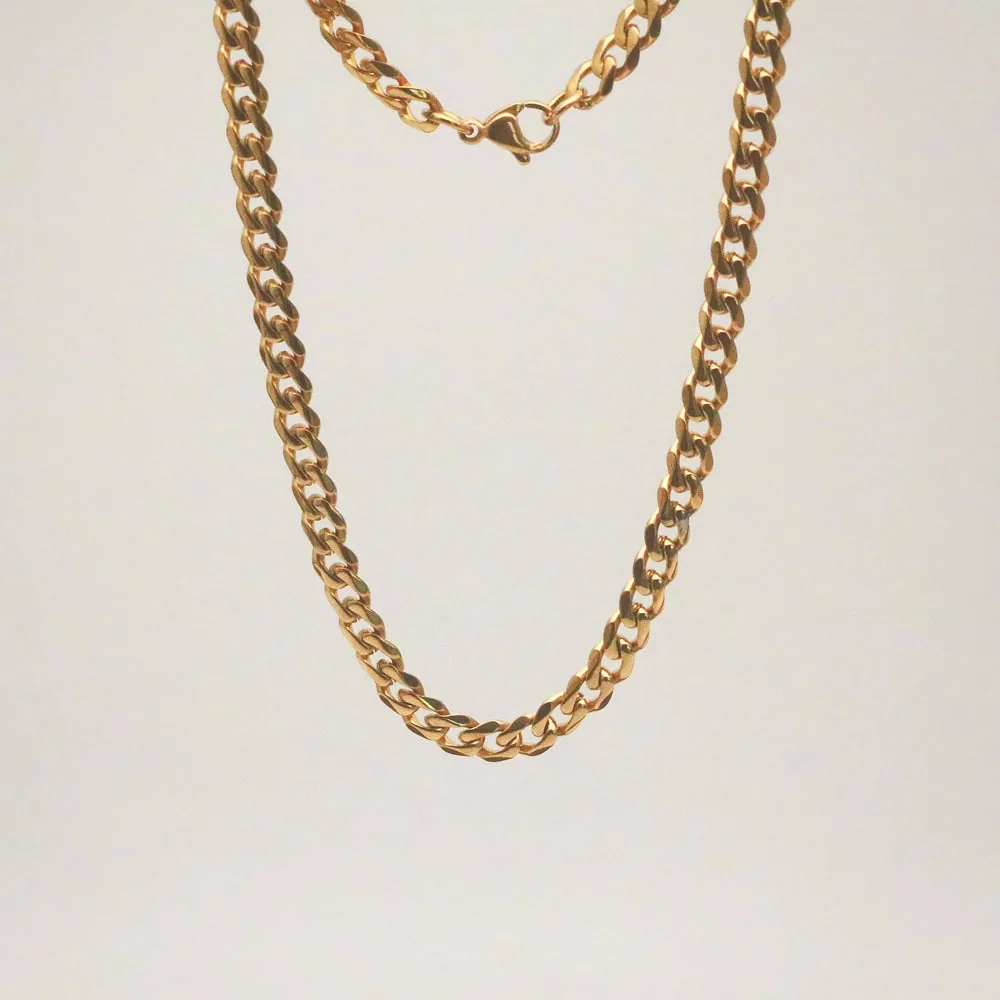
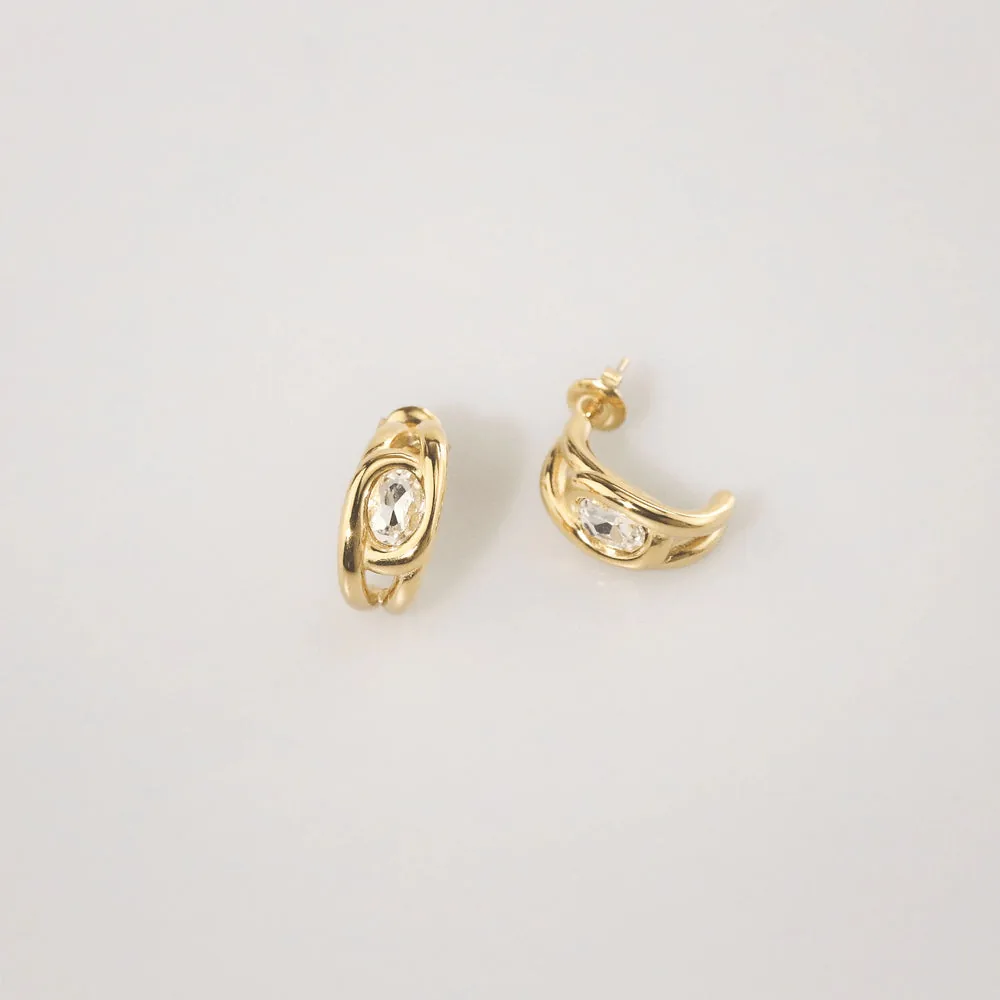
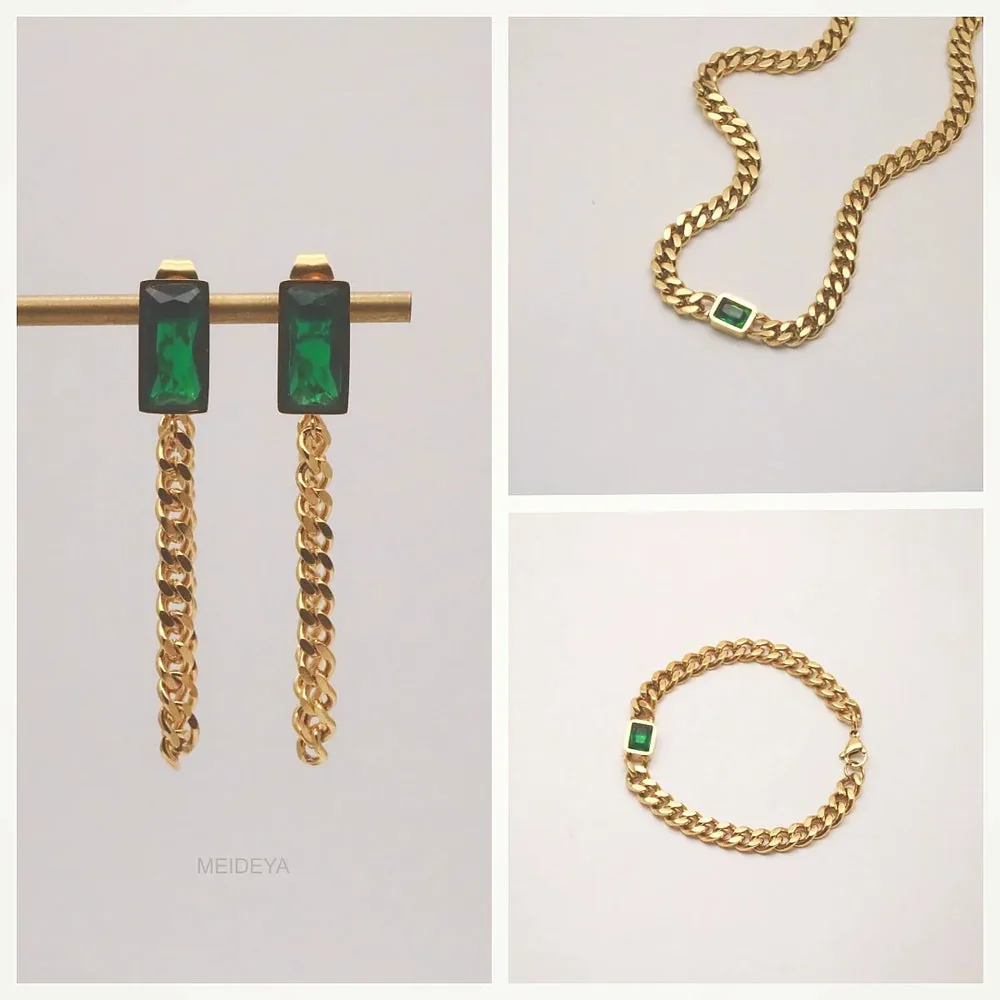
Where do Couture's Corner pieces sit? The line is 18k-gold-plated 316L stainless steel — plated, not solid gold, and not vermeil (vermeil is a thicker gold layer over a sterling-silver base specifically). The stones are cubic zirconia, not diamond. That places it squarely in the demi-fine band: it photographs and wears like fine jewelry, the 316L core is waterproof in the sense that it resists corrosion from showers, sweat, and pools, and it is hypoallergenic because nickel-safe 316L sits against the skin — but the plating still wears over years, which is why it carries a 1-year color warranty rather than a lifetime claim. Pieces like that comfortably support a 2–2.5x multiplier. If you want the full picture on why plated-steel sits where it does relative to vermeil and solid gold, our breakdown of gold-plated vs vermeil vs solid gold for stockists covers the FTC definitions in plain language.
Working backward from the shelf price
The most reliable way to price is not forward from cost — it is backward from the number your customer will actually pay. Walk your floor, look at the price points that move, and decide where a piece belongs: is it a $35 impulse earring, a $60 everyday necklace, or a $250 gift set? Once you have that shelf price, divide by your target multiplier to find the most you can pay at wholesale and still hit your margin.
This is also where a supplier MSRP earns its keep. An MSRP is the manufacturer's suggested retail, and its whole purpose is standardizing the price across different retail locations so the same piece does not show up at wildly different numbers from store to store. Couture's Corner publishes an MSRP on every product, which gives you a consistent anchor: price at or near MSRP and you stay aligned with the brand and with other stockists, protecting perceived value instead of starting a quiet race to the bottom. You can always go below MSRP for a sale, but you are choosing to, rather than guessing.
Two costs almost everyone under-counts when working backward:
- Payment processing. Card fees commonly run around 1.5%–3.5% of each sale (often quoted as 2.9% + $0.30 online). On a 50% gross margin, that is a meaningful slice.
- Packaging and returns. A branded box, pouch, or card, plus the occasional return or exchange, all come out of gross margin. Build a few points of cushion in before you commit to a multiplier.
This backward method is exactly why a low entry barrier matters when you are testing price points — you want to trial a handful of SKUs at your intended shelf price without over-committing. Our guide to low- and no-minimum wholesale ordering explains how a $100 starting order lets you validate a multiplier on real customers before you scale the buy.
A worked example
Let's price three real Couture's Corner heroes against their published MSRPs, applying a demi-fine approach and netting out a representative card fee. Assume you buy at wholesale and use the brand MSRP as your shelf price.
| Product | Published MSRP (shelf) | Gross margin at keystone | Margin after ~3% card fee |
|---|---|---|---|
| Mini Sun Hoops | $35 | 50% ($17.50) | ~47% (~$16.45) |
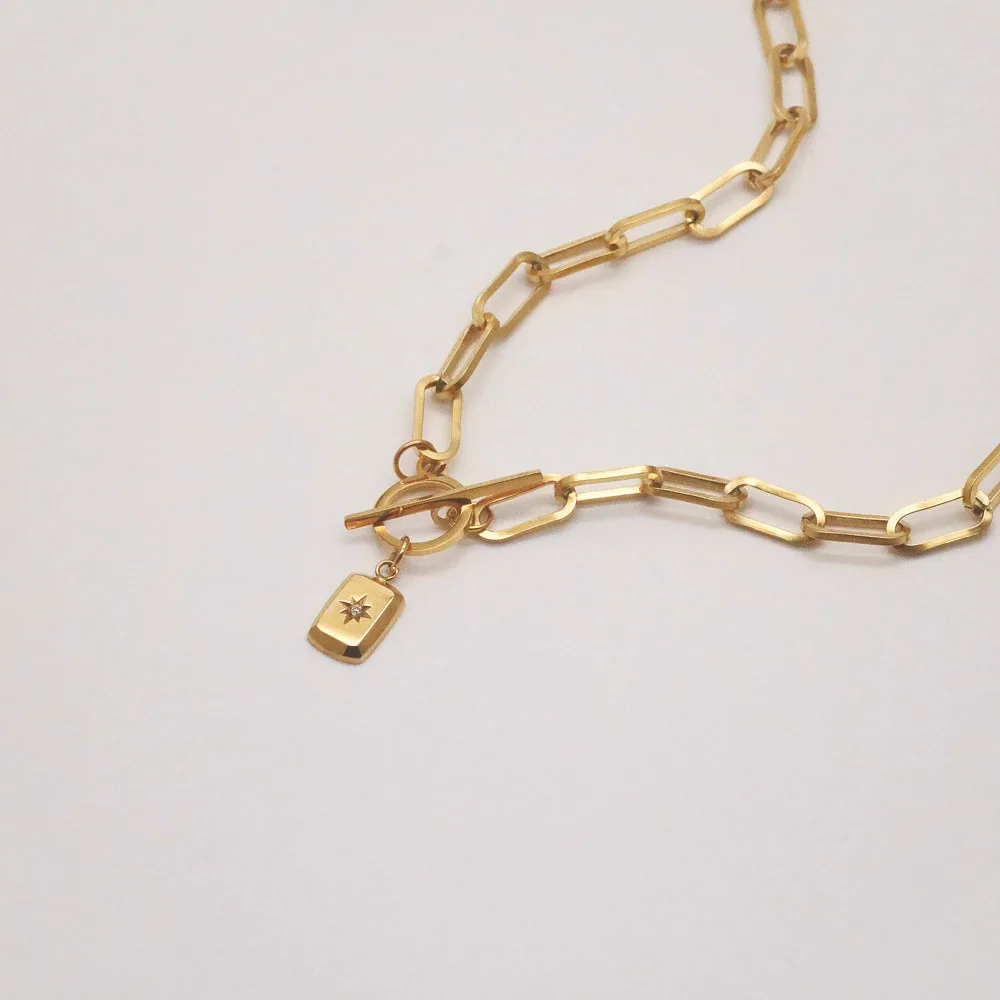
| Starburst Pendant Necklace | $39 | 50% ($19.50) | ~47% (~$18.33) |
| Emerald Gem Jewelry Set | $125 | 50% ($62.50) | ~47% (~$58.75) |
Read it this way: at keystone, the $35 hoops leave $17.50 of gross margin, and a roughly 3% card fee trims that to about $16.45 — still a clean ~47% before packaging. The $125 set is where the model shines, because a single sale contributes about $58.75 of gross margin and gift sets tend to convert at full MSRP. If you wanted to push the demi-fine band to 2.5x on a hero piece, you would simply set the shelf price 25% above keystone and check that it still reads as fair next to your other case pieces. For more on where this honest, plated-steel positioning fits into a boutique's overall assortment, see the pillar on wholesale jewelry for boutiques, or browse the full line to map MSRPs to your price points.
Wholesale jewelry pricing FAQ
No. Keystone means doubling your wholesale cost, which is a 100% markup but only a 50% gross margin, because margin is measured against the selling price, not the cost. That 50% is before packaging, card fees, and returns, so your true take-home is lower.
Treat 18k-gold-plated 316L stainless steel as demi-fine and price it at roughly 2 to 2.5 times landed cost. It wears and photographs like fine jewelry, but it is plated rather than solid gold, so a 3 to 4 times fashion markup usually overshoots what customers will pay for the category.
An MSRP is a suggested retail meant to standardize prices across stores and protect perceived value. Pricing at or near it keeps you aligned with the brand and other stockists. You can sell below MSRP for promotions, but doing so should be a deliberate choice rather than a default that erodes margin everywhere.
The big three are payment processing (commonly around 1.5 to 3.5 percent per sale), packaging like boxes and pouches, and returns or exchanges. Marketing and shrinkage also chip away. Build a few points of cushion into your multiplier so these expected costs do not push a piece below your target margin.
Decide the price your customer will actually pay based on the price points that move on your floor, then divide that shelf price by your target multiplier to find the most you can pay at wholesale. A published MSRP gives you a reliable shelf anchor so you are not guessing the top number.
Open a Couture's Corner wholesale account
Every product in the full line ships with a published MSRP, so you can price cleanly against your floor — from the Mini Sun Hoops at a $35 shelf to the Emerald Gem Jewelry Set at $125. $100 minimum · NET-60 terms · first order ships with free returns.
Open a wholesale account →