Running a jewelry boutique is a lot less glamorous than the picture in your head — and a lot more repeatable. After years of supplying stockists, I can tell you the shops that last aren't the ones with the prettiest case; they're the ones that own fast-turning inventory, describe it honestly, and buy it on terms that protect their cash. Everything else — the lighting, the Instagram, the loyalty punch card — is decoration on top of that spine. This is the playbook I'd hand a new owner: the full lifecycle, phase by phase, from concept to growth, with a deeper guide behind each step so you can go as far down any rabbit hole as you need.
Key takeaways
- A boutique lives or dies on inventory. Own fast-turning, honestly-described pieces bought on terms that protect cash — that single discipline underwrites every other decision.
- Terms beat unit price. A low minimum, real net terms, and a genuine returns policy matter more to a young shop's survival than a few cents off each piece.
- Buy to the calendar, price for margin. Keystone is your floor, seasonal buying keeps the case fresh, and honest framing keeps pieces off the returns shelf.
1. Concept & launch: pick a lane, then a legal footing
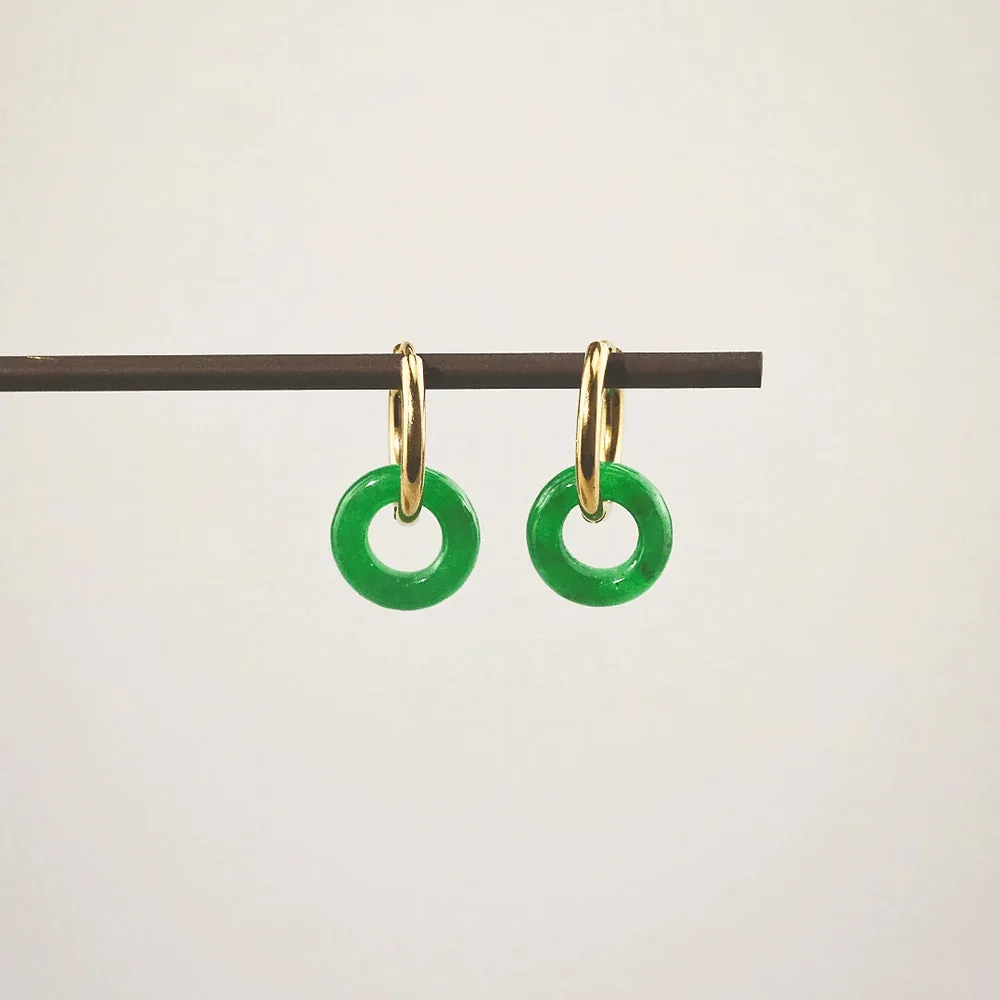
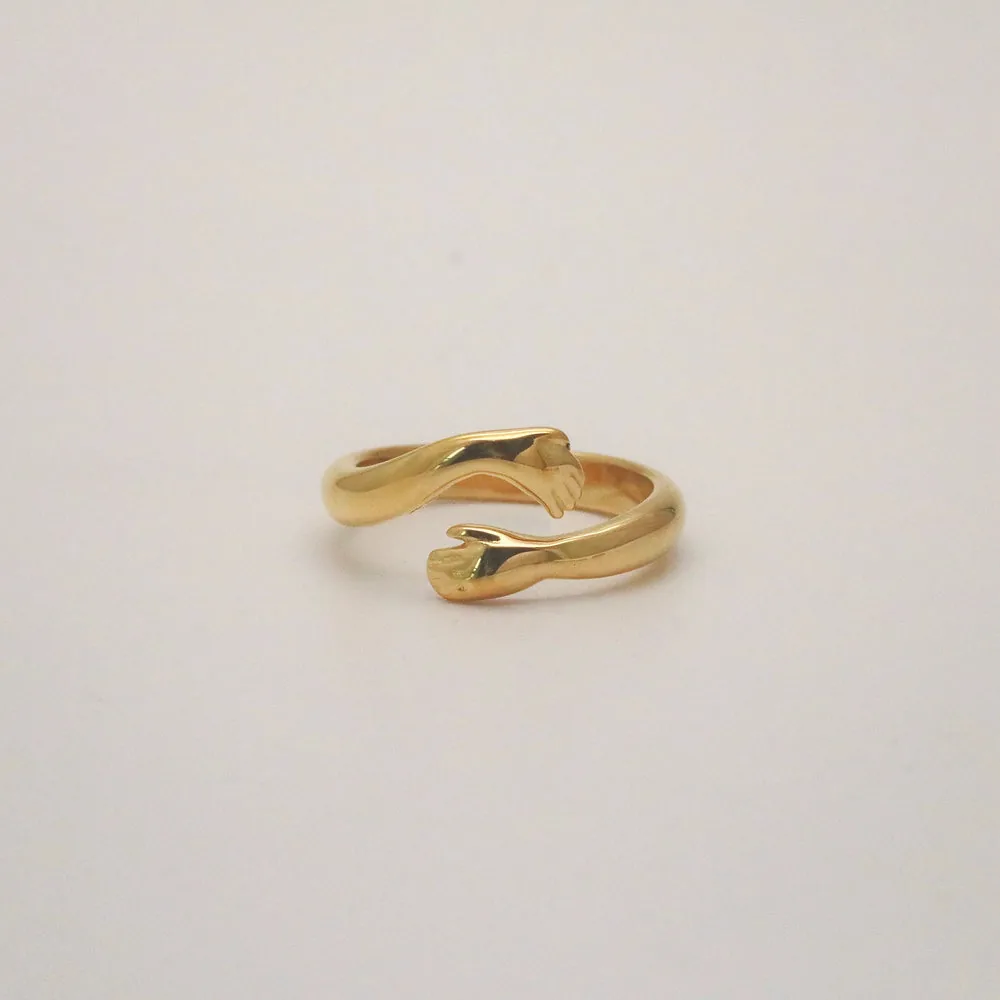
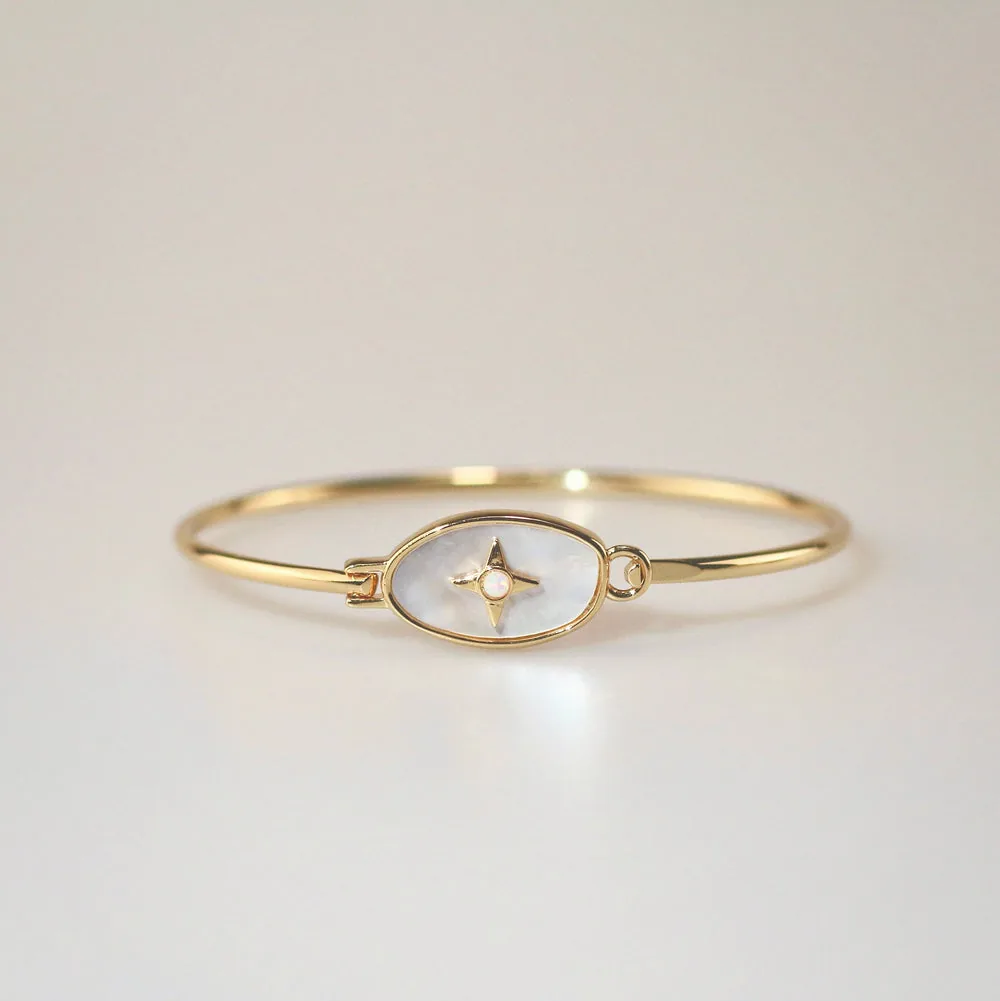
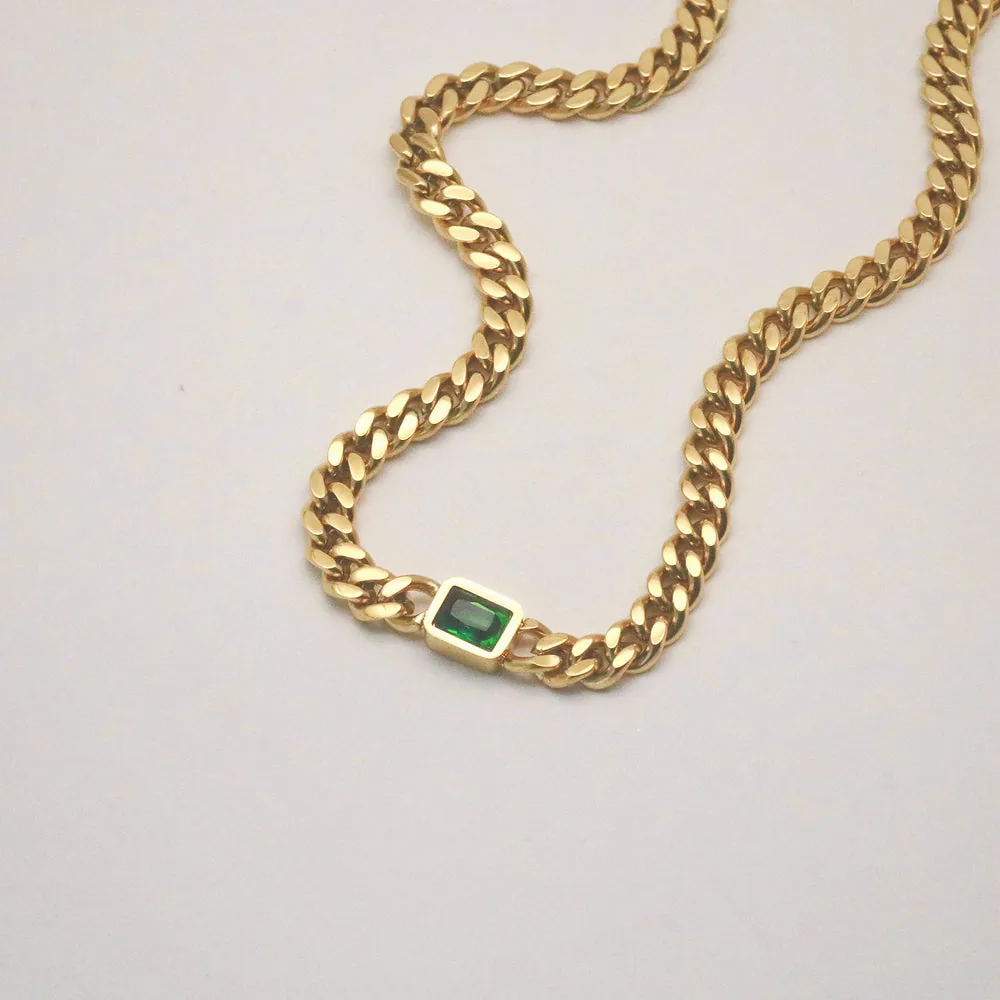
Before you buy a single piece, decide who you're for. The boutiques that struggle are the ones that try to be everything — a little fine, a little fashion, a little bohemian — and end up memorable to no one. Pick a lane and let it dictate your buying. The one I steer most new owners toward is the demi-fine sweet spot: pieces that photograph and wear like fine jewelry but sit at a fashion price your customer will repurchase. In practice that means 18k-gold-plated 316L stainless steel — plated, not solid gold — with cubic-zirconia sparkle and freshwater or simulated pearls, described exactly as what it is. It's giftable, it survives real life, and it reorders.
The legal footing is genuinely the boring-but-mandatory part: register the business, get whatever license your city requires, and secure a resale certificate so you can buy wholesale tax-free and collect sales tax properly. Don't guess at this — our walkthrough of whether you need a license to sell jewelry lays out the LLC, license, and resale-certificate basics in plain language. Budget honestly, too: a realistic range to open a small demi-fine boutique is wide depending on whether you're online-only or signing a lease, so map it before you commit — the cost-to-start breakdown and the broader how to start a jewelry boutique guide take you through the concept, budget, and first assortment in order.
2. Sourcing your inventory: own it, and own it on terms
This is the phase that decides everything downstream, so I'll be blunt about the fork in the road. You can own your inventory wholesale — buy it, mark it up, keep the full margin — or you can take it on consignment, paying the supplier only after a piece sells. Consignment feels safe because you risk no cash up front, but you give away margin, you rarely control the assortment, and you never build the muscle of buying to your own customer. For most boutiques, owning fast-turning core inventory is the healthier long game; our honest comparison of wholesale vs consignment weighs the ownership, margin, and risk without a sales pitch.
If you own it, the terms of the buy matter more than the sticker price. Screen a supplier for a low minimum (so you can trial an assortment without over-committing your open-to-buy), net terms (so you stock, sell, then pay), and a real returns policy on defects and shortages. For reference, Couture's Corner runs a $100 minimum, offers NET-60 at 0% interest, and ships your first order with free returns — terms built so a young shop can test what sells before it scales. Start with the everyday core — hoops and studs, dainty pendants, stackable rings — because the core reorders while statement pieces tie up cash. The full sourcing decision tree lives in our pillar on wholesale jewelry for boutiques.
3. Pricing & margin: keystone is the floor, not the ceiling
Once you own inventory, the number that keeps you awake is the shelf price. The old convention is keystone — retail equals two times wholesale, a 100% markup. Here's the trap that quietly erodes profit: a 100% markup is only a 50% gross margin, because margin is measured against the selling price, not the cost. And that 50% is before packaging, card fees, and the occasional return come out of it. Treat keystone as the floor beneath which a piece rarely earns its shelf space, not the number that pays your rent.
For demi-fine, plated-steel pieces, I usually see a healthy 2 to 2.5 times landed cost once those real costs are counted; lower-cost fashion accessories can support more. The most reliable way to price isn't forward from cost — it's backward from the shelf price your customer will actually pay: pick that number, divide by your target multiplier, and that's the most you can afford at wholesale. A published supplier MSRP (we list one on every product) gives you a consistent anchor so you're not reverse-engineering it in your head at a trade show. The full math, with worked examples, is in how to price wholesale jewelry.
The phases of running a jewelry boutique
Here's the whole lifecycle on one screen — what each phase actually decides, the move that works, and where to go deeper. Bookmark this; it's the map for everything above and below.
| Phase | What it decides | The move that works | Go deeper |
|---|---|---|---|
| Concept & launch | Who you're for, and your legal footing | Pick one lane (the demi-fine sweet spot), then license + resale cert | How to Start a Jewelry Boutique |
| Sourcing inventory | Your margin, cash flow, and control | Own fast-turning core wholesale on a low minimum + net terms | Wholesale vs Consignment; Wholesale Jewelry for Boutiques |
| Pricing & margin | Whether the shop is profitable at all | Keystone as the floor; work backward from shelf price to wholesale | How to Price Wholesale Jewelry |
| Merchandising | How much each customer actually buys | Zone the case by price and story; sell the stack and the set | How to Display & Merchandise Jewelry |
| Seasonal buying | Whether the case is ever fresh when it counts | Buy ahead of gifting peaks; use net terms to buy without draining cash | Seasonal Jewelry Buying Guide |
| Marketing & retention | Whether customers come back | Turn honest fit + warranty into repeat trust; build an email/SMS list | Deepens in future guides in this series |
4. Merchandising & seasonal buying: sell the set, buy the calendar
Sourcing and pricing get pieces into the shop; merchandising decides how many each customer leaves with. The single biggest lever is to stop selling one item at a time. Zone your case so a customer's eye travels from an entry impulse price to a hero set, and sell the stack and the set — a necklace styled with its matching earrings, three rings shown stacked — so the natural next question is "can I get all of it?" That's how you lift average basket without discounting. The tactical version, from case layout to signage to styling, is in how to display & merchandise jewelry.
Then there's timing. Jewelry is a gifting category, and gifting runs on a calendar — Valentine's, Mother's Day, graduations, the winter holidays. The mistake I see most is buying into a peak instead of ahead of it, so the fresh case arrives after the demand has passed. Buy ahead, and let net terms do the heavy lifting: you can stock a holiday assortment on NET-60 and have it selling before the invoice is due, which keeps a seasonal buy from draining your cash right when you need it for staffing and marketing. What to stock and exactly when is mapped in the seasonal jewelry buying guide.
5. Marketing, retention & growth: honesty compounds
Growth is where the through-line pays off. You'll spend on marketing — a considered storefront or site, email and SMS, local partnerships — but the cheapest growth a jewelry boutique has is the customer who comes back, and retention is downstream of honesty. When you sell an 18k-plated piece as plated, describe the 316L core as nickel-safe (not "nickel-free"), call CZ what it is, and back the finish with a color warranty, your customer is never surprised. Nobody returns a piece that did exactly what you promised, and nobody tells their friends about the shop that oversold them. That's the compounding asset.
The rest of growth is operational rhythm, and each piece has its own deeper guide now. Get found locally with a DIY Google Business Profile, keep the feed fed with a 30-day content calendar, and turn first-timers into regulars with a retention playbook (a printable jewelry care card is one of the cheapest retention tools there is). Behind the scenes, run a real inventory system so you reorder winners fast and retire duds, and when you're ready to grow past your own four walls, you can even wholesale your line to other stores. All of it rests on the same spine you built in phases one through four: own fast-turning inventory, describe it honestly, buy it on terms that protect your cash.
More wholesale guides
- How to Start a Jewelry Boutique — concept, budget, and a first assortment that reorders.
- Wholesale vs Consignment — an honest look at ownership, margin, and risk.
- Wholesale Jewelry for Boutiques — the full sourcing pillar for stockists.
- How to Price Wholesale Jewelry — keystone math for healthy margins.
- How to Display & Merchandise Jewelry — zone the case and sell the stack.
- Seasonal Jewelry Buying Guide — what to stock and when, on terms.
- Do You Need a License to Sell Jewelry? — LLC, license, and resale-certificate basics.
- How Much It Costs to Start a Jewelry Boutique — a realistic budget range, itemized.
- Local SEO for a Jewelry Boutique — the DIY Google Business Profile playbook.
- Social Media Content Calendar — 30 days of posts you can actually sustain.
- Turn One-Time Buyers Into Repeat Customers — the retention playbook.
- Jewelry Inventory Management — a stockroom system that keeps reorders tight.
- The Jewelry Care Card to Hand Out — a free copy-paste template for customers.
- How to Sell Your Jewelry Wholesale to Boutiques — become a stockist without a factory.
Running a jewelry boutique FAQ
Profit follows one discipline: own fast-turning inventory, describe it honestly, and buy it on terms that protect your cash. Get those right and pricing, merchandising, and seasonal buying reinforce each other. Keystone (2x wholesale) is your price floor, demi-fine pieces usually carry 2 to 2.5x, and honest framing keeps pieces off the returns shelf, which protects the margin you worked to build.
Owning inventory wholesale keeps the full margin and lets you buy to your own customer, while consignment risks less cash up front but gives away margin and control. For most boutiques, owning a fast-turning core is the healthier long game. Our wholesale vs consignment guide weighs the ownership, margin, and risk trade-offs honestly so you can decide for your own shop.
Look for a low minimum so you can trial an assortment, net terms so you stock and sell before you pay, and a real returns policy on defects. Couture's Corner runs a $100 minimum with NET-60 at 0% interest, and your first order ships with free returns, so a young shop can test what sells before scaling the buy.
Start from keystone (double your wholesale cost) as a floor, then work backward from the shelf price your customer will actually pay: divide that price by your target multiplier to find the most you can afford at wholesale. Demi-fine, 18k-gold-plated pieces typically support 2 to 2.5x landed cost once packaging, card fees, and returns are counted.
Merchandise to sell the set, not the single piece. Zone your case so the eye travels from an entry impulse price to a hero set, and style pieces together — a necklace with matching earrings, rings shown stacked — so the natural question becomes "can I get all of it?" That lifts average basket size without discounting.
Yes, when it's plated over a durable core and described honestly. 18k-gold-plated 316L stainless steel is waterproof in the sense that the steel core resists corrosion from showers, sweat, and pools, and it's nickel-safe for sensitive skin. It's plated, not solid gold, and the stones are cubic zirconia, not diamond — sell it as exactly that, back it with a color warranty, and it reorders.
Open a Couture's Corner wholesale account
Stock the fast-turning, honestly-described demi-fine core this playbook is built on. Start with the sourcing pillar on wholesale jewelry for boutiques, or browse the full line to map MSRPs to your price points. $100 minimum · NET-60 terms · first order ships with free returns.
Open a wholesale account →