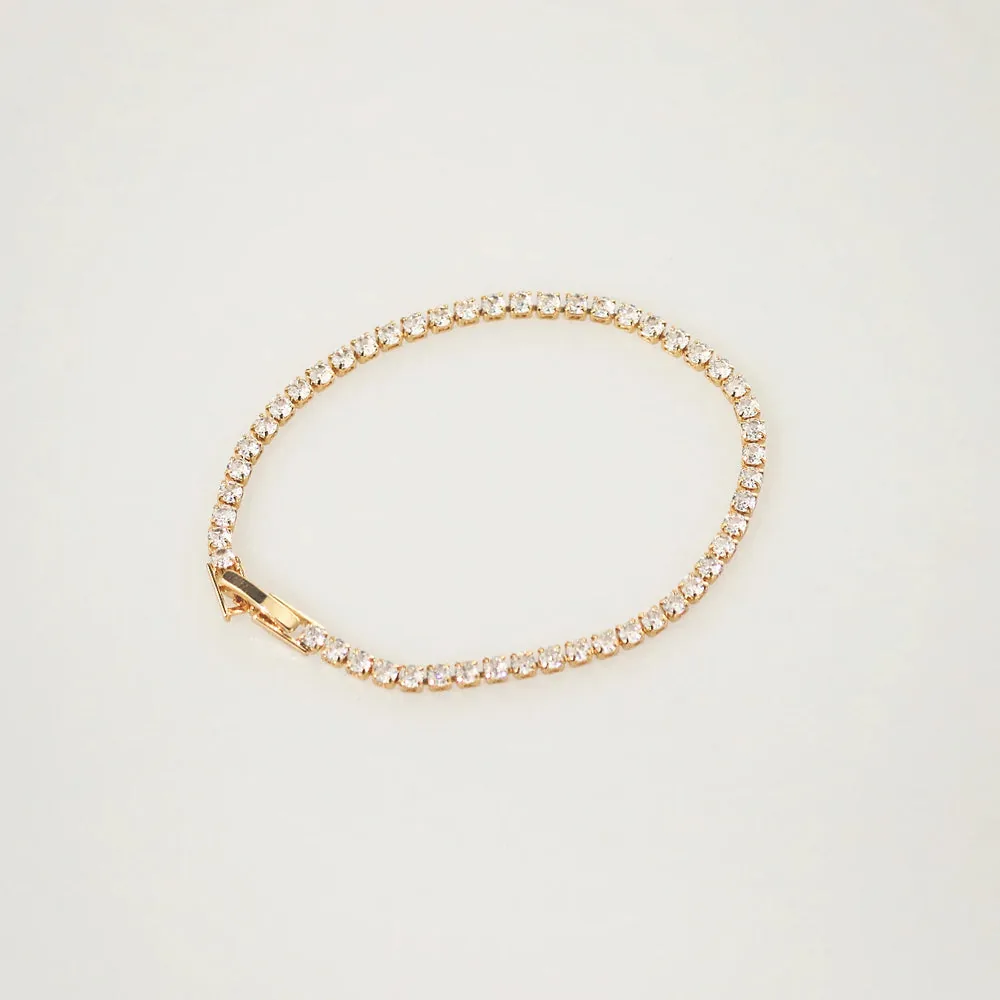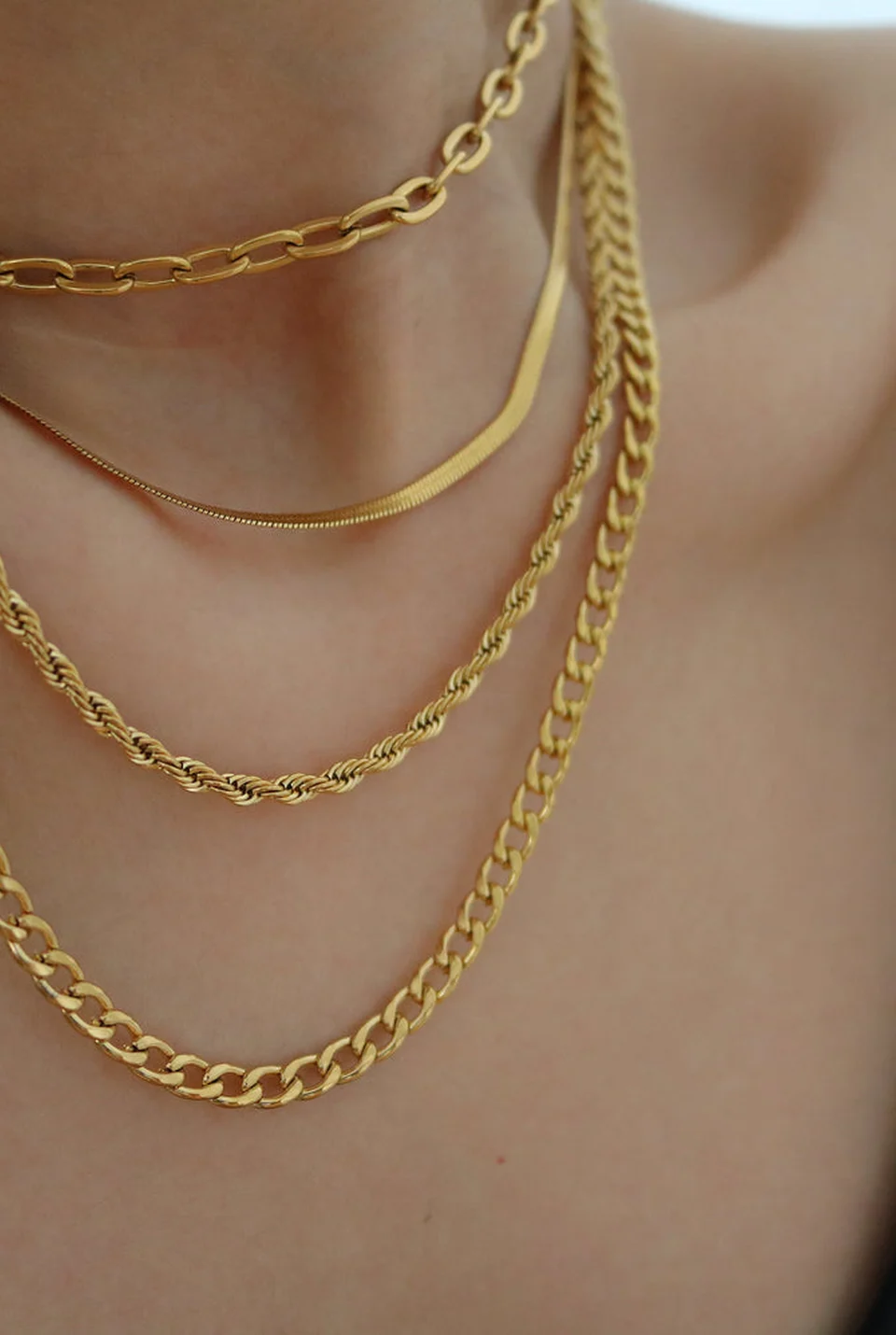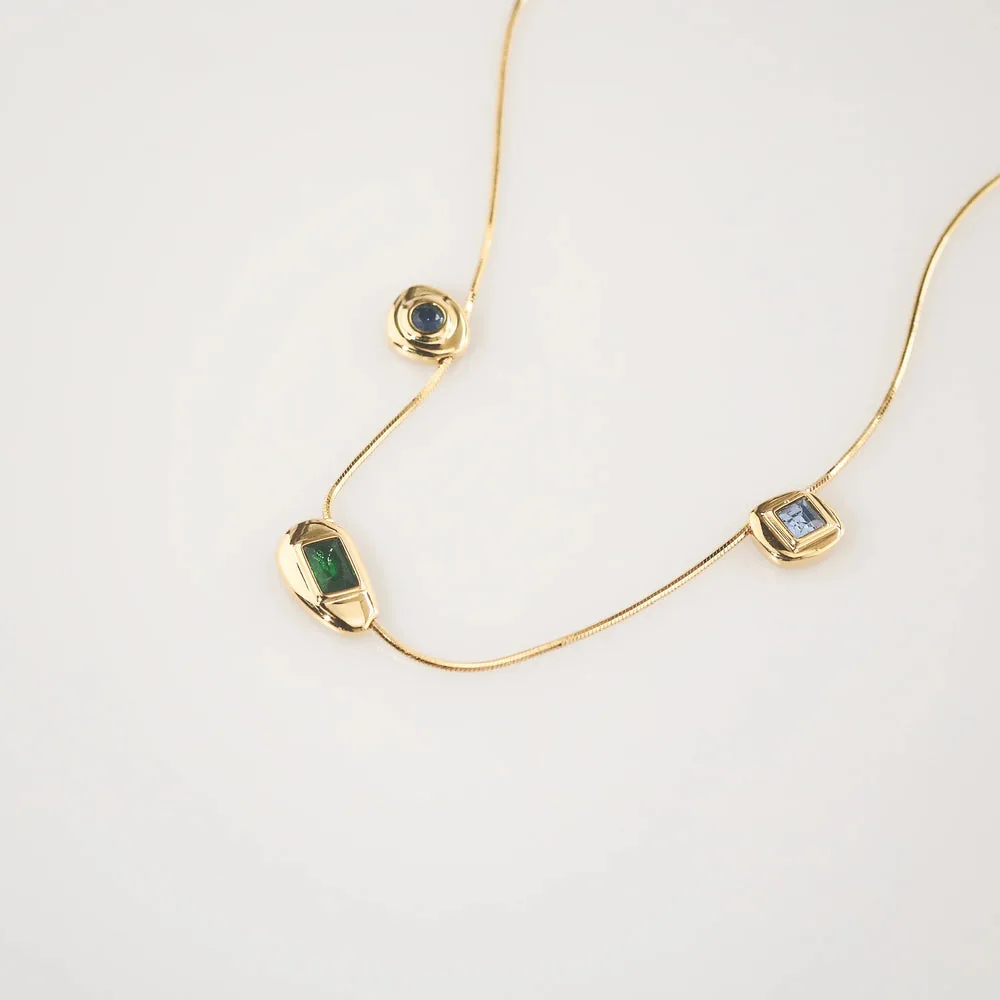
When you're stocking jewelry for a boutique, one of the first real business decisions is how you'll get product onto the shelf: do you buy and own it at wholesale, or take it on consignment and pay only after it sells? It sounds like a cash-flow question, and partly it is — but it's really a question about margin, control, and what kind of business you're building. This guide defines both models honestly, walks through where each genuinely wins, gives you a side-by-side table, and shows how modern wholesale terms quietly erase most of consignment's old advantage. No hype, just the trade-offs as a fellow operator sees them.
Key takeaways
- Consignment lowers upfront risk, not the cost of risk. You pay nothing until a piece sells, but you give up margin, assortment control, and the chance to build owned inventory.
- Wholesale wins on margin and control. You own the stock, set your own prices, and keep keystone-or-better margin — the one real downside is paying upfront.
- NET-60 terms collapse the gap. Low minimums, deferred payment, and free first-order returns let you sell before you pay — you get consignment's cash relief and still own the upside.
Wholesale and consignment, defined plainly
Let's get the definitions clean before we judge anything, because both models are legitimate and each suits a different moment in a boutique's life.
Wholesale means you buy inventory from a supplier at a trade price and own it outright. The cash leaves your account (immediately, or on terms), the goods are yours, and every dollar of the markup between your wholesale cost and the shelf price is yours to keep. You decide what you carry, how you merchandise it, when you mark it down, and when you reorder. The classic floor here is keystone — roughly doubling your cost — which means a piece bought right earns you roughly half the shelf price in gross margin.
Consignment means the supplier keeps ownership of the goods while they sit in your store. You don't pay for a piece until it sells, and then you remit the supplier's agreed share and keep a commission. If something never sells, you send it back — you were never out the cash. That's the genuine appeal: very little money down and very little inventory risk. The trade is that your cut on a consigned sale is typically a markup tier lower than what you'd earn owning the same piece at wholesale, because the supplier is carrying the capital and the risk, and they price that in.
Neither is "the smart one." They're different deals. The honest way to choose is to look at five dimensions that actually move your P&L and your day-to-day control of the store. For the wider context on how owned wholesale fits a boutique's whole assortment, our pillar on wholesale jewelry for boutiques is the place to start.
Wholesale vs consignment at a glance
Here's the comparison I'd sketch on a napkin for a boutique owner deciding how to stock a new category. Read it as directional — your exact numbers depend on the supplier and the category — but the shape of the trade holds across demi-fine jewelry.
| Dimension | Wholesale (buy & own) | Consignment (pay on sale) |
|---|---|---|
| Who owns the inventory | You. It's an asset on your books. | The supplier, until it sells. |
| Upfront cash needed | Yes — though terms can defer it (see NET-60 below). | Little to none. Pay only after a sale. |
| Your margin | Higher — keystone or better; you keep the full markup. | Lower — typically a markup tier below wholesale; a commission split. |
| Control of assortment | Full. You buy exactly what fits your floor and price it yourself. | Limited. You carry what the supplier supplies, on their terms. |
| Risk if it doesn't sell | Yours — you're holding the stock (free first-order returns soften this). | The supplier's. Send it back, no cash lost. |
| Best for | Fast-turning core categories you want to own and grow margin on. | Unproven categories, very high-ticket pieces, or a cash-strapped launch. |
Notice that the two genuinely meaningful columns are margin and control, and wholesale wins both. Consignment wins on upfront cash and downside risk — which matters enormously at the wrong moment and barely at all at the right one. The rest of this guide is about figuring out which moment you're in.
When consignment genuinely makes sense
I won't pretend consignment is a trap — it isn't. There are three situations where I'd reach for it myself.
You're testing a truly unproven category. If you've never sold, say, anklets or men's pieces and have no read on whether your customer wants them, consignment lets you find out without buying a single unit. The supplier eats the dead stock if it flops. That's a fair deal when you genuinely have no signal.
The pieces are very high-ticket. Consignment was built for the gallery and the estate case — a four-figure estate piece that might sit for months. Tying up that much capital in slow, expensive inventory is exactly the risk consignment is designed to remove, and for one-of-a-kind or luxury price points it's often the right call.
You're launching with almost no cash. If you're opening the doors with a thin bank balance and need something in the case, consignment fills shelves without a buy. It's a bridge — not a forever model, but a legitimate way to get started when capital is the binding constraint.
The thread through all three: consignment is the right tool when you have no demand signal, very high carrying cost per unit, or no cash at all. For demi-fine jewelry — affordable, fast-turning, and easy to read — usually none of those three is true once you've done one honest test.
When wholesale wins (which is most of the time for demi-fine)
Here's the uncomfortable part for the consignment pitch: the things that make consignment attractive — low cash, low risk — are exactly the things that good wholesale terms now neutralize, while wholesale keeps everything consignment can't give you.
Margin. This is the whole game. Own a piece at wholesale and you keep the full markup — roughly double at keystone. Take the same piece on consignment and your cut is a markup tier lower, because you're paying the supplier for carrying the risk. On a fast-turning category, that surrendered margin compounds across hundreds of sales a season. You're effectively renting the upside of your own store to the supplier. (For how to set that markup so it actually holds, see our guide on how to price wholesale jewelry.)
Control. When you own your stock, you decide everything — which necklaces, which earrings, which rings, how you bundle a gift set, when you discount, when you reorder a hero. On consignment, your assortment is shaped by what the supplier chooses to place with you, and your pricing is constrained by their agreement. Your store stops being yours at the margin.
You build an owned asset. Every wholesale order adds inventory you own — a balance-sheet asset, a base of proven sellers you can lean on, a relationship with a supplier you grow with. Consignment builds none of that. Years in, the consignment-only boutique has the same dependency it started with; the wholesale boutique has a curated, owned line it understands cold.
The one real downside of wholesale is the upfront cash. And that's precisely the gap that good terms close. Low minimums let you start small — you don't have to commit a four-figure buy to a new line; our breakdown of wholesale jewelry with no or low minimum covers exactly how a small floor lets you test honestly. And NET-60 means you can sell the goods before the invoice comes due — which is consignment's core benefit, delivered on owned inventory. You can also browse the full wholesale line to see where the price points land against your floor.
How NET-60 terms close consignment's gap
This is the insight I most want a boutique owner to walk away with: modern wholesale terms are engineered to strip out most of consignment's risk advantage, leaving you the margin and control. Look at what consignment actually gives you and how each piece is answered on owned inventory.
Consignment gives you no upfront cash outlay. NET-60 answers that: you receive and shelve the goods now, and payment isn't due for 60 days — often after a meaningful chunk of that order has already sold through. At Couture's Corner that's NET-60 at 0% interest, so deferring costs you nothing. Consignment gives you downside protection if it doesn't sell. A free first-order return policy answers that for the riskiest order — your first one — by letting you send back what doesn't move. And consignment lets you start without a big buy. A low minimum answers that: our floor is a $100 minimum order, roughly three to four hero pieces, small enough that no single test can hurt.
Stack those three together — NET-60 at 0%, free first-order returns, and a $100 minimum — and you've reconstructed consignment's entire safety net on inventory you own and earn full margin on. You sell before you pay, you can return a first order that misses, and you risk very little to find out. The difference is that when it works, the upside is yours, not split.
One more honesty note, because it's the part that actually decides repeat sales: vet the product the same way under either model. Our pieces are 18k gold-plated over 316L stainless steel — plated, never solid gold — with cubic-zirconia stones (not diamond), freshwater or simulated pearls, and a nickel-safe steel core. We describe them that way on every listing, because a customer surprised by what "gold" means is a return waiting to happen, and a return erases the margin on several clean sales. Whether you consign or buy, demand that level of plain description from any supplier.
More wholesale guides
If you're weighing how to stock and price an owned line, these companion guides go deeper on the pieces that matter most.
- Wholesale Jewelry for Boutiques — the pillar on terms, margins, and reading specs honestly.
- Wholesale Jewelry With No & Low Minimum — how a small order floor lets you test a line without over-committing.
- How to Price Wholesale Jewelry — keystone as your floor and how to protect the margin you'd surrender on consignment.
- How to Start a Jewelry Boutique — the wider playbook for opening, from first buy to first season.
- Browse the full wholesale line — see the assortment and MSRPs you'd own.
Wholesale vs consignment FAQ
With wholesale you buy and own the inventory at a trade price, keep the full markup, and control your assortment and pricing. With consignment the supplier keeps ownership until a piece sells, you pay only after the sale, and you earn a lower commission split in exchange for not carrying the cash or the risk.
It depends on the category. Consignment suits unproven categories, very high-ticket pieces, or a launch with almost no cash. For fast-turning demi-fine jewelry, wholesale usually wins because you keep more margin, control what you carry, and build owned inventory — especially once terms remove the upfront-cash downside.
Because the supplier is carrying the capital and the risk while the piece sits in your store, and they price that into the split. Your cut on a consigned sale is typically a markup tier below what you'd earn owning the same piece at wholesale, where the full markup — roughly double at keystone — is yours.
NET-60 lets you receive and shelve the goods now and pay the invoice 60 days later — often after much of the order has already sold. That delivers consignment's core cash relief on inventory you actually own, so you sell before you pay while keeping full margin and control of your assortment.
Our minimum order is $100, roughly three to four hero pieces. We offer NET-60 at 0% interest so payment falls due after your customers have had time to buy, and your first order ships with free returns — so you can test an owned assortment with very little downside.
Yes. A low $100 minimum lets you buy a small curated mix to read sell-through, NET-60 defers payment until after customers have shopped it, and free first-order returns cover the riskiest order. Together they let you test an owned line about as safely as consignment, while keeping the higher margin and full control.
Open a Couture's Corner wholesale account
Own your assortment without the upfront-cash worry: browse the full wholesale line, then price it to hold with our guide on how to price wholesale jewelry. $100 minimum · NET-60 terms · first order ships with free returns.
Open a wholesale account →