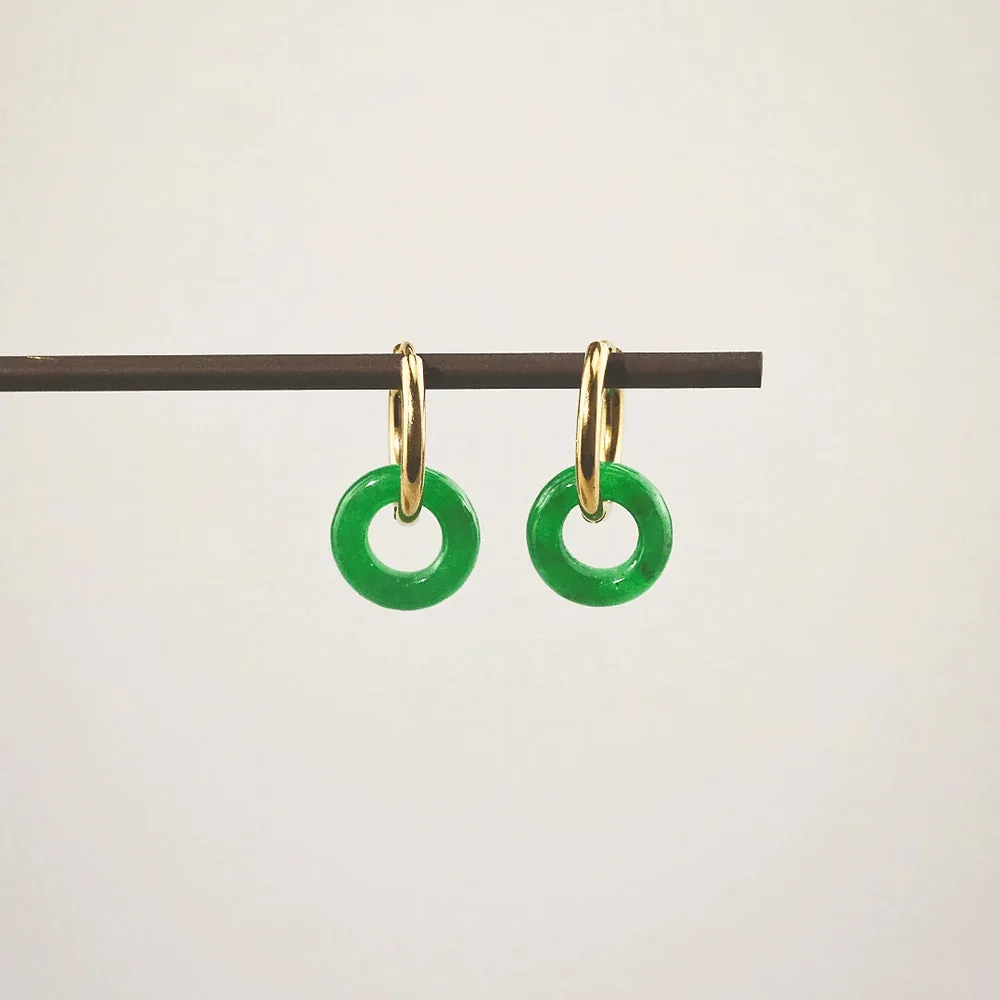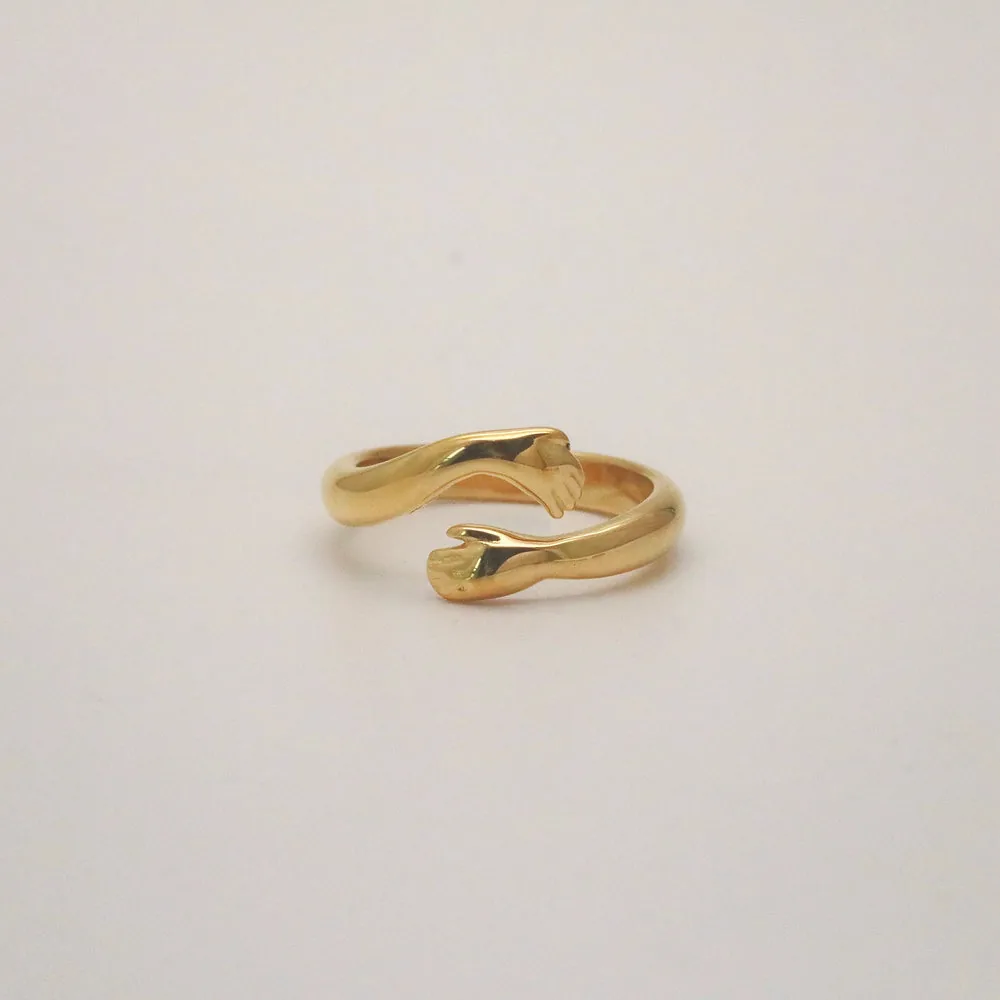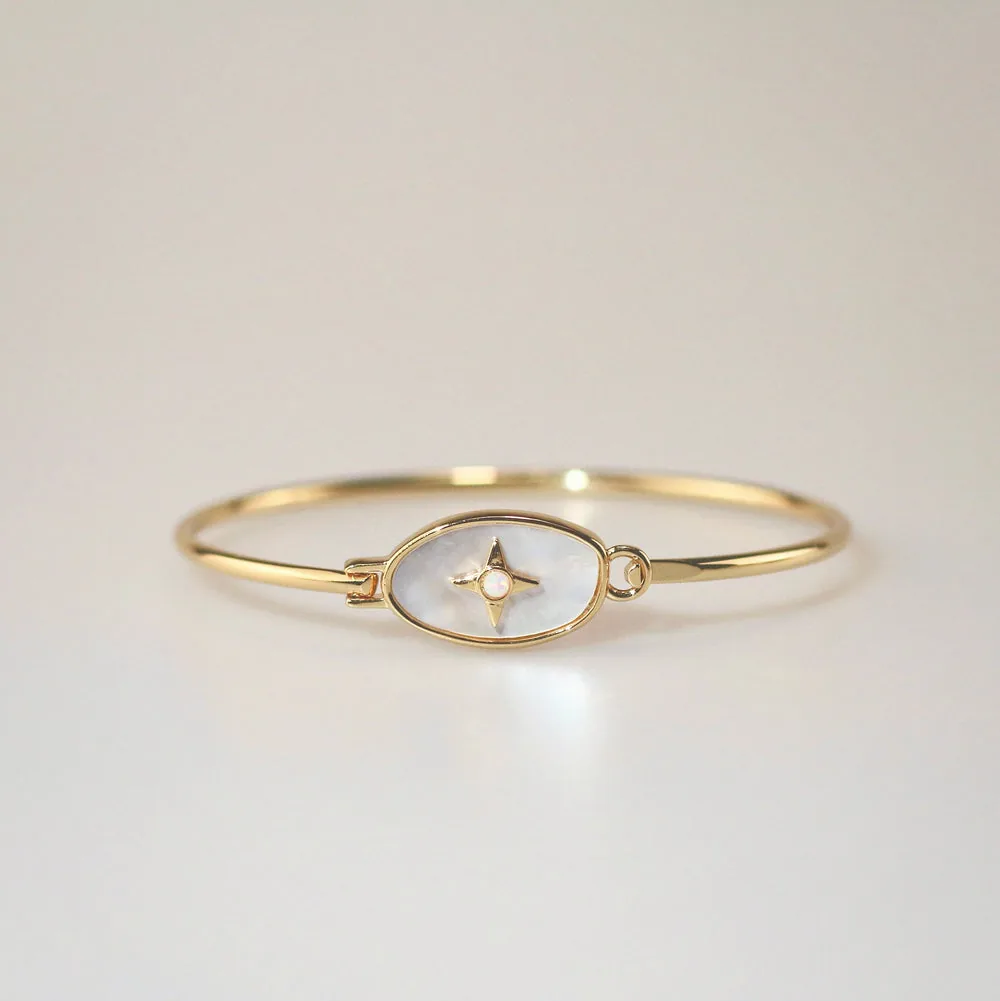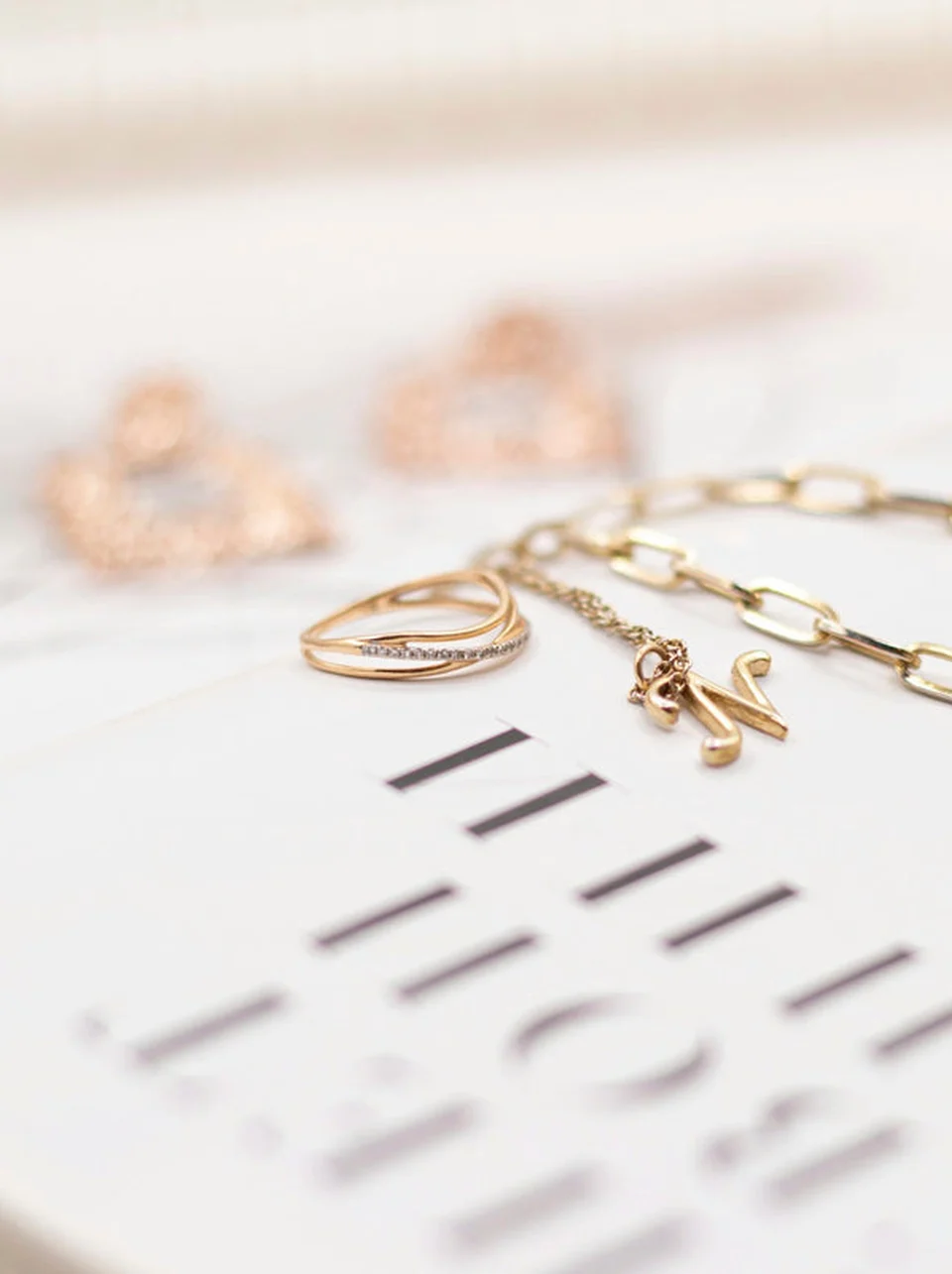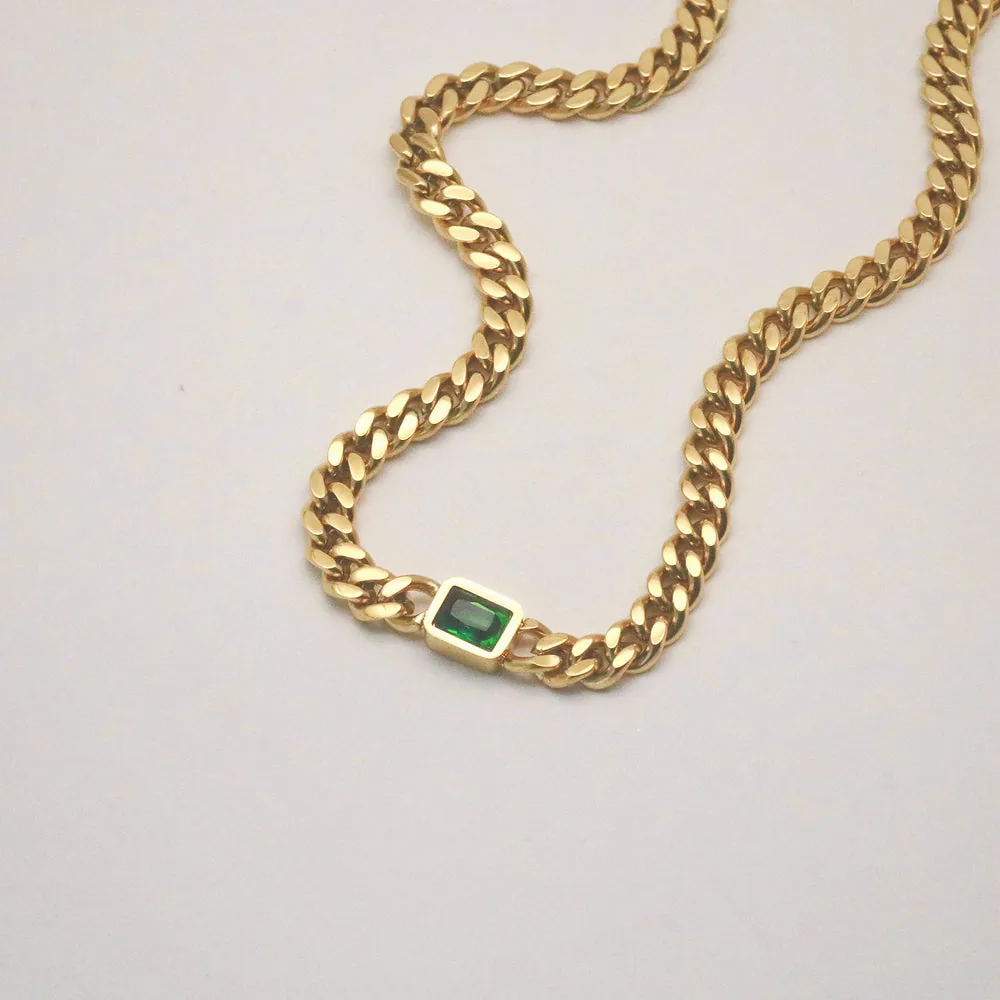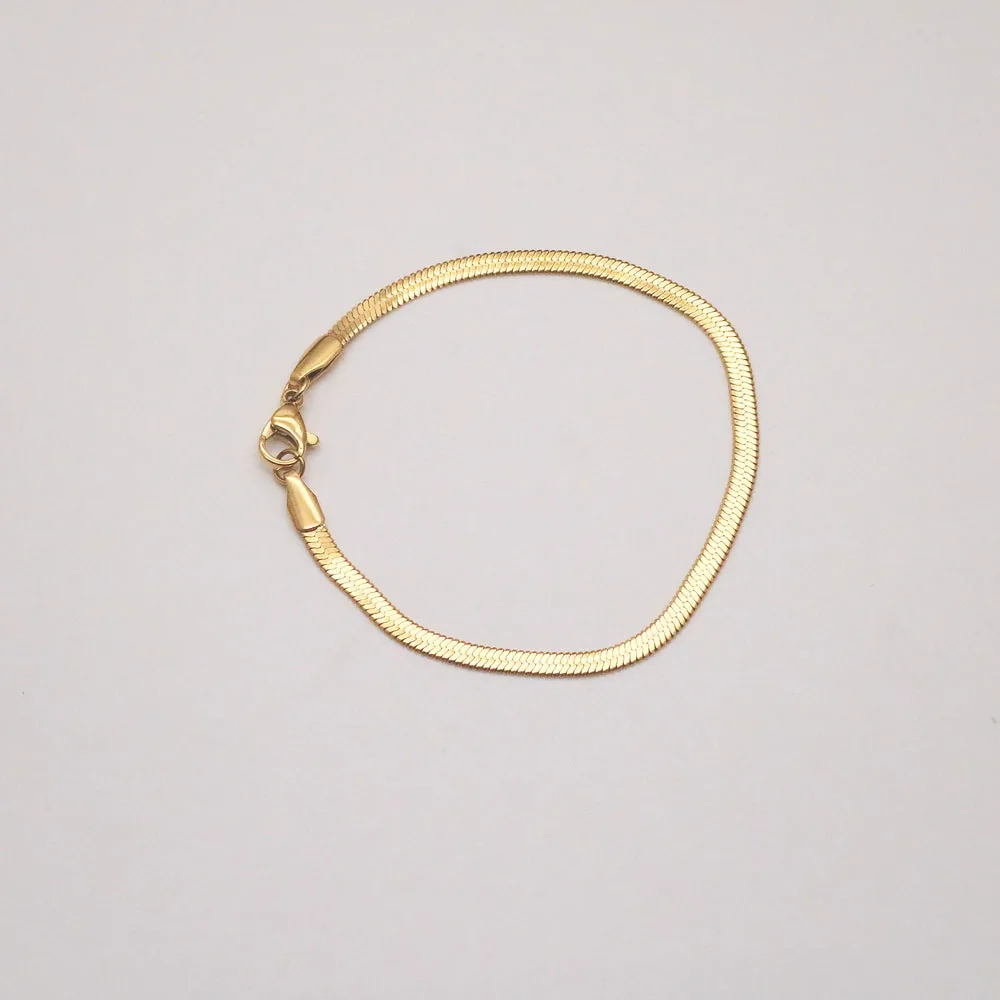
Here's the thing most people miss: you don't need a factory, a bench, or a casting house to sell jewelry wholesale to boutiques. You need a line — a curated group of pieces you can stand behind — and the discipline to sell it the way stores actually buy. I've sat on both sides of that counter: sourcing the pieces, and pitching them to buyers who've heard every exaggerated claim in the book. The brands that get in and stay in aren't the ones with the flashiest photos. They're the ones who price so the store can still make money, describe the metal honestly, and make reordering easy. This guide walks the whole path — without you ever running a machine.
Key takeaways
- You can wholesale a line you didn't manufacture. Source a ready demi-fine line at a price that leaves room for two margins — yours and the retailer's — then resell it under your own line sheet.
- Honesty travels down the chain. Describe pieces to your stockists exactly as they are — 18k-plated, CZ, freshwater or simulated pearls — because that accuracy is what protects every store that resells them.
- A clean line sheet plus real terms wins the order. Photos, wholesale and suggested retail, MOQ and terms on one page beats a dozen glossy hero shots with no numbers.
The one idea that makes this work: room for two margins
If you take nothing else from this post, take this. When you buy a line to resell wholesale, the price you pay has to leave room for two people to make money on top of you: you, and the boutique you sell to. That store still needs to mark the piece up to a shelf price a shopper will pay — usually keystone, meaning retail is double the wholesale price. So the piece has to arrive to you cheap enough that you can add your margin, hand the boutique a wholesale price, and still leave that boutique enough headroom to double it and land on a sensible retail tag.
In plain terms: if a necklace has to sell on a boutique shelf around a normal demi-fine price, and that store wants to keystone it, then the wholesale price you quote them is roughly half of that shelf price. Your own cost has to sit comfortably below the number you quote — that gap is your margin. If you source at retail, or even at a "sample" price, the math collapses and nobody downstream can breathe. I won't hand you invented percentages here, because the right numbers depend on your category and your shelf price. The principle is what matters: source low enough that two businesses can still profit above you. That's the entire game.
What you need to wholesale a jewelry line
Becoming a stockist to other stores is really an assembly job. You're not making metal; you're assembling six pieces into a professional little wholesale operation. Here's the whole kit on one page.
| Piece | What it is | How to get it |
|---|---|---|
| A sourced line | A curated group of ready-made pieces you resell under your own name — you didn't cast them, you selected them. | Buy a demi-fine line from a wholesale supplier at a price that leaves room for two margins. Start with a tight edit, not the whole catalog. |
| A line sheet | The one document a buyer needs to place an order — the wholesale equivalent of a menu. | Build one page per piece or a clean grid: photo, name, materials (stated honestly), wholesale price, suggested retail, MOQ and terms. |
| Wholesale pricing | The price you quote a store — set so both you and the retailer still profit. | Work backward from the shelf price a shopper will pay, halve it for the store's keystone, and make sure your own cost sits below that. |
| MOQ & terms | Your minimum order and your rules on payment, returns and lead time. | Set a minimum low enough to win a first trial order; write plain payment, defect and reorder terms a buyer can trust. |
| A way to reach stores | How buyers find you and see the goods in person. | Carry samples, email or walk your line sheet into local boutiques, and follow up. Professionalism and honesty do most of the selling. |
| Fulfillment | Getting the order packed and shipped once a store says yes. | Hold a little stock, or reorder from your supplier per order. Pack it clean, insert the reorder info, ship promptly. |
Building a line sheet buyers can order from
A line sheet is where amateurs give themselves away and pros close orders. It isn't a lookbook — it's a working order form. Every buyer wants the same five things per piece, fast: a clean photo, the piece name and code, the materials, the wholesale price, and a suggested retail so they can see their keystone headroom at a glance. Put your MOQ and terms in the header or footer so nobody has to ask.
The materials line is not decoration — it's the honest spine of the whole document. If a piece is 18k-gold-plated over 316L stainless steel, say exactly that. If a stone is cubic zirconia, call it CZ, never "diamond." If it's a freshwater or simulated pearl, name which. Mother-of-pearl and abalone are shell, not pearl — write "shell." Natural stones are often dyed or stabilized; note it. Say "nickel-safe," not "nickel-free," and "water-resistant," not indestructible. This isn't legal caution for its own sake. When you pass accurate descriptions to a boutique, that boutique can pass them to the shopper, and nobody ends up with a surprised, angry customer three months later. Accuracy down the chain is what protects everyone — including your reorders.
Pricing so the boutique can still keystone
Retail runs on keystone: the store doubles the wholesale price to get the shelf price. That means your wholesale number is the hinge the whole chain swings on. Quote it too high and the boutique either can't hit a sane retail price or won't make its margin — either way, no reorder. Quote it right and the buyer does the mental math in two seconds and says yes.
So price it deliberately, in this order: pick the retail price a shopper in that boutique will happily pay. Halve it — that's the wholesale price you can offer the store. Now look at what you paid your supplier: the gap between your cost and that wholesale price is your margin. If the gap is comfortable, you have a real wholesale business. If it's razor-thin, you sourced too high, and the fix is upstream — a lower landed cost, not a squeezed retailer. A supplier that publishes a suggested retail on every product makes this faster, because you can sanity-check your shelf price against theirs before you commit. For the full method, see How to Price Wholesale Jewelry.
Approaching stores — samples, professionalism, honesty
Buyers are busy and skeptical, and they should be. The winning approach is unglamorous: bring real samples they can hold, hand over a clean line sheet, and be faceted-honest about what the pieces are and aren't. When a buyer picks up a plated piece and you say "that's 18k-plated over steel, water-resistant, backed by a color warranty — not solid gold, and I'll never tell you it is," you've just earned more trust than a page of hero shots ever could. Skepticism is your opening: honesty is the thing almost nobody leads with.
Start local — boutiques you can walk into with a tray. Follow up once, politely. Offer a small trial order rather than pressuring a big first buy; a store that reorders after a good trial is worth ten that overbuy once and ghost. And if you're weighing whether to sell them outright or place goods on consignment, read Wholesale vs Consignment before you decide — the ownership and risk trade-offs are real. The broader owner's playbook lives in How to Run a Jewelry Boutique, and if you're the one sourcing the line, Wholesale Jewelry for Boutiques covers what to stock and how to read a spec sheet.
Fulfillment without a warehouse
You don't need a warehouse to be a stockist — you need a reliable supply behind you. Two models work. You can hold a modest buffer of your bestsellers so you ship the day an order lands, or you can reorder from your supplier per order and pass it through, which keeps your cash free but adds a few days. Either way, pack it clean, tuck in the reorder details and care card, and ship promptly — how you fulfill the first order is what earns the second. Sourcing that line at a low minimum, on terms, so you're not floating a big inventory bet, is exactly where a supplier like us fits; a low-minimum wholesale program lets you start a stockist business without gambling your working capital. Browse the full line any time at our shop.
More wholesale guides
- How to Run a Jewelry Boutique — the owner's playbook that ties every phase together.
- Wholesale Jewelry for Boutiques — what to stock and how to read a supplier's spec sheet.
- Wholesale vs Consignment — an honest look at ownership, margin and risk.
- How to Price Wholesale Jewelry — keystone math for healthy margins.
- Wholesale Jewelry With No / Low Minimum — test an assortment without over-committing.
- Browse the full wholesale line — the demi-fine pieces you can build a stockist line around.
Selling jewelry wholesale FAQ
Yes. You don't need a factory or a bench. You source a ready demi-fine line from a wholesale supplier, resell it under your own line sheet, and profit on the margin between your cost and the wholesale price you quote stores. The key is buying at a price that leaves room for both your margin and the boutique's.
It means the piece must arrive to you cheap enough that you can add your margin, quote the boutique a wholesale price, and still leave that boutique enough headroom to keystone it — double it to a sensible shelf price. If you source too high, one of those margins disappears and nobody downstream can make the numbers work.
One clean photo per piece, the name and code, the materials stated honestly, the wholesale price, a suggested retail so buyers see their keystone headroom, and your MOQ and terms. It's a working order form, not a lookbook — a buyer should be able to place an order from it without asking a single follow-up question.
Completely. Describe pieces exactly as they are — 18k-plated over 316L stainless steel (never "solid gold"), CZ (never "diamond"), freshwater or simulated pearls, shell rather than pearl for mother-of-pearl and abalone, nickel-safe rather than nickel-free. That accuracy travels down the chain to the shopper and protects every store that resells your line.
We keep the barrier low so you can start a stockist line without a big inventory bet: a $100 minimum order, NET-60 at 0% interest, and your first order ships with free returns. That lets you trial a curated mix, sell it through, and reorder what works before scaling up.
Not necessarily. You can hold a small buffer of bestsellers to ship same-day, or reorder from your supplier per order and pass it through to keep your cash free. A low-minimum program on terms lets you fulfill professionally without floating a warehouse of stock.
Open a Couture's Corner wholesale account
Source the demi-fine line you'll resell to stores — waterproof, nickel-safe, 18k-gold-plated pieces described honestly, priced with room for two margins. Read Wholesale Jewelry for Boutiques for what to stock, or browse the full line. $100 minimum · NET-60 terms · first order ships with free returns.
Open a wholesale account →