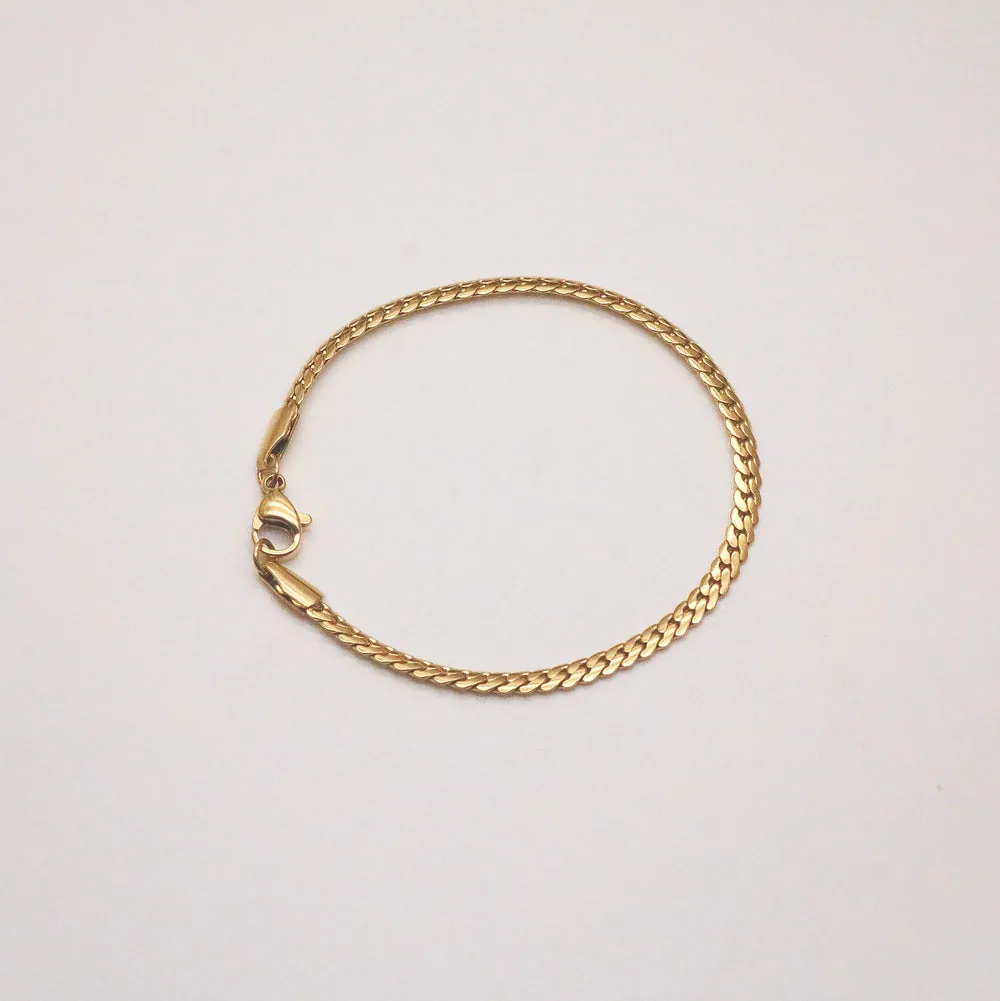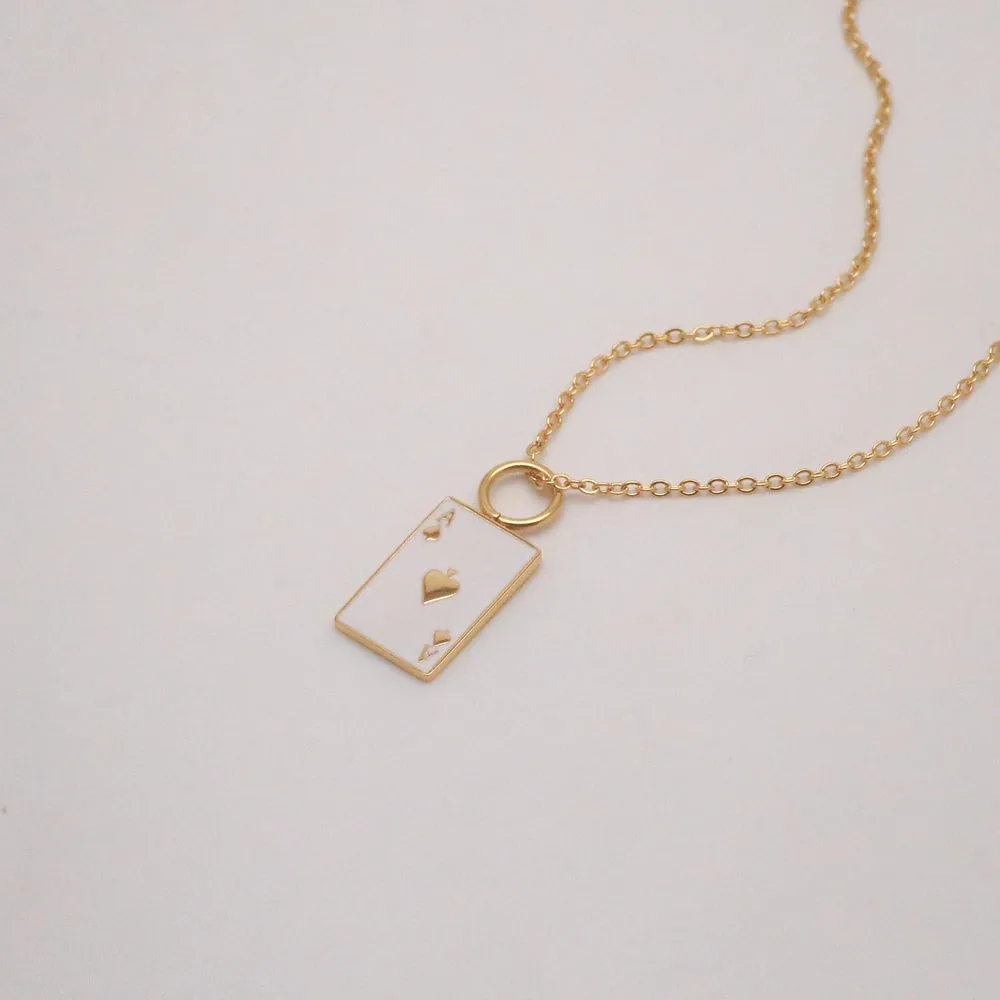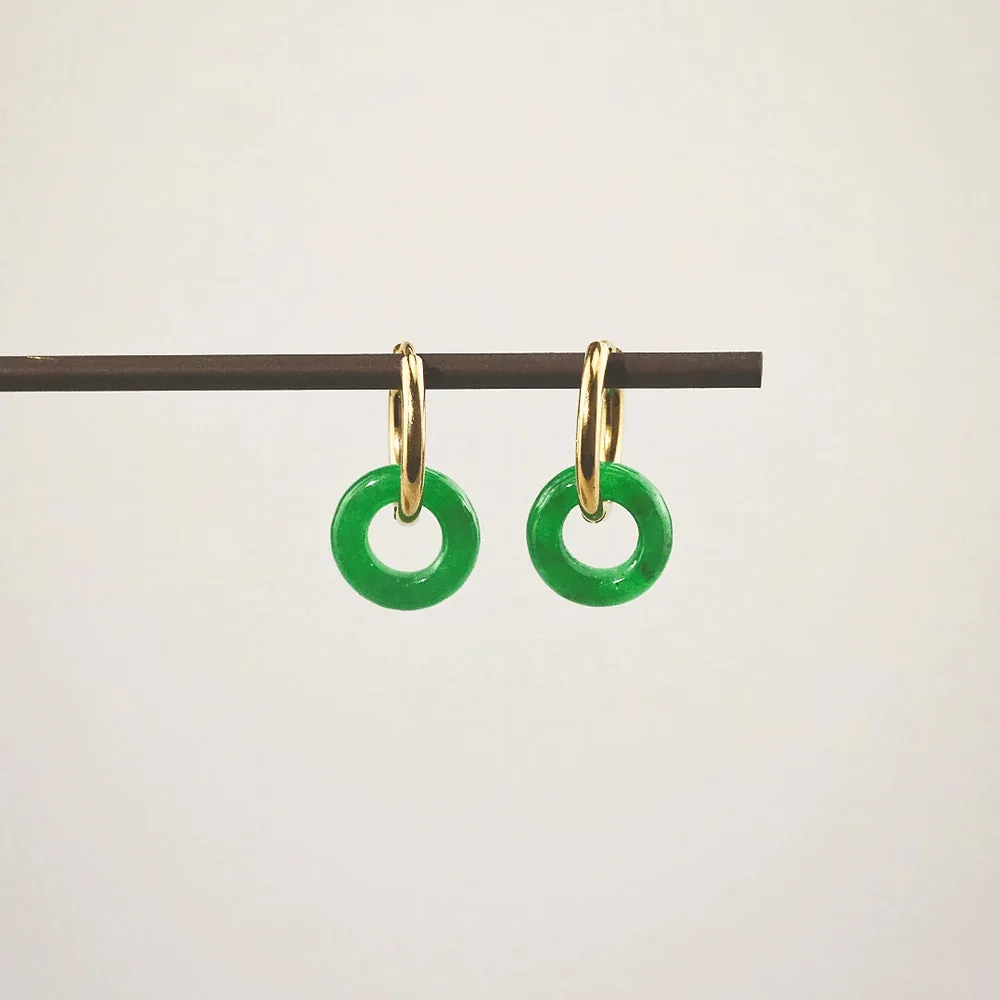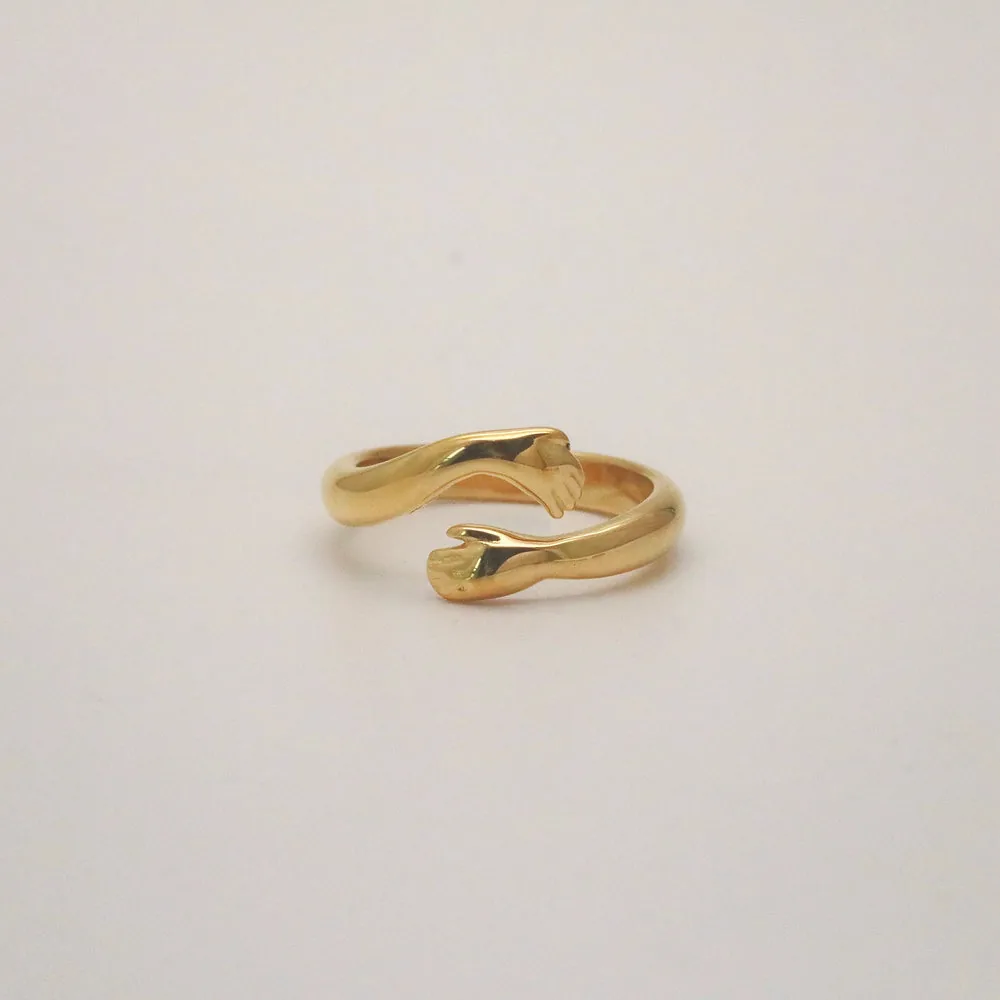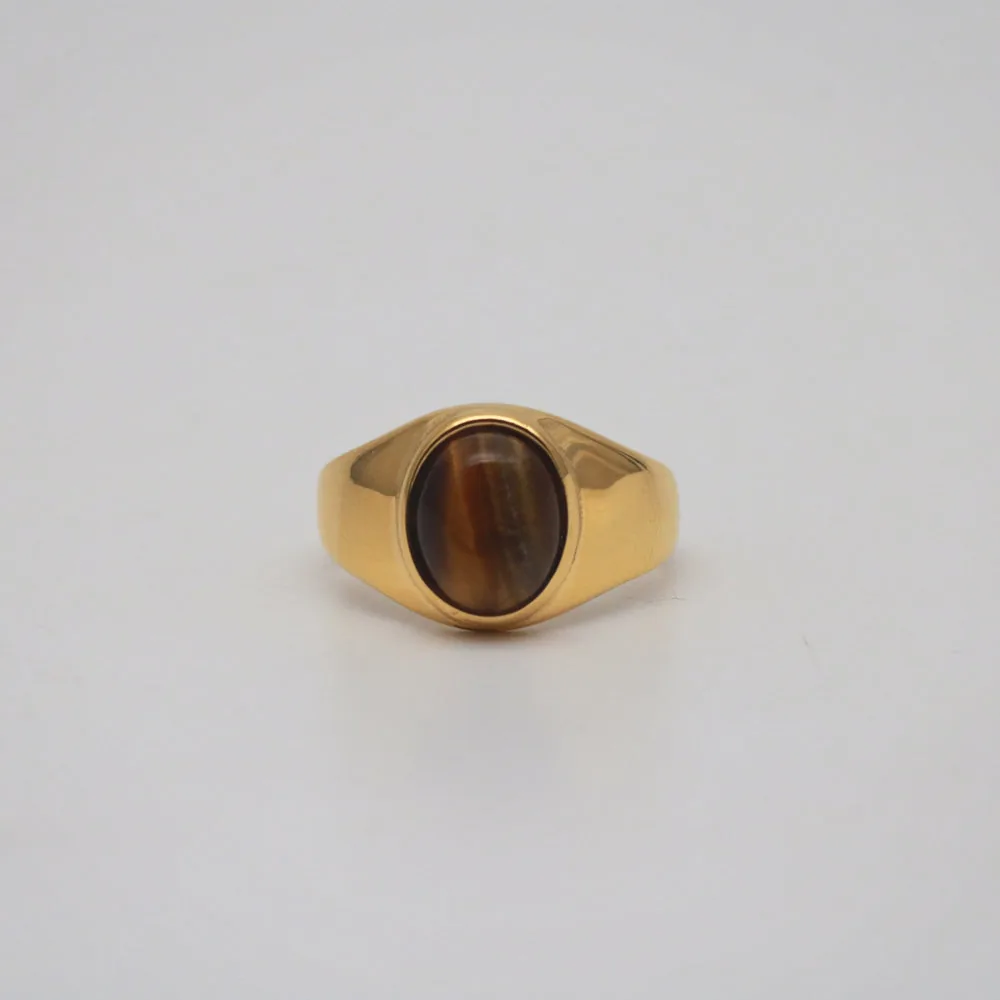
The fastest way to lose a jewelry customer is to let her believe her $34 gold-plated ring is going to look brand-new forever. It won't — nothing plated does — and when the color eventually softens, she feels lied to and asks for a refund. I've run Couture's Corner long enough to know the boutiques who win the repeat sale are the ones who tell the truth up front: this is 18k gold plated over stainless steel, it's water-resistant, not indestructible, and with a little care it'll look great for years. So let's cover the two halves that actually matter — how to make gold-plated jewelry last longer, and how to explain it to your customer without killing the sale.
Key takeaways
- Care beats luck. The enemies of plating are perfume, lotion, hairspray, chlorine and harsh cleaners — wipe dry after wear, store pieces separately, and the finish holds up far longer.
- "How long" has no fixed number. Plating wears gradually based on skin chemistry, wear frequency and care — think years of normal wear, not a promise and not a single figure anyone can honestly quote.
- Honesty sells better than hype. Say plated-not-solid, resistant-not-indestructible, backed by a 1-Year Color Warranty. Clear expectations mean fewer returns and more trust.
How gold plating actually wears (so you can explain it)
Here's the plain version I give every stockist. Gold plating is a microscopically thin layer of real 18k gold bonded over a base metal — in our case, hypoallergenic 316L stainless steel. The gold is the color you see and love. It is also, by definition, a coating. Over time and friction, that coating gently thins, and eventually the steel underneath starts to show through at the highest-contact points: the underside of a ring, the back of a chain clasp, the edge of an earring hoop.
What speeds that up isn't mystery — it's chemistry and abrasion. Perfume, lotion, sunscreen and hairspray leave a film that dulls and attacks the finish. Chlorinated pool water and saltwater are rough on any plating. So are the "polishing" dips and harsh cleaners people reach for, which can strip more gold than they save. And plain mechanical rubbing — a stack of rings grinding together in a dish, or one bracelet worn 24/7 through showers and workouts — wears the finish thin at the friction points. None of this means the piece is defective. It means it's plated, and plating is a wear surface. Once a customer understands that, everything else makes sense. If you want the deeper material breakdown, our Gold-Plated vs Vermeil vs Solid Gold guide lays out how the tiers differ.
Care habits: what helps vs what wears plating
This is the section I tell owners to photograph and keep behind the counter. Every one of these is something a customer can do for free, starting today. The rule of thumb I repeat: jewelry goes on last and comes off first — after makeup and perfume, before the shower and the gym.
| Habit | Helps or hurts | Why |
|---|---|---|
| Wipe dry after wear | Helps | A soft cloth removes sweat, oils and product residue before they sit on the finish and dull it. Ten seconds, big payoff. |
| Store separately | Helps | Pieces in their own pouch or slot can't scratch and abrade each other. Friction is the quiet killer of plating. |
| Keep off perfume / lotion / chlorine | Helps | Fragrances, oils and pool chemicals are the harshest everyday exposures. Putting jewelry on last keeps it out of the spray zone. |
| Take off for heavy cleaning / swimming laps | Helps | Water-resistant means splashes and handwashing are fine — but bleach, degreasers and long chlorine soaks are a different level of exposure. |
| Rotate pieces | Helps | Spreading wear across a few favorites means no single ring or chain takes 100% of the friction. The collection lasts longer as a whole. |
| Toss in a pile / wear one piece 24-7 | Hurts | Constant contact, abrasion and unbroken exposure to sweat, soap and water thin the plating fastest at the friction points. |
Notice none of these are exotic. That's the point — good care is a handful of small habits, and framing them as habits (not chores) is what gets a customer to actually do them. A printed jewelry care card tucked in every bag does more for your finish complaints than any premium coating ever will.
How long does gold-plated jewelry last, honestly?
This is the question every customer asks, and it's the one I refuse to answer with a fake number. Anyone who tells you plated jewelry "lasts exactly three years" is guessing — the truth is it depends on three things: skin chemistry (some people's body chemistry and sweat are harder on plating than others), how often and how hard it's worn (a daily-driver ring vs. an occasional necklace), and care (the habits in the table above).
So the honest answer I coach owners to give is a range, not a promise: "With normal wear and a little care, expect it to look great for years. It's a coating, so the color will soften eventually, especially on pieces you wear every single day — that's plating doing what plating does, not a defect." That framing does two jobs at once. It sets a genuinely positive expectation — years, plural — and it pre-empts the disappointment that fuels returns. Under-promise on "forever," over-deliver on care, and you've built trust instead of a refund. If your customers live in swimsuits and gym clothes, steer them toward the pieces built for it — our waterproof jewelry wholesale range holds up to real everyday water exposure.
How to tell customers the truth without losing the sale
Owners get nervous here, because "plated, not solid gold" sounds like a downgrade. It isn't — it's the whole reason demi-fine exists: the look of fine gold at a price a boutique can actually stock and a customer can actually afford. Here's the script I use, and it closes more sales than any inflated claim:
- Lead with what it is, proudly. "This is demi-fine — 18k gold plated over hypoallergenic 316L stainless steel. It's the fine-jewelry look without the fine-jewelry price." Confidence, not apology.
- Be precise about water. Say water-resistant, not waterproof or indestructible. "Splashes, handwashing, a rain shower — totally fine. I'd take it off for laps in a chlorinated pool." Precision reads as expertise.
- Name the metal honestly. Our steel is nickel-safe — it's low-nickel-release and meets the EU standard for direct skin contact — but it isn't literally "nickel-free," and I never claim it is. Same with the stones: CZ is a beautiful diamond simulant, not a diamond; mother-of-pearl and abalone are shell. Honest naming protects you legally and builds trust.
- Back it with the warranty. "It's covered by a 1-Year Color Warranty." Note the word color — it's a warranty against the finish failing prematurely, not a promise of forever. Say it that way and it lands as reassurance, not a loophole.
The wedge here is simple math: honest expectations mean fewer returns and more trust, and trust is what turns a one-time buyer into a repeat customer. A boutique that says "here's how to make it last, and here's what to realistically expect" outsells the one shouting "lasts forever!" every time — because the second one is quietly training its customers to feel cheated. This mindset runs through everything in how to run a jewelry boutique, if you want the bigger picture.
More wholesale guides
- How to Run a Jewelry Boutique — the pillar guide
- Gold-Plated vs Vermeil vs Solid Gold — what the tiers really mean
- The Jewelry Care Card to Hand Out — a ready-to-print insert
- Waterproof Jewelry Wholesale — pieces built for everyday water
- Browse the full wholesale line & see what's in stock
Frequently asked questions
Keep it off perfume, lotion, hairspray, chlorine and harsh cleaners; wipe it dry with a soft cloth after wear; store pieces separately so they can't scratch each other; and rotate your favorites so no single piece takes all the friction. Put jewelry on last and take it off first — those small habits do more than any premium coating.
There's no single honest number — it depends on skin chemistry, how often it's worn, and how it's cared for. With normal wear and a little care, expect it to look great for years. The color will soften eventually, especially on daily-wear pieces, because plating is a coating that thins gradually. That's plating being plating, not a defect.
Our pieces are water-resistant, so splashes, handwashing and a rain shower are fine. I'd still take it off for long soaks in chlorinated pools, saltwater or hot tubs, and for heavy cleaning with bleach or degreasers — those are much harsher exposures than everyday water. Water-resistant means resistant, not indestructible.
It's demi-fine: 18k gold plated over 316L stainless steel — not solid gold. The steel is nickel-safe, meaning it's low-nickel-release and meets the EU standard for direct skin contact, but it isn't literally nickel-free, and we never claim it is. Being precise about this is how you keep customers' trust and stay on the right side of the law.
It covers the finish against premature failure — the "color" part is deliberate. It is not a promise that the plating lasts forever; normal gradual wear over years is expected on any plated piece. Framing it to your customer as "backed for a year against premature color loss" sets an honest expectation and heads off refund requests.
We keep it simple for boutiques: a $100 minimum order, NET-60 payment terms at 0% interest, and your first order ships with free returns so you can test the line risk-free. It's designed to let a new stockist try demi-fine without tying up cash up front.
Open a Couture's Corner wholesale account
Stock demi-fine your customers will actually keep — and hand them our jewelry care card so it lasts. Browse the full line, then open an account: $100 minimum · NET-60 terms · first order ships with free returns.
Open a wholesale account →