Every boutique owner I talk to eventually asks the same question: should I sell jewelry on Etsy or Shopify? And they usually want me to just pick one for them. I won't, because the honest answer depends on where your shop is right now — whether you're validating your first assortment or building a brand you want to own for the next decade. I've watched sellers thrive on both and stall on both, and the difference almost never came down to the platform's features. It came down to matching the platform to the stage. So instead of a winner, here's the trade-off laid out plainly, so you can choose the one that fits your shop this season and know when it's time to switch.
Key takeaways
- Etsy rents you traffic; Shopify makes you build it. Etsy's marketplace puts your jewelry in front of ready-to-buy shoppers on day one, but you pay for that reach in fees and control — and you don't own the customer.
- Shopify is a brand, not just a store. Full control of design, data, and the customer relationship — but the traffic is entirely your job, so it rewards owners ready to market.
- The real answer is often "both, in sequence." Validate demand on Etsy, build the brand on Shopify, and let each do what it's best at — whichever you pick, you still need stock that sells, sourced on terms that protect your cash.
Etsy: rented traffic, an easy start, and a customer you don't own
Etsy's single biggest gift to a new jewelry seller is the one thing that's hardest to build from scratch: an audience that's already shopping. People land on Etsy typing "gold hoop earrings" or "dainty layering necklace" into the search bar, wallet out. You don't have to run an ad or rank a website to get in front of them — you list, you get found, you can make your first sale in a way that would take months on your own site. For validating whether an assortment sells, whether your photos convert, whether your price points land, that built-in demand is genuinely hard to beat, and the setup is a weekend, not a project.
The catch is the trade you're making for it. Etsy is a marketplace, so you're paying it — a listing fee, a transaction cut, payment processing, and more if you opt into Etsy's ads — and those layers stack up on every sale (check Etsy's current fee schedule directly, because the exact numbers change and I won't quote a figure that's stale by the time you read this). You also live inside Etsy's rules and Etsy's look: limited branding, a storefront that resembles every other shop, and search you don't control. The deepest cost is subtler. When a customer buys from your Etsy shop, they're often Etsy's customer, not yours — you don't reliably own their email to market to again. You can build a lovely business on Etsy, but you're building it on rented land.
Shopify: your own store, your own brand, your own traffic problem
Shopify flips every one of those trade-offs. It gives you a real store on your own domain: full control of the design, the product storytelling, the checkout, the upsells, and — the part that compounds — the customer relationship. Every email and every order is yours to keep and market to. That's how you turn a first-time gift buyer into someone who reorders the matching earrings at the holidays, and it's the asset that makes a jewelry business genuinely yours rather than a channel that can change its rules on you overnight. You're building a brand people can find and return to by name, which is exactly the demi-fine story a boutique wants to tell.
The honest cost is right there in the freedom: nobody is going to bring you traffic. There's a monthly subscription and payment processing (again, check Shopify's current pricing rather than trust a number from a blog post), but the real bill is the marketing you now have to do yourself — SEO, email and SMS, social, local presence. An empty Shopify store is a beautiful shop on a street with no foot traffic until you build the street. That's not a flaw; it's the deal. Shopify rewards the owner who's ready to do the marketing work, which is why I steer sellers toward it once they've proven the product sells and want to own the growth. A Google Business Profile and a sustainable content calendar are two of the cheapest ways to start feeding that store.
Shopify vs Etsy for a jewelry boutique, side by side
Here's the whole trade-off on one screen. Read it as "which of these constraints can I live with right now?" — not "which one wins," because they win at different stages.
| Factor | Etsy | Shopify |
|---|---|---|
| Built-in traffic | Yes — a marketplace of ready-to-buy shoppers finds you | None — all traffic is yours to drive |
| Ease of start | Very fast — list and sell in a weekend | More setup — a real store to design and stock |
| Fees (directional) | Listing + transaction + processing, layered per sale (check current fees) | Monthly subscription + processing; plus your marketing spend (check current fees) |
| Control & branding | Limited — Etsy's look and rules | Full — your domain, design, and checkout |
| Own the customer? | No — often Etsy's customer, not yours | Yes — the email and order history are yours |
| Best for | Validating an assortment and making early sales fast | Building a lasting brand you own and market |
Which fits which stage — and why "both" is the honest answer
Here's how I actually coach it. If you're early and testing — you're not yet sure which pieces move, and you want sales before you invest in a website — Etsy is the faster, lower-risk on-ramp. Let the marketplace tell you what sells. If you're ready to own your growth — you know your bestsellers, you're prepared to do the marketing, and you want to build a brand and a customer list that's yours — Shopify is where that gets built. Neither is "better"; they suit different moments in the same business's life.
And the reason so many successful jewelry sellers run both is that the two aren't really rivals — they're a pipeline. Etsy can be your discovery channel, catching new shoppers who search generically; Shopify is where you deepen the relationship and keep the margin and the customer. Plenty of owners validate on Etsy, migrate their proven winners to a Shopify store, and then keep an Etsy presence purely for the top-of-funnel traffic. The extra work of two channels is real, so don't split your attention before you've proven the product — but "test on Etsy, build the brand on Shopify" is the pattern I've watched work most reliably. Both roads run through the same operational spine, which is why this comparison sits inside our broader how to run a jewelry boutique playbook.
Whichever you pick, it lives or dies on stock that sells
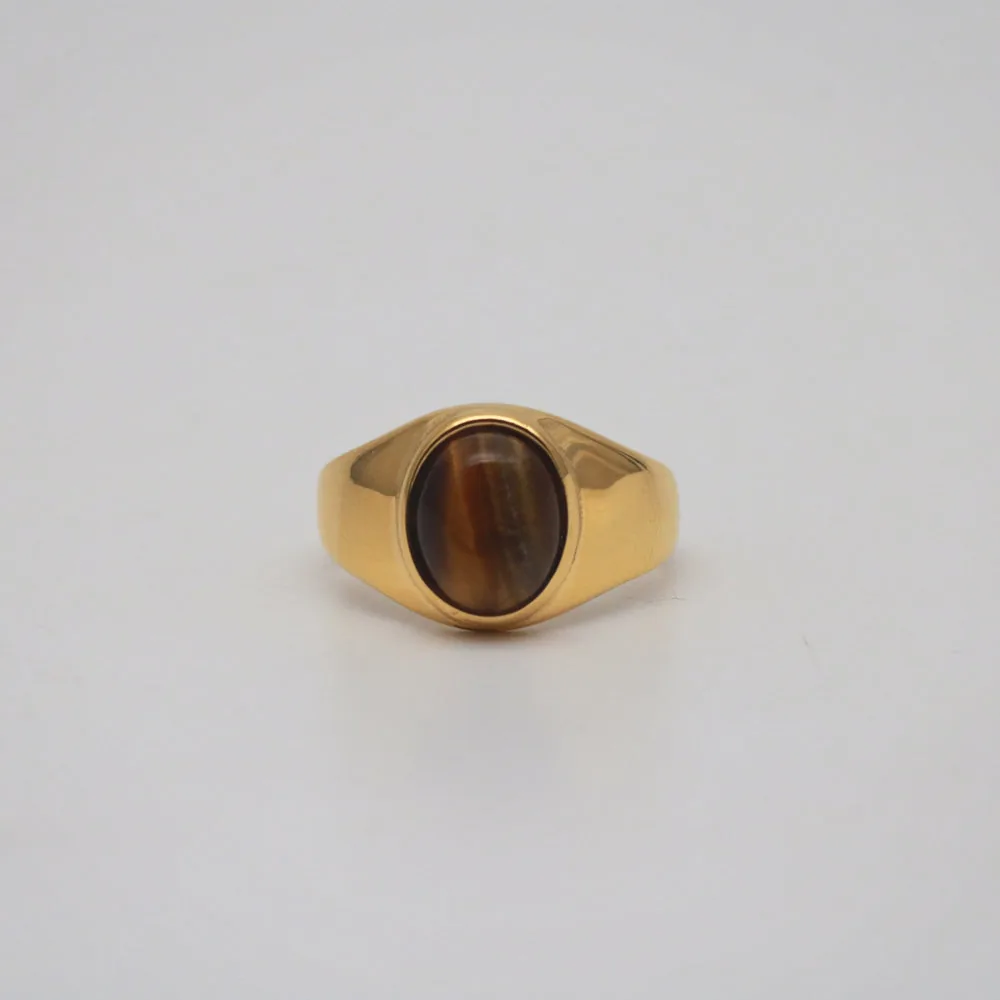
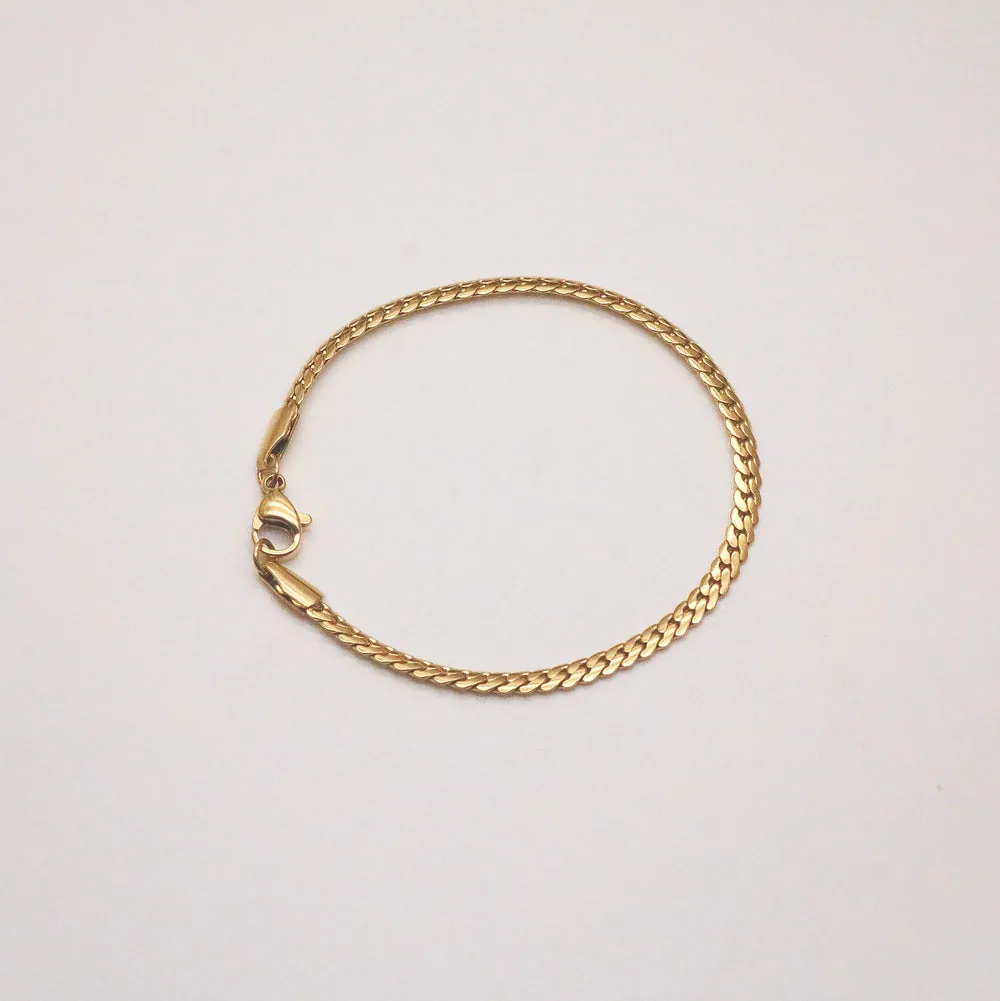
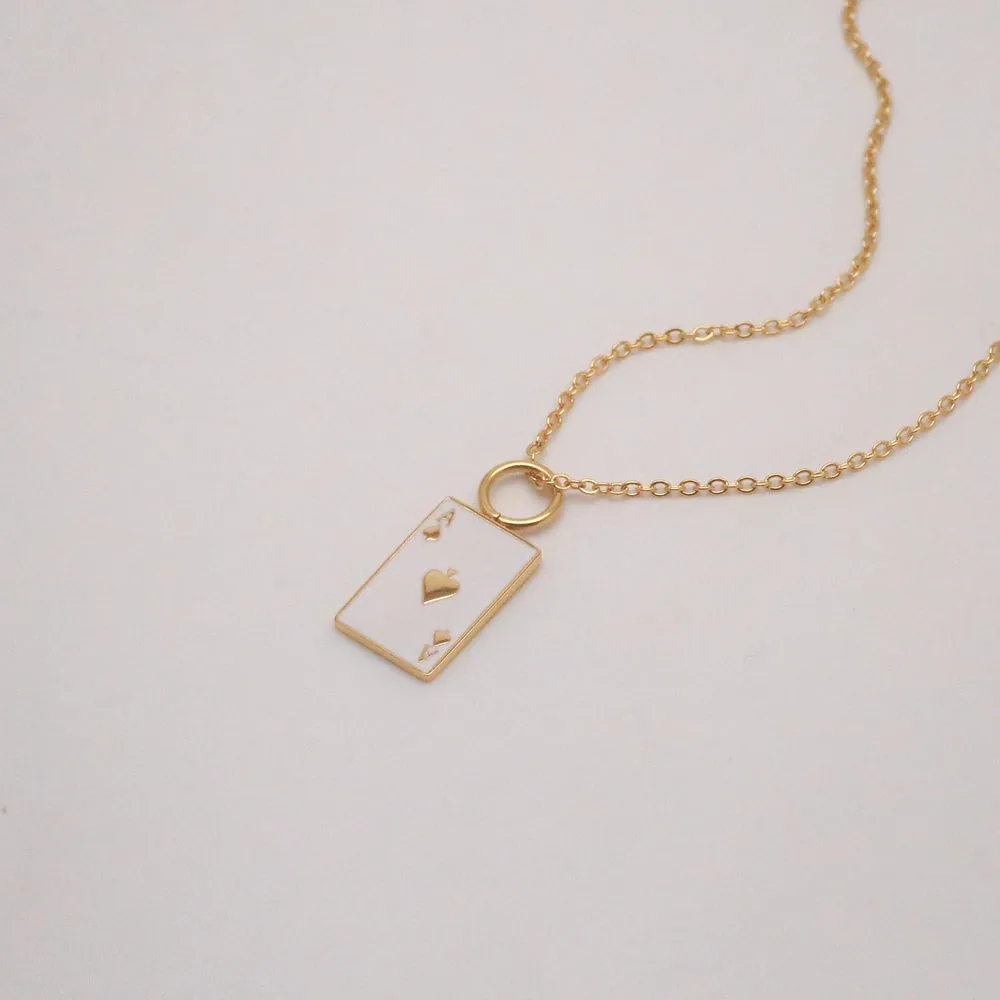
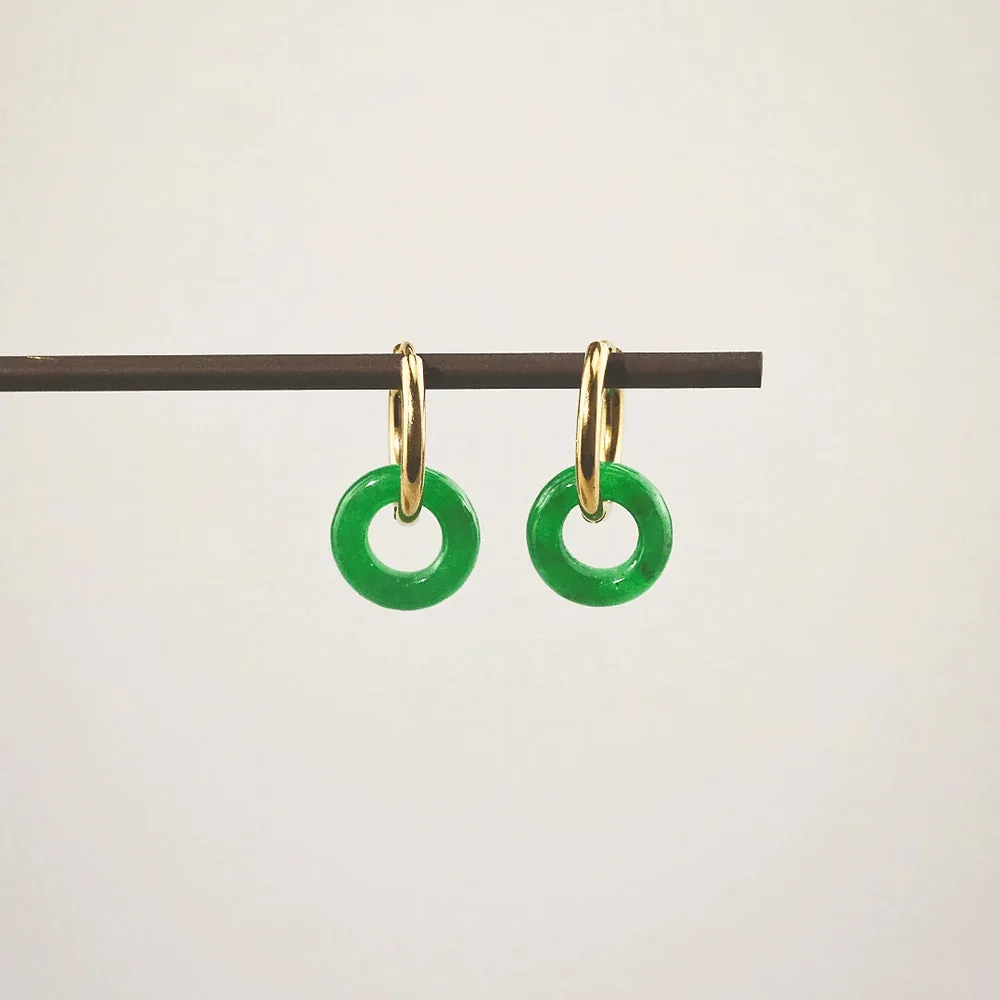
Here's the part the platform debate quietly skips: neither Etsy nor Shopify sells a single piece for you. What sells is inventory your customer actually wants, described honestly, bought on terms that protect your cash — and that's identical on both platforms. A slow, over-bought assortment sinks a Shopify store and an Etsy shop equally. So before you agonize over the platform, get the buy right: own a fast-turning core — hoops and studs, dainty pendants, stackable rings — and describe it exactly as it is.
For our line, that means 18k-gold-plated 316L stainless steel — plated, not solid gold — with cubic-zirconia sparkle (not diamond) and freshwater or simulated pearls; water-resistant rather than indestructible, and nickel-safe for sensitive skin rather than "nickel-free," because 316L contains nickel, it simply releases very little. Honest listings convert on both platforms and, just as importantly, they don't come back as returns. The terms of the buy matter just as much: Couture's Corner runs a $100 minimum, offers NET-60 at 0% interest, and ships your first order with free returns — built so you can trial an assortment on Etsy or Shopify before you commit your cash to scaling it. If your eventual goal is to sell into other stores too, that's a different playbook: our guide on how to sell your jewelry wholesale to boutiques covers it, and you can always browse the full line to map pieces to your price points.
More wholesale guides
- How to Run a Jewelry Boutique — the owner's playbook this comparison sits inside.
- How to Sell Your Jewelry Wholesale to Boutiques — when your line is ready to sell into other stores.
- Local SEO for a Jewelry Boutique — the DIY Google Business Profile playbook to feed your store.
- Social Media Content Calendar — 30 days of posts you can actually sustain.
Shopify vs Etsy for jewelry FAQ
Neither is universally better — they fit different stages. Etsy gives you a built-in marketplace of ready-to-buy shoppers, so it's the faster, lower-risk way to validate an assortment and make early sales. Shopify gives you full control, your own brand, and ownership of the customer, but you must drive all the traffic yourself. Match the platform to where your shop is right now rather than looking for a single winner.
It depends on your volume and how much marketing you'd do either way, and fees change often, so check each platform's current schedule directly. Etsy layers listing, transaction, and processing fees onto every sale; Shopify charges a monthly subscription plus processing, but the bigger real cost is the marketing you do to bring your own traffic. Run your own numbers at your expected volume rather than trusting a fixed figure from a blog post.
Yes, and many successful sellers do. A common pattern is to use Etsy as a discovery channel for shoppers searching generically, then build the brand and keep the customer relationship on Shopify. The extra work of two channels is real, so it's usually wiser to prove your product on one first — often Etsy — before splitting your attention across both.
Jewelry is a repeat and gifting category, so the customer who buys once is often worth more the second and third time — the matching earrings, the holiday reorder. On Shopify you keep that customer's email and order history to market to directly. On Etsy, the buyer is often the marketplace's customer, not yours, which makes repeat marketing harder. Owning the relationship is the asset that compounds over years.
If you're still validating which pieces sell and want revenue before investing in a website, Etsy's built-in traffic makes it the faster on-ramp. Let the marketplace tell you what moves. Once you know your bestsellers and you're ready to do the marketing work, move those proven winners onto a Shopify store you own. Test on Etsy, build the brand on Shopify is the sequence I've watched work most reliably.
Both platforms live on inventory your customer actually wants, described honestly, bought on terms that protect your cash — a fast-turning core like hoops, dainty pendants, and stackable rings. Look for a low minimum, real net terms, and a genuine returns policy. Couture's Corner runs a $100 minimum with NET-60 at 0% interest, and your first order ships with free returns, so you can trial an assortment on Etsy or Shopify before you commit cash to scaling it.
Open a Couture's Corner wholesale account
Whichever platform you sell on, stock the fast-turning, honestly-described demi-fine core it needs. See how the pieces fit your shop in our how to run a jewelry boutique playbook, or browse the full line to map MSRPs to your price points. $100 minimum · NET-60 terms · first order ships with free returns.
Open a wholesale account →