A text lands differently than an email. It goes straight to the phone in someone's hand, it gets read in seconds, and it interrupts whatever they were doing. That power is exactly why SMS marketing for boutiques is so easy to get wrong. Email is a room your customer can wander into when they feel like it; a text is a tap on the shoulder. Used a couple of well-chosen times a month for genuinely time-sensitive things — a new-arrival drop, a back-in-stock alert, a VIP early look — it feels like a friend with good taste texting you. Used too often, or with fake countdowns, it feels like a stranger who won't stop, and they'll hit STOP. Here's how I'd run it.
Key takeaways
- SMS is for time-sensitive, not for storytelling. Texts earn their attention with immediacy — drops, back-in-stock, VIP early access, event and appointment reminders — while email carries the stories, care guides, and longer sells.
- Consent and cadence are the whole game. Explicit opt-in, a clear sender name, an easy STOP, and honest restraint (a few texts a month, never fake scarcity) are what keep your list from unsubscribing in a huff.
- Your texts are only as good as your stock. "New arrivals" and "back in stock" only land if you actually have fresh, fast-turning pieces to announce — which is a sourcing question before it's a marketing one.
Why SMS is a scalpel, not a megaphone
The reason a text works is the same reason it can backfire: it's intimate and immediate. Someone gave you their personal number — the same one their family and closest friends use. That's a bigger ask than an email address, and it comes with a bigger obligation. I won't quote you an open-rate figure, because the honest truth is it varies wildly by list and industry and half the numbers floating around are marketing puffery. What I'll say from watching boutiques do this is simpler: people almost always see a text, and they remember how the last few made them feel. Get it right and a drop text can clear a small run of a hot piece before lunch. Get it wrong — text daily, cry wolf about "last chance" on stock you have plenty of — and you train people to ignore you or opt out, and you don't get that number back.
So treat SMS as a scalpel. Reach for it only when timing genuinely matters and the message is worth an interruption. If a customer would be a little annoyed to get pulled out of their day for it, it belongs in email, not a text. That single filter — is this worth interrupting them? — will keep your list healthy longer than any clever copy.
The four texts worth sending
Almost everything valuable a boutique sends by SMS falls into four buckets, and they all share one trait: acting now beats acting later.
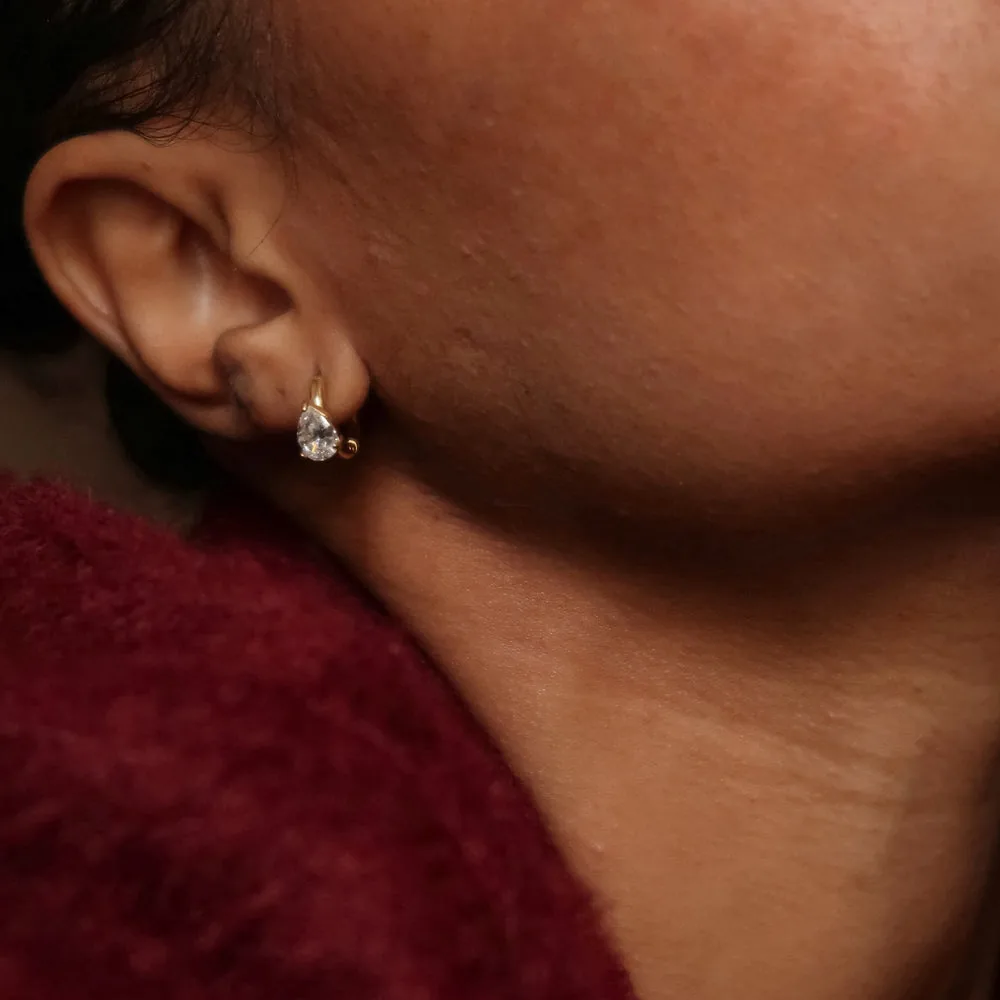
New-arrival drops. This is the flagship. When a fresh batch hits the case — a run of pear-cut huggies, a restocked dainty pendant, the first of a seasonal color — a short text with one great photo and a link is the fastest way to move it while it's exciting. Keep it to the point: "New in — gold huggies just landed. First look before they hit the socials: [link]." One product, one photo, one link.
Back-in-stock alerts. The most welcome text you can send, because the customer asked for it. When someone wanted a sold-out piece, let them tap "text me when it's back," and the moment it returns, they hear first. It's genuinely helpful, the intent is already there, and it converts without any pressure at all. If you're building that "notify me" capture, my guide on how to build an email & SMS list covers doing it cleanly.
VIP early access. Your texting list should feel like a velvet rope, not a bullhorn. Let them shop a drop, a restock, or a sale an hour or a day before everyone else. It rewards the people who trusted you with their number and gives the list a reason to exist beyond "more ads." "VIP early access — the new arrivals are live for you before we post them anywhere else."
Event & appointment reminders. The quiet workhorse. A trunk show this Saturday, a piercing appointment tomorrow, a styling event tonight — these are logistics people actually want in their pocket, and a well-timed reminder text lifts turnout more than another email nudge ever will.
Consent, cadence & the easy STOP
This is the part I'd tattoo on the wall if I could, because it's both the right thing and the thing that keeps you out of trouble. SMS is regulated more tightly than email for a reason, and the rules are basically common decency written down.
Get explicit opt-in. Someone has to knowingly agree to receive texts — a checked box they checked themselves, a keyword they texted to join, a form where "yes, text me" is clearly its own choice. Never scrape numbers from orders or DMs and start texting; consent to buy is not consent to be marketed to. Identify yourself in the first message and ideally every message — "It's Couture's Corner" — so no one wonders who's texting. Make STOP effortless and honor it instantly; every reputable texting platform handles the STOP keyword automatically, and a one-tap exit actually builds trust rather than draining your list. And be honest about cadence: tell people roughly how often you'll text when they sign up, then keep that promise. A few messages a month is plenty for most boutiques; the goal is that every text feels like an event, not a nag.
One more, because it's the difference between a list people love and one they flee: no fake scarcity. Don't invent a countdown timer, don't claim "only 2 left" when you have a drawer full, don't cry "last chance" every week. Real urgency — a genuinely small run, a real event date, a truly limited restock — is powerful because it's rare and true. The moment your customers catch one fake "selling fast," every future text loses its credibility, and there's no earning that back over SMS.
When to text vs when to email
The cleanest way to keep both channels healthy is to give each the job it's built for: SMS carries the time-sensitive, email carries the story. Here's how I'd sort the messages a boutique actually sends.
| Message | Text or email? | Why |
|---|---|---|
| New-arrival drop | Text (and email) | Excitement is time-sensitive; a text gets the first look out while it's hot, then email carries the fuller lookbook |
| Back-in-stock | Text | The customer asked to be notified; immediacy is the whole value, and intent is already high |
| Sale / event | Text for the reminder, email for the details | A short "it's live / it's tonight" text drives action; email explains the terms and shows the pieces |
| Story / education | Care guides, your brand story, styling ideas need room to breathe — an interruption text is the wrong container | |
| Order / shipping update | Text (transactional) | Genuinely useful, expected logistics info — keep it factual and separate from marketing consent |
| Win-back | Email first, text sparingly | Re-engaging a quiet customer needs a warmer, longer nudge; a cold marketing text risks a STOP instead |
Notice the pattern: SMS shines when the value is the timing, and email shines when the value is the substance. If you're wiring up the automated sequences behind both, my walkthrough of email flows for jewelry boutiques is the companion piece — a welcome flow and an abandoned-cart nudge do the patient work that a single text can't.
How SMS and email work as a pair
The mistake I see is treating them as rivals — picking one, or blasting the same message to both. They're partners with different temperaments. Email is where you build the relationship over time: the welcome sequence that introduces your shop, the styling stories, the care guides that teach a customer how to make a plated piece last, the slow win-back of someone who drifted. SMS is where you convert a moment: the drop is live, the piece she loved is back, the event is tonight. Email earns the right to text; the text cashes it in.
In practice, the two feed each other. A great email flow grows a list of people who trust you, and the most engaged of those are exactly who should opt into VIP texts. A drop text can point to a fuller email lookbook for the browsers who want to linger. And the same loyal customers you're texting first are the ones you're trying to keep — which is really a retention project. If that's where your head is, turning one-time buyers into repeat customers is the strategy this all serves. The channels are tactics; the goal is a customer who keeps coming back.
The unglamorous truth: it all rides on your stock
Here's the part no marketing article wants to admit. Every one of these texts — the drop, the back-in-stock, the VIP look — is a promise about your inventory. "New arrivals" only thrills people if you genuinely have something new and good to show. "Back in stock" only works if you can actually restock the piece they wanted. VIP early access is only a reward if what's behind the rope is worth being early for. You cannot text your way out of a thin, stale case; you can only announce what's really there.
So the engine under a good SMS program is a supply that lets you drop something fresh often and restock the winners fast, without tying up cash you don't have. That's the whole reason our terms are built the way they are — a low minimum so you can test a new run before you commit, and real net terms so a back-in-stock reorder doesn't wait on your cash flow. Fill the case with fast-turning, honestly-described pieces from the full wholesale line, and suddenly you always have a reason to text. For how sourcing, marketing, and everything else fit together, the how to run a jewelry boutique pillar is the map.
More wholesale guides
- How to Run a Jewelry Boutique — the owner's playbook from sourcing to growth.
- Build an Email & SMS List — capture opt-ins cleanly so you have someone to text.
- Email Flows for Jewelry Boutiques — the automated welcome & cart nudges SMS can't replace.
- Turn One-Time Buyers Into Repeat Customers — the retention goal every text serves.
- Browse the full wholesale line — the fresh, fast-turning stock behind every drop.
SMS marketing for jewelry boutiques FAQ
Less than you think. A few messages a month is plenty for most boutiques, and every one should be genuinely time-sensitive — a new-arrival drop, a back-in-stock alert, a VIP early look, or an event reminder. Tell people roughly how often you'll text when they opt in, then keep that promise. The goal is that each text feels like an event worth the interruption; text daily and you train people to ignore you or hit STOP, and you don't get that number back.
Explicit, knowing opt-in — a box the customer checked themselves, a keyword they texted to join, or a form where agreeing to texts is clearly its own choice. Someone buying from you is not consent to market to them by text. Identify yourself in your messages, make the STOP keyword work instantly and honor it, and be honest about how often you'll send. Any reputable texting platform handles STOP and opt-in records automatically; use one rather than texting from your personal phone.
Both, doing different jobs. Send a short SMS with one photo and one link to get the first look out while the drop is exciting — that immediacy is what SMS is built for. Then let email carry the fuller lookbook for the browsers who want to linger over the whole collection. As a rule, SMS handles anything where the value is the timing; email handles anything where the value is the substance, like stories, styling, and care guides.
Yes — it's the fastest way to kill a texting list. A fake countdown, "only 2 left" when you have plenty, or "last chance" every week teaches customers that your urgency means nothing, and once they catch one lie every future text loses its credibility. Real urgency — a genuinely small run, a true event date, an actually limited restock — works precisely because it's rare and honest. Save the pressure for when it's true, and your texts stay believable.
They're the most welcome text you can send, because the customer explicitly asked for it. When a piece sells out, offer a "text me when it's back" option; the moment it returns, they hear first. The intent is already there, so it converts without any pressure — you're being helpful, not pushy. The one requirement is that you can actually restock the piece, which is a sourcing question: you need a supplier who can reorder the winners quickly.
A steady stream of texts needs a steady stream of stock to announce, so our terms are built to let you drop and restock without straining cash flow. We run a $100 minimum order with NET-60 at 0% interest, and your first order ships with free returns — so you can test a fresh run before you commit and reorder the winners fast. Everything is demi-fine: 18k-gold-plated 316L stainless steel (plated, not solid gold), CZ sparkle rather than diamond, and a nickel-safe, water-resistant finish backed by a 1-Year Color Warranty.
Open a Couture's Corner wholesale account
Every drop text is a promise about your inventory — so keep the case full of fast-turning pieces worth announcing. Start with the sourcing side in how to run a jewelry boutique, or browse the full wholesale line to see what's worth a "new arrivals" text. $100 minimum · NET-60 terms · first order ships with free returns.
Open a wholesale account →