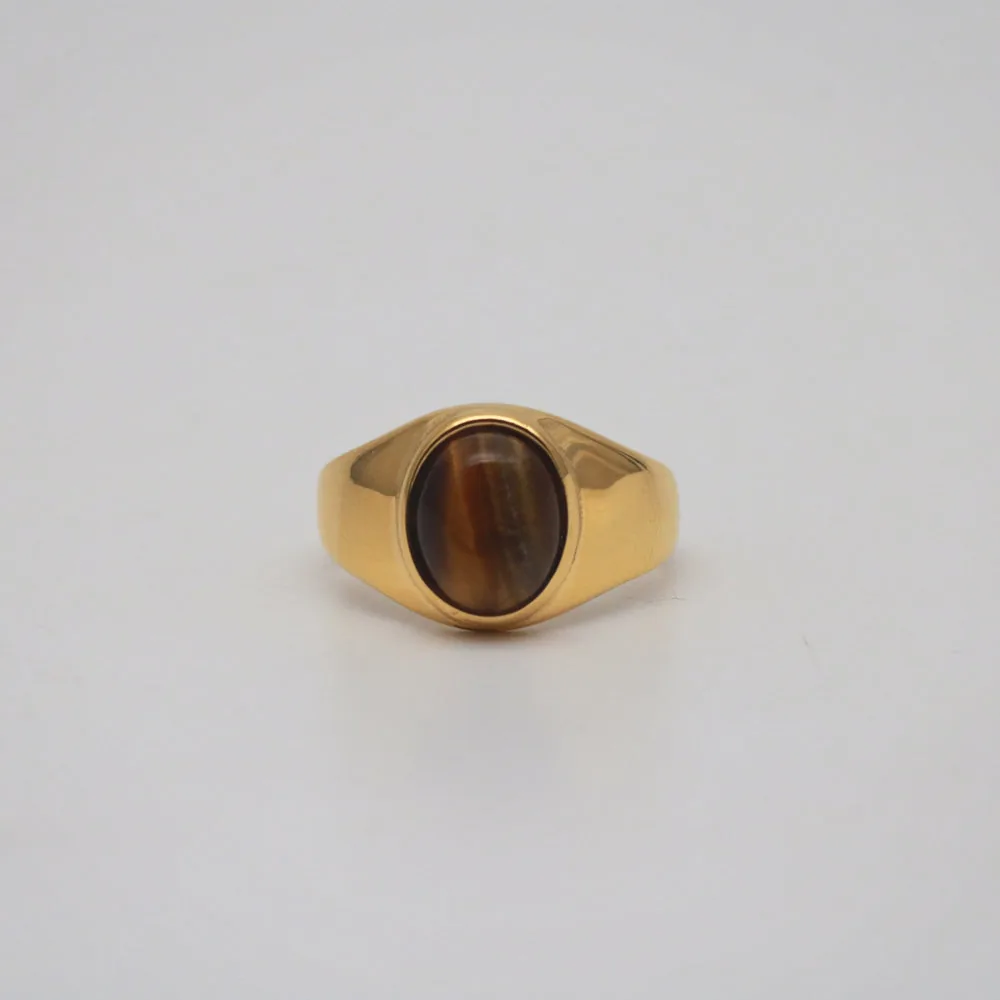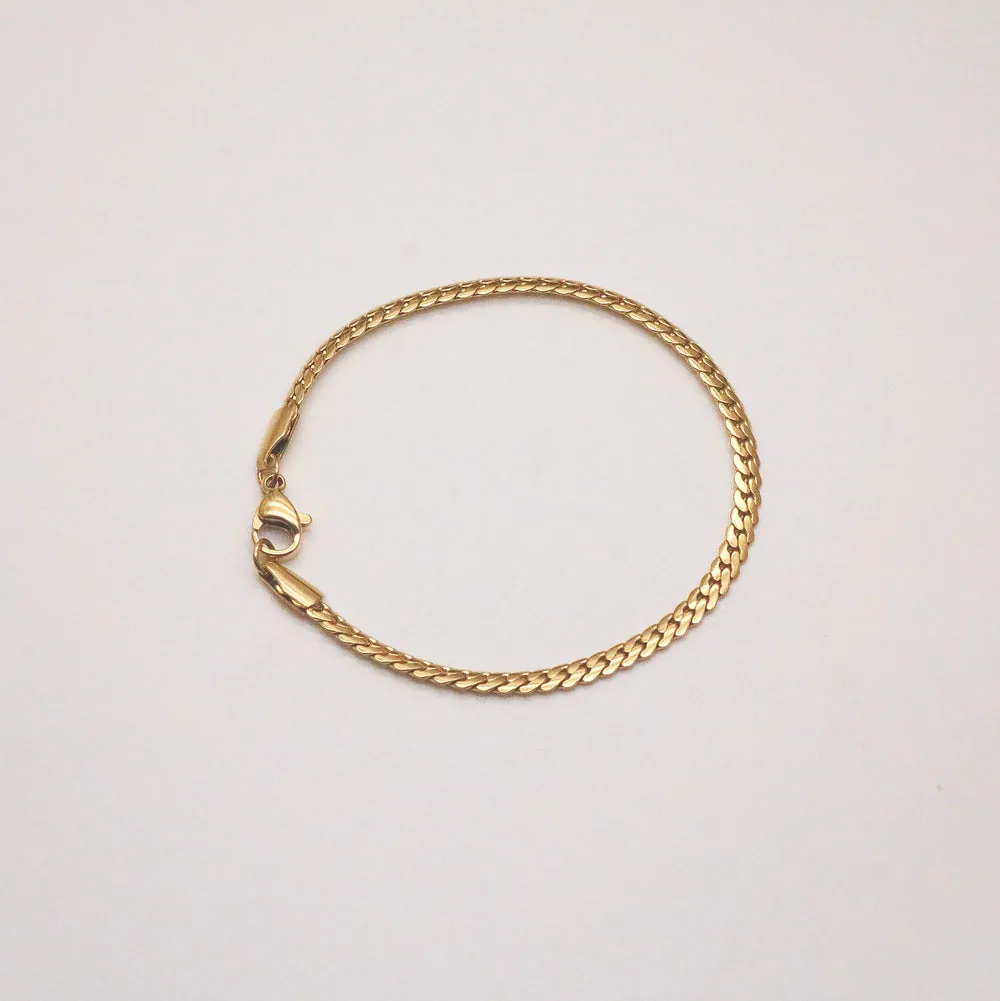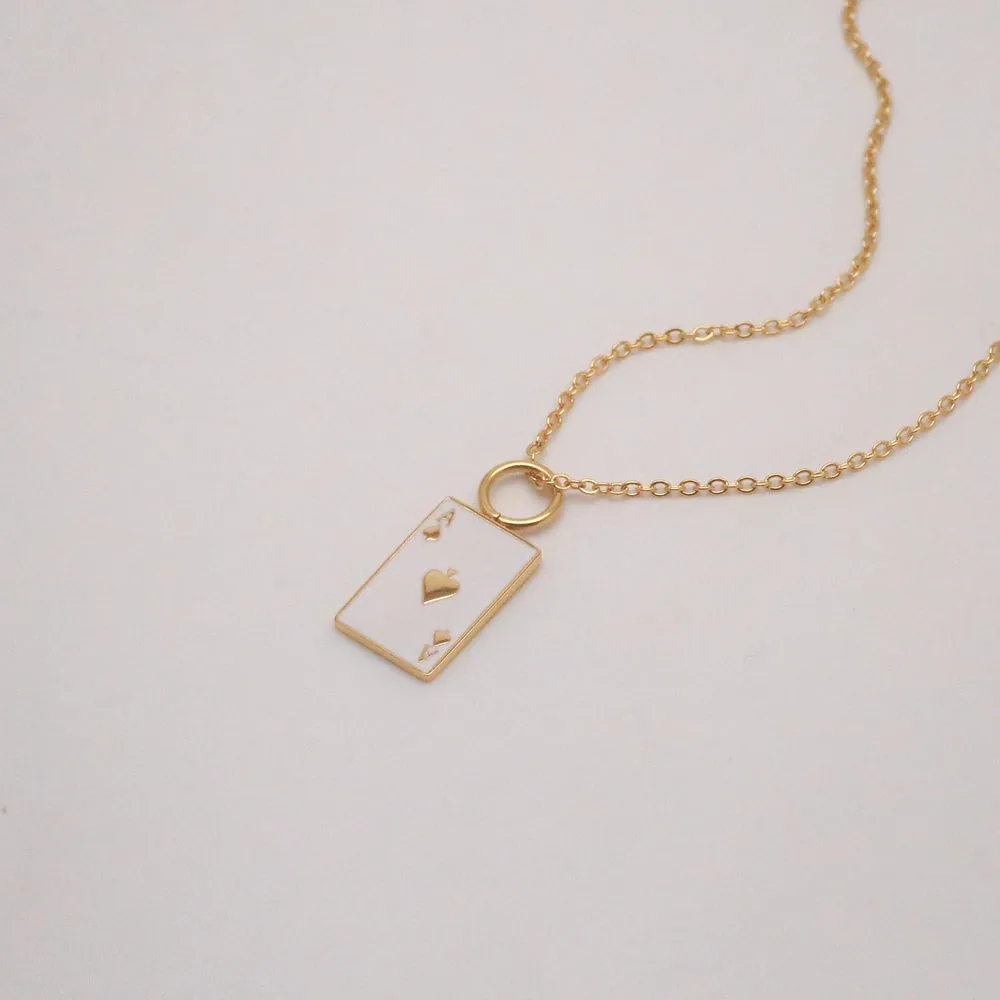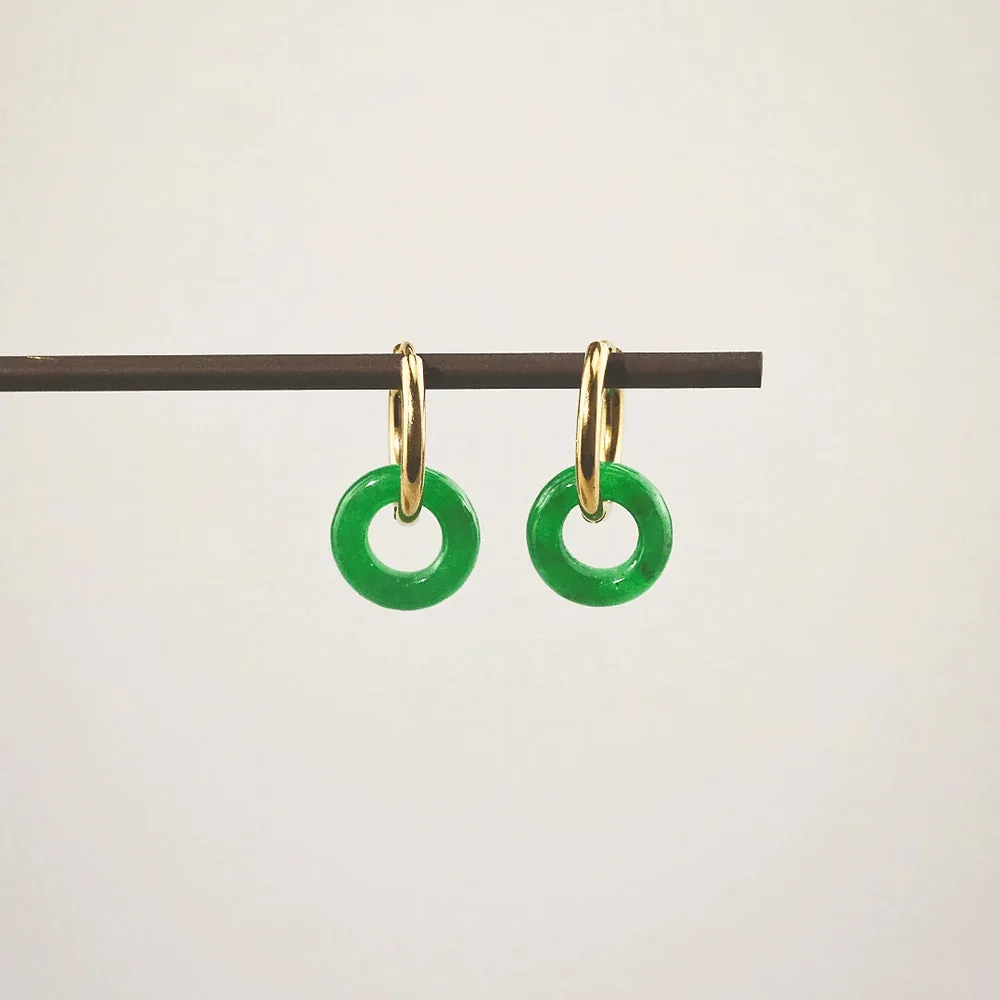
Before you design a single campaign, a newsletter, or a big holiday send, there are two or three automated emails your jewelry boutique should have running quietly in the background — because they sell the stock you already own to people who already raised their hand. A welcome series greets new subscribers while interest is hot. An abandoned-cart email flow recovers the sale you nearly earned. A post-purchase and care flow protects the piece you just sold and sets up the second order. These aren't clever growth hacks; they're the plumbing. Get them running honestly — no fake countdowns, no invented scarcity — and they'll fund your reorders more reliably than any one campaign ever will.
Key takeaways
- Automate three flows before any campaign. A welcome series, an abandoned-cart flow, and a post-purchase/care flow run once you build them — they catch demand you've already created instead of chasing new demand every week.
- Keep it honest and it keeps working. Skip fake countdown timers and invented "only 2 left" scarcity; a real reason to buy — the piece they liked, an honest care promise, a genuine first-order welcome — converts without eroding trust.
- These flows fund your reorders. Selling owned inventory better — recovering carts, earning the second purchase — is what turns stock into cash you put back into the next wholesale buy.
Why automated flows beat campaigns for a small boutique
When you're running a boutique on your own hours, a broadcast campaign is a treadmill: you write it, send it, and the clock resets to zero the next week. An automated flow is the opposite. You build it once, and it greets, recovers, and follows up with every customer at exactly the right moment — the moment they chose, not the moment your newsletter happened to land. That timing is the whole advantage. Someone who just abandoned a cart or just subscribed is far warmer than a random name on your list, and a flow reaches them while the interest is real.
There's a money reason to start here, too. You've already paid for your inventory — it's sitting in the case or the stockroom. Campaigns are about finding new demand; flows are about converting the demand you already earned into sales of stock you already own. That's the cheapest revenue in the building, and it's the revenue that funds your next reorder. This piece sits inside the wider operating playbook in our pillar on how to run a jewelry boutique — email automation is one of the few systems that keeps earning while you're on the sales floor. And because the same photos and copy you use elsewhere feed these emails, it pairs naturally with a social media content calendar so you're not writing everything from scratch.
The three flows to set up first
Here's the order I'd build them in, and why. Read the table as a starting blueprint — your exact timing can flex a little for your audience, but the shape holds for a demi-fine jewelry boutique.
| Flow | Trigger | What to send | Why it earns |
|---|---|---|---|
| Welcome series (2–3 emails) | New subscriber joins the list. | Warm hello + who you are; your bestsellers; an honest first-order thank-you (a modest welcome offer if you run one). | Interest is at its peak the moment someone opts in — you convert a subscriber into a first-time buyer. |
| Abandoned-cart (2–3 emails) | Item added to cart, checkout not completed. | A reminder showing the exact piece; a helpful nudge answering hesitation (fit, care, shipping); a final gentle prompt. | You already earned this cart. Recovering even a slice of them is pure margin on stock you own. |
| Post-purchase (+ care) (2–3 emails) | Order placed / delivered. | Order confirmation; a care guide for the piece; a "style it with" or complete-the-set suggestion. | Reduces returns and buyer's remorse, builds trust, and teees up the second order — your cheapest repeat sale. |
| Win-back (optional, 1–2 emails) | No purchase or open in a set window (e.g. a few months). | A "we miss you" note + what's new; a light reason to return; a chance to update preferences or opt down. | Re-earns lapsing customers you already paid to acquire — and cleans your list so your sender reputation stays healthy. |
Build the welcome series and the abandoned-cart flow first — they touch the warmest moments. Add post-purchase next, and treat win-back as a nice-to-have you switch on once the first three are humming.
The welcome series: greet, prove, invite
A welcome series does the job a good salesperson does when someone walks in: say hello, show them what you're known for, and give them a genuine reason to buy today. Two or three emails is plenty.
Email 1 — the hello (send immediately). Thank them for subscribing, say who you are in a sentence or two, and set expectations for what they'll get from you. If you promised a welcome offer on your sign-up form, deliver it here — and make it real and honest, not a "one hour only" panic timer. A modest, standing first-order thank-you converts better over time than a fake deadline that trains people to distrust you.
Email 2 — the proof (a day or two later). Show your bestsellers — the pieces that already sell themselves in the store. This is where your owned inventory does the work: link to the earrings and necklaces that turn fastest, because a new subscriber shopping proven sellers is the highest-odds first sale you'll make. Be accurate in the copy: if a piece is 18k gold-plated over stainless steel, say plated, not "solid gold." Customers who buy what they think they bought don't file returns.
Email 3 — the invitation (optional, a few days on). Give one clear reason to take the first step now — a bestseller edit, a styling idea, or the welcome offer restated once. Then let the flow end and hand them off to your regular sends. A welcome series that overstays its welcome is just noise.
The abandoned-cart flow: recover what you nearly earned
This is the flow most small boutiques skip and most regret skipping, because an abandoned cart is the closest thing to free money on your books. The customer found the piece, wanted it enough to add it, and stopped — usually for a boring reason: a distraction, a shipping question, a "let me think about it." Your job isn't to pressure them; it's to remove the small friction that stopped them. That's the entire craft of a good abandoned cart email flow for small business: be helpful, not desperate.
Email 1 — the reminder (about an hour later). Short and warm. Show the exact piece they left — the photo does most of the work — with a single button back to their cart. No hard sell; often the reminder alone is enough.
Email 2 — the reassurance (roughly a day later). Now answer the hesitation. This is where honesty earns the sale: address fit, materials, and care plainly. Tell them the piece is water-resistant for everyday wear, not indestructible; that the plating wears gradually over years and is backed by a warranty; that the steel core is nickel-safe for sensitive skin. Removing a real doubt beats inventing a fake one. Link your jewelry care card content here so they can see exactly how to keep it looking new.
Email 3 — the gentle close (a day or two after). A last, low-key nudge. If you offer a small standing incentive, this is the honest place for it — but resist the fake countdown and the invented "only 1 left." False scarcity works exactly once, then it costs you the customer. A calm "your cart's still here" outperforms a manufactured emergency because it respects the person on the other end.
The post-purchase & care flow: protect the sale, earn the next one
The sale isn't the finish line — it's the start of the relationship that produces your second order, which is the cheapest sale you'll ever make. A good post-purchase flow does two things: it protects the piece they just bought, and it opens the door to the next one.
Email 1 — confirmation. Straightforward and reassuring: what they ordered, what happens next. This is a trust email; keep it clean and human.
Email 2 — care (a few days after delivery). Send the care guidance for what they bought — how to store it, when to take it off, what "water-resistant" honestly means. This single email quietly cuts returns and buyer's remorse, because a customer who knows how to care for a plated piece is a customer whose piece still looks good in six months. The same content that lives on your printed care card works perfectly here.
Email 3 — the next piece (a week or two on). Now suggest the natural follow-on: "the studs you bought pair with these huggies," or "complete the set." This is where the second order is born. It's also the bridge to a real repeat-customer engine — we go deeper on that in our guide to turning one-time buyers into repeat customers. Every one of these follow-on sales moves owned stock and funds the next reorder.
The honest-tone rule that keeps flows working
One principle runs through all of this, and it's the one I'd tattoo on a new owner if I could: don't manufacture urgency you don't have. Fake countdown timers, invented "2 people are viewing this," and phantom low-stock warnings can bump a single send — and then they quietly poison your list, because customers learn the emergency was never real. Demi-fine jewelry sells on trust: a shopper is deciding whether a plated piece will hold up, whether the stone is what you say it is, whether you'll be honest about a return. Every email that tells the truth — plated not solid, CZ not diamond, water-resistant not waterproof, nickel-safe not nickel-free — compounds that trust into repeat business. False scarcity spends it. Real reasons to buy — the piece they liked, a genuine welcome, an honest care promise, a thoughtful next suggestion — convert just as well and keep converting for years.
More wholesale guides
If you're building the systems that keep a boutique running, these companion guides go deeper on the pieces that connect to your email flows.
- How to Run a Jewelry Boutique — the pillar on the systems, buying, and margins behind a boutique that lasts.
- Turn One-Time Buyers Into Repeat Customers — where your post-purchase flow leads: the second and third order.
- The Jewelry Care Card to Hand Out — the honest care copy that powers your post-purchase and cart emails.
- Social Media Content Calendar — feed the same photos and stories into your emails without writing twice.
- Browse the full wholesale line — the owned stock these flows help you sell through.
Email flows for jewelry boutiques: FAQ
Start with a welcome series for new subscribers and an abandoned-cart flow, because they reach customers at the warmest moments — right after opting in and right after nearly buying. Add a post-purchase and care flow next to reduce returns and earn the second order, and treat a win-back flow as an optional fourth once the first three are running.
Two or three emails is plenty for a small business. A common, sensible cadence is a short reminder about an hour after abandonment, a reassurance email roughly a day later that answers fit and care questions, and an optional gentle final nudge a day or two after that. Keep it helpful rather than pushy — the goal is to remove friction, not to pressure.
No — not fake ones. Manufactured countdown timers and invented low-stock warnings can lift a single send but erode trust once customers notice the urgency isn't real, and demi-fine jewelry sells on trust. Give genuine reasons to buy instead: show the exact piece, answer real hesitations about fit and care, and be honest about materials. Real scarcity (a piece that's actually low) is fine to state; invented scarcity is not.
Confirm the order, then a few days after delivery send honest care guidance — how to store the piece, when to take it off, and what water-resistant really means — which cuts returns and buyer's remorse. A week or two later, suggest a natural next piece or a way to complete the set. That third email is where the cheapest repeat sale, the second order, tends to begin.
Completely — it's what makes the flows keep working. Describe pieces as 18k gold-plated over 316L stainless steel (plated, never solid gold), CZ simulants rather than diamonds, and nickel-safe rather than nickel-free. Say water-resistant, not waterproof or indestructible, and note that plating wears gradually over years. Customers who get exactly what they expected return less and reorder more.
Flows sell the stock you already own more efficiently — recovered carts and second orders are pure margin that funds your next buy. When it's time to reorder, Couture's Corner runs a $100 minimum order with NET-60 terms at 0% interest, and your first order ships with free returns, so you can restock the sellers your emails proved without a large upfront commitment.
Open a Couture's Corner wholesale account
These flows sell through the stock you own — so restocking your proven sellers is the natural next step. Learn the wider systems in our pillar on how to run a jewelry boutique, then browse the full wholesale line to reorder what your emails move. $100 minimum · NET-60 terms · first order ships with free returns.
Open a wholesale account →