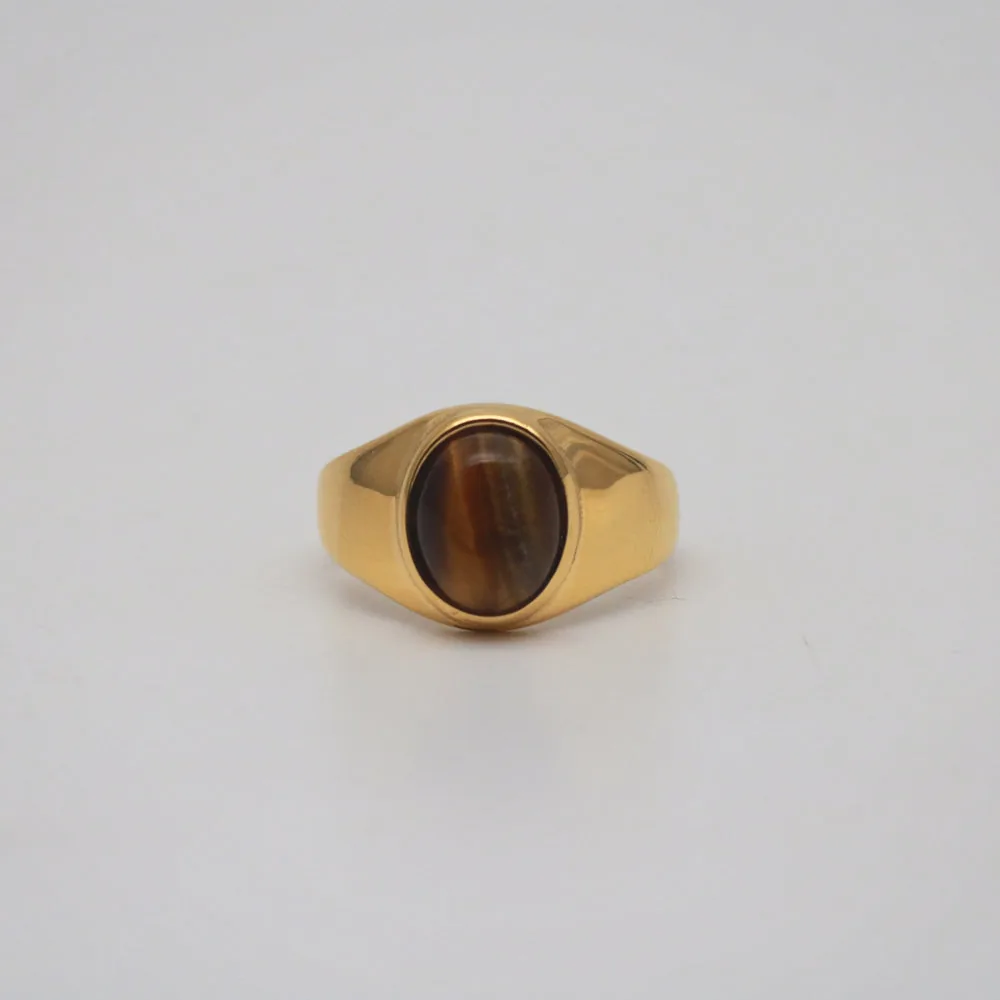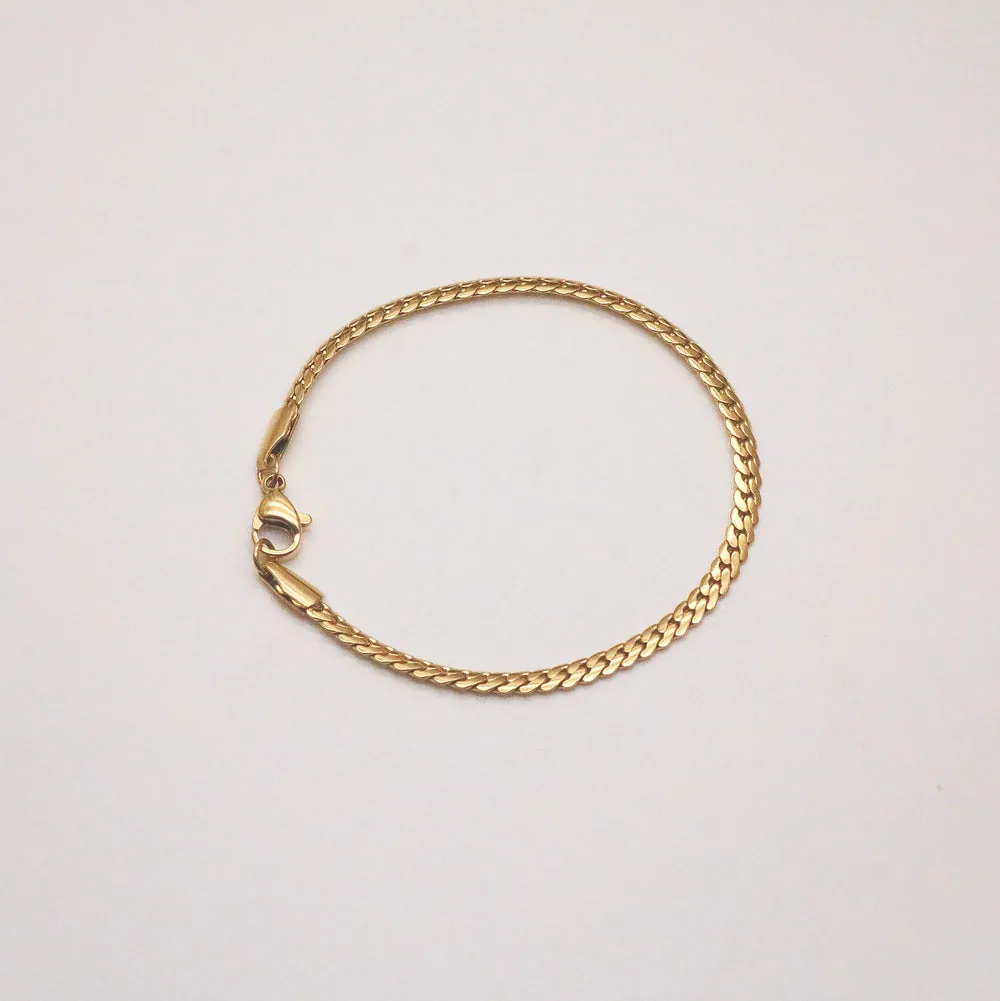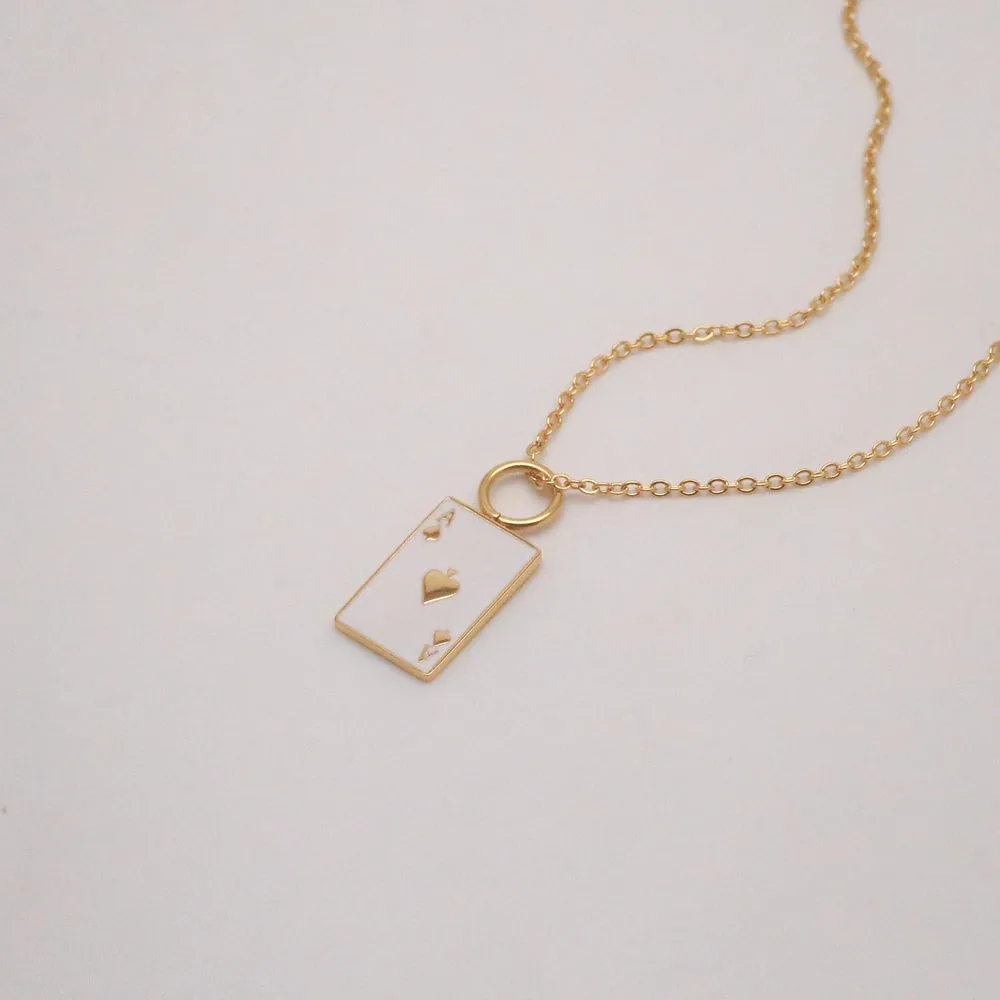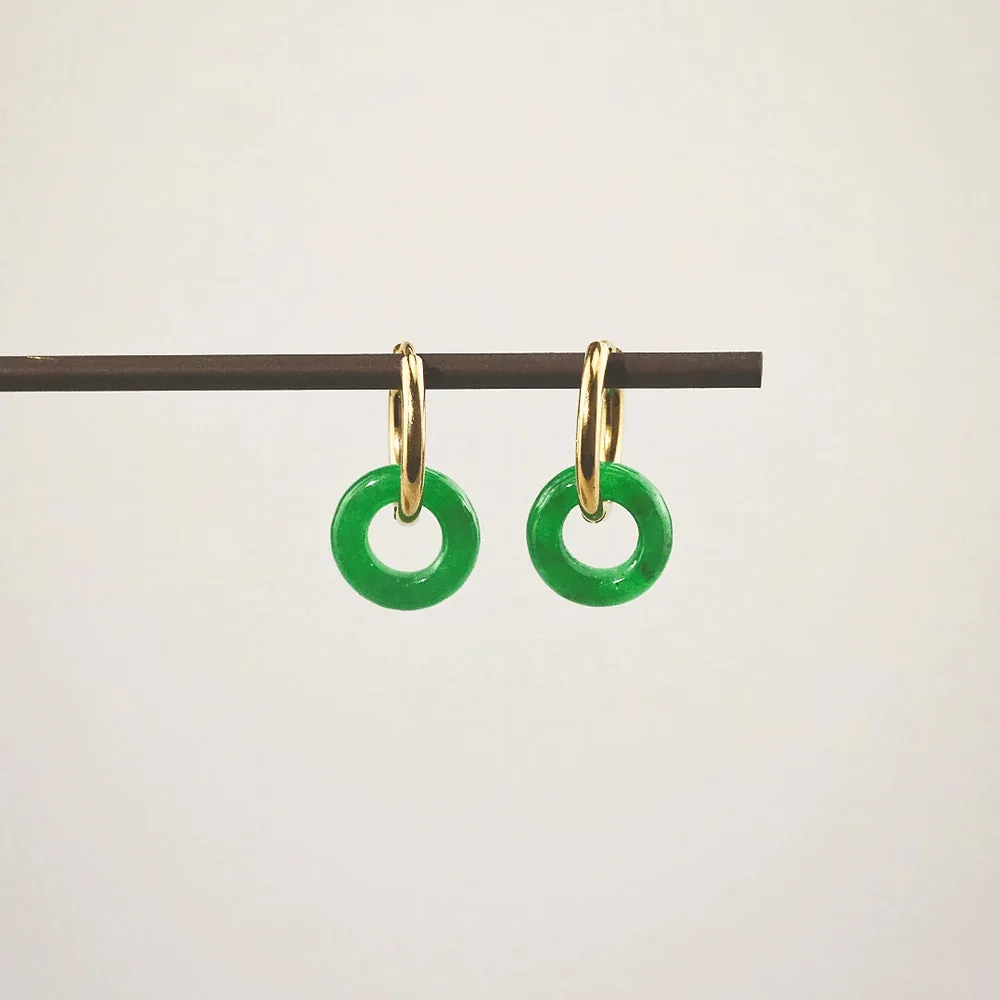
The first time I lost a piece off my counter, I didn't even notice for two days — a delicate chain necklace, gone during a busy Saturday, and I only found out when my cycle count came up one short. That sick little drop in your stomach? Every boutique owner knows it. Here's the good news: loss prevention for a demi-fine jewelry shop is not about steel vaults, armed guards, or six-figure security systems. Those are built for solid-gold, diamond-counter economics. You sell beautiful $30 to $80 pieces, and your defenses should cost accordingly. This is the practical, right-sized playbook I wish someone had handed me on day one.
Key takeaways
- Shrink has four homes — shoplifting, employee theft, admin/miscount, and supplier shortage. You can't fix a problem until you know which bucket it's leaking from.
- Cheap beats fancy — sightlines, a one-piece-out rule, tight cycle counts, and a positive staff culture prevent more loss than any single expensive gadget.
- Right-size the security to the price point — don't buy a vault for a boutique full of $40 demi-fine pieces. Match the defense to what's actually on the shelf.
First, know where your shrink actually comes from
"Shrinkage" just means the gap between the inventory your system says you have and the inventory that's physically in the shop. It is not one problem — it's four, and they need different fixes. External theft (shoplifting) is the one everyone pictures, but it's often not the biggest leak in a small boutique. Employee theft is uncomfortable to think about and very real. Then there's the quiet one: administrative error — miscounts, un-scanned sales, a piece marked down twice, a return that never got logged. And finally supplier shortage: a carton that arrived one bracelet light and nobody checked it against the packing slip.
I'll be honest about numbers here — I'm not going to quote you a national shrink rate, because the figures floating around get quoted as gospel and they rarely match a small demi-fine shop. What matters is your shrink, measured against your counts. That's the only stat that pays your rent.
Where shrink comes from & the cheap fix
Here's the whole map on one page. None of these fixes require a security consultant — they require attention and a little discipline.
| Source | Cheap defense | Note |
|---|---|---|
| Shoplifting | Clear sightlines, locked high-value cases, greet everyone at the door, one-piece-out rule | A warm "hi, let me know if you'd like to try anything on" is your cheapest deterrent — thieves want to feel invisible. |
| Employee theft | Tight till procedures, no-sale/void logging, cycle counts by section, cameras over the register | Most is opportunistic, not malicious. Good systems + a fair culture remove the opportunity and the temptation. |
| Admin / miscount | Scan every sale, log every return & markdown, reconcile against your inventory system weekly | Often the biggest "loss" that was never a theft at all — just sloppy data. Fixing it also fixes your reorders. |
| Supplier shortage | Check every carton against the packing slip on arrival, photograph discrepancies, report within the return window | Two minutes at receiving saves you eating the cost later. Work with a supplier who actually answers when you flag it. |
| At events / markets | Fewer pieces out, mirrored displays behind you, a helper on busy days, count in and count out | A crowded booth is a shoplifter's dream. Limit what's within arm's reach and never work a rush alone. |
Layout, sightlines & the one-piece-out rule
Your floor plan is your first (free) security system. Keep sightlines open from wherever you stand — no tall fixtures blocking the back corner, no blind spots at the fitting mirror. Put your daintiest, most slip-into-a-pocket pieces (fine chain necklaces, small stud earrings, stacking rings) closest to you or in a locked case, and let the sturdier bracelets and statement pieces live further out where they merchandise beautifully but tempt less. This is the same discipline that makes a shop feel curated instead of cluttered, which is why I always tie loss prevention back to How to Display & Merchandise Jewelry — good display and good security are the same skill.
Then the single habit that's saved me more inventory than anything else: one piece out at a time. When a customer wants to see rings, you show one, they hand it back, you show the next. Never fan six pieces across the counter and turn to grab tissue. It sounds strict, but customers barely notice when you do it warmly — "let me get you the next one" — and it makes a grab-and-run almost impossible.
Cycle counts, cameras & a culture that doesn't invite theft
Cameras are worth it, but keep them modest. A couple of visible cameras over the register and the door do the deterrent work; you do not need a wall of monitors. The point is that people see them.
The real backbone is counting. Instead of one dreaded annual inventory, run rolling cycle counts — one section this week, another next — reconciled against whatever inventory system you already use. That's how I caught my missing necklace in two days instead of two months, and it's the throughline of my whole approach to Jewelry Inventory Management. Tight counts turn a vague "something feels off" into a specific "we're short two of SKU-114 in the east case," which is a problem you can actually solve.
On employee theft, the most effective thing I've done is cultural. Pay fairly, give people ownership of their sections, log voids and no-sales as routine (not accusation), and never make counting feel like you're hunting a culprit. A team that feels trusted and treated well simply steals far less. Systems remove the opportunity; culture removes the motive.
Markets, events & a boring closing routine
Pop-ups and craft fairs are wonderful for sales and brutal for shrink — open tables, distracted crowds, one exhausted you. Bring fewer pieces than you think you need, keep the tiny stuff behind the table, position a mirror so your back isn't the display's blind side, and count what you set out against what you pack up. When it gets busy, that's exactly when you need a second set of hands. I get into the full booth setup in Selling Jewelry at Craft Fairs & Markets.
Back at the shop, a dull, identical closing routine every single night is your quiet superpower: lock the high-value cases, do a quick section count, cash out with voids logged, and set the alarm. Predictable procedures are what keep an honest team honest and a bad night from becoming a mystery. For how all of this fits into running the business day to day, my How to Run a Jewelry Boutique pillar ties the whole operation together. And whatever you're protecting, remember it started as stock you chose to buy — right-sizing security starts with buying a demi-fine line whose price points don't demand a vault in the first place.
More wholesale guides
- How to Run a Jewelry Boutique
- Jewelry Inventory Management
- How to Display & Merchandise Jewelry
- Selling Jewelry at Craft Fairs & Markets
- Browse the full wholesale line
Frequently asked questions
A vault, no — that's fine-jewelry, solid-gold economics. A couple of visible cameras over your register and door are worth it as a deterrent, but the bigger wins are free: open sightlines, locked cases for your smallest pieces, a one-piece-out counter rule, and regular cycle counts. Right-size the spend to your price points.
Greeting every person who walks in and showing only one piece at a time. Acknowledgment removes the anonymity shoplifters rely on, and the one-piece-out rule makes a grab-and-run nearly impossible — both cost you nothing but attention.
Lead with systems, not suspicion. Log voids and no-sales as routine, run cycle counts by section, and keep cameras over the register. Most internal loss is opportunistic, so a fair wage, section ownership, and a trusting culture prevent far more than any accusation ever will.
Don't rely on one annual count. Run rolling cycle counts — one section a week — reconciled against your inventory system. You'll catch a discrepancy in days instead of months, and pinpoint the exact SKU and case rather than just sensing something's off.
Check every shipment against the packing slip the moment it lands, photograph anything off, and report it inside your supplier's return window. Two minutes at receiving is the whole defense against supplier shortage — and it depends on working with a supplier who actually responds when you flag it.
We keep it low-risk: a $100 minimum order, NET-60 at 0% interest so you can sell before you pay, and your first order ships with free returns. We supply demi-fine jewelry — 18k gold-plated over 316L stainless steel, CZ simulants, freshwater and simulated pearls — finished pieces at price points that don't demand a vault to protect.
Open a Couture's Corner wholesale account
Loss prevention starts with buying the right line — demi-fine pieces at price points that don't demand a vault. See How to Run a Jewelry Boutique or browse the full wholesale line, then open an account: $100 minimum · NET-60 terms · first order ships with free returns.
Open a wholesale account →