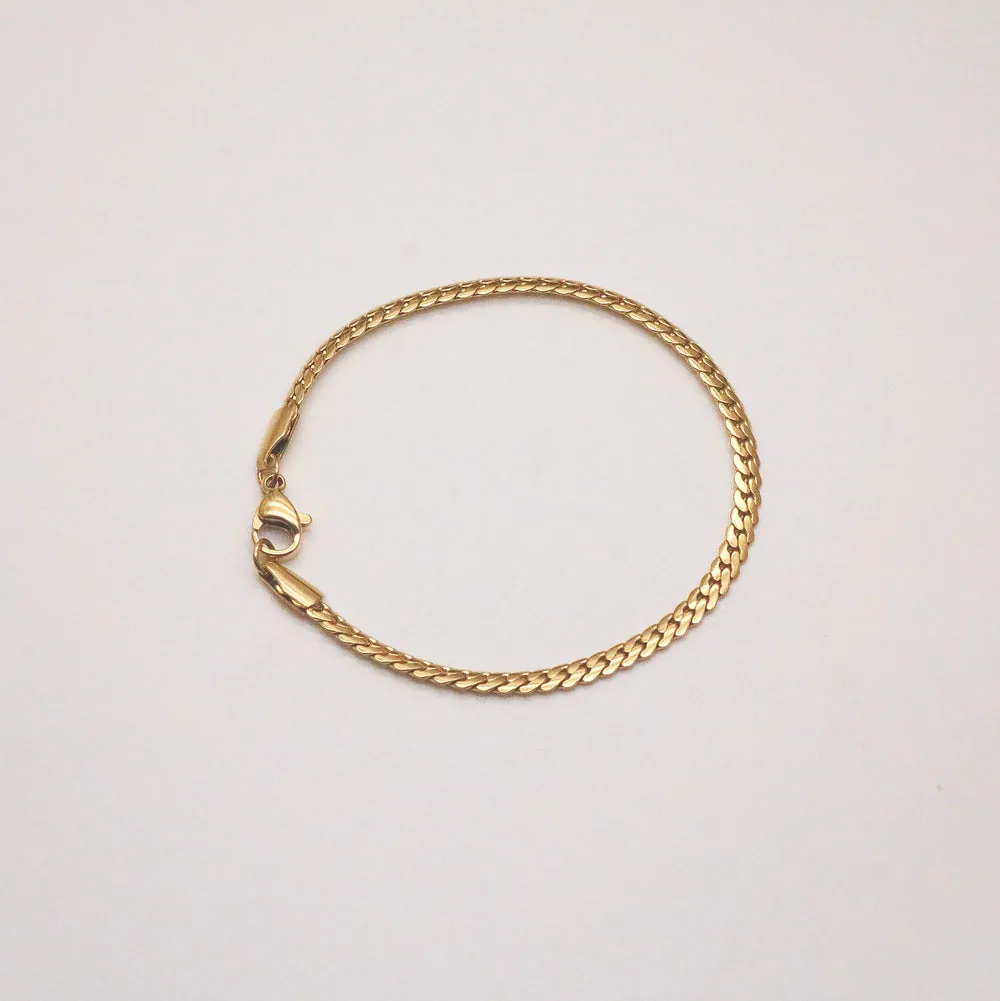
A permanent bracelet takes a few minutes to fit and weld, and the customer walks out wearing something they chose, sized to their own wrist, that they'll photograph and post before they've left the block. That's the appeal, and it's why so many boutique owners ask me about it: it turns your shop into an experience, not just a rack of pretty things. Done honestly, it's a genuinely high-margin, foot-traffic-driving service. But there's a catch worth naming up front — the equipment and the chain-by-the-foot come from specialty welding suppliers, not from a demi-fine wholesaler like me. What I want to give you here is the real playbook: what you actually need, how to price and run it, how to describe the piece truthfully, and where the service quietly pays off in your everyday case.
Key takeaways
- Permanent jewelry is an experience that drives foot traffic. A quick, personal, post-worthy service brings people into your shop for events and appointments — and the real payoff is everything they browse and buy while they're standing there.
- Your supplier stack is split, and that's fine. The micro-welder, safety gear and chain-by-the-foot come from specialty welding suppliers — a demi-fine wholesaler is where your stocked case comes from, not the welding kit.
- Describe the piece honestly or it comes back on you. A welded demi-fine chain is water-resistant, not indestructible; it's plated, not solid gold; and it's removable with snips. Say so, and you'll avoid the one thing that sinks this service — a disappointed customer.
Why permanent jewelry works in a boutique
Most of what we sell is a transaction: someone likes a necklace, buys it, leaves. Permanent jewelry is different because it's a moment. The customer picks a chain, you measure it to their wrist or ankle, and you weld the two ends together right there — a tiny, personal ritual that takes a few minutes and gives them a story to tell. People book it in pairs and small groups for birthdays, bridal parties and girls' nights, which means it draws foot traffic on your schedule, not the calendar's. And it's the rare retail service customers want to film and share, which is free reach you didn't have to buy.
Here's the part I care about most as a wholesaler, though: the welding is the hook, but the browsing is the business. Someone waiting their turn, or admiring their new bracelet in your mirror, is standing inside your shop with their guard down and their wallet out — and that's when your stocked case of everyday earrings, rings and necklaces does the quiet work. I've seen the add-on sales outrun the welding fee more often than not. So treat permanent jewelry as the thing that gets people in, and your merchandised case as the thing that grows the ticket. It all rolls up into running the shop well; the full picture lives in our pillar, how to run a jewelry boutique.
What you need to offer permanent jewelry
Let me be straight about the supplier split, because it trips people up. The welding equipment and the chain-by-the-foot are specialty items — you'll source the micro-welder, safety gear, connectors and bulk chain from welding-supply and findings vendors who serve this trade, not from a demi-fine wholesaler. Where a supplier like Couture's Corner fits is the stocked case that the foot traffic cross-buys. Here's the whole checklist, split honestly.
| Piece | What it is | Note |
|---|---|---|
| Micro-welder & safety gear | A small pulse-arc / spot welder that fuses the two chain ends, plus tinted safety glasses, a shield card and a fire-safe surface. | From specialty welding suppliers, not a demi-fine wholesaler. Follow the manufacturer's safety instructions to the letter. |
| Chain (by the foot) | Bulk chain on a spool that you cut to each wrist or ankle — the actual piece you weld onto the customer. | Sourced from findings/chain vendors. Confirm exactly what the metal is so you can describe it honestly (see below). |
| Connectors / charms | The jump ring or clasp that closes the piece, plus optional charms customers add to personalize it. | A small, tidy charm tray is an easy upsell and a reason to come back and add to the piece later. |
| Training | Hands-on practice welding cleanly and safely before you ever touch a paying customer's skin. | Practice on scrap until it's boring. A clean, fast weld is the whole customer experience — rush it and you feel it. |
| Booking & waiver | An appointment/event booking flow and a plain-language liability waiver each customer signs beforehand. | Have a lawyer review your waiver for your state; note metal sensitivities and medical devices before you weld. |
| Pricing (per inch + connector) | A per-inch chain rate plus a flat connector/weld fee, with charms priced on top. | Simple, transparent and posted. Price to cover chain cost, time and the odd re-weld — not a race to the bottom. |
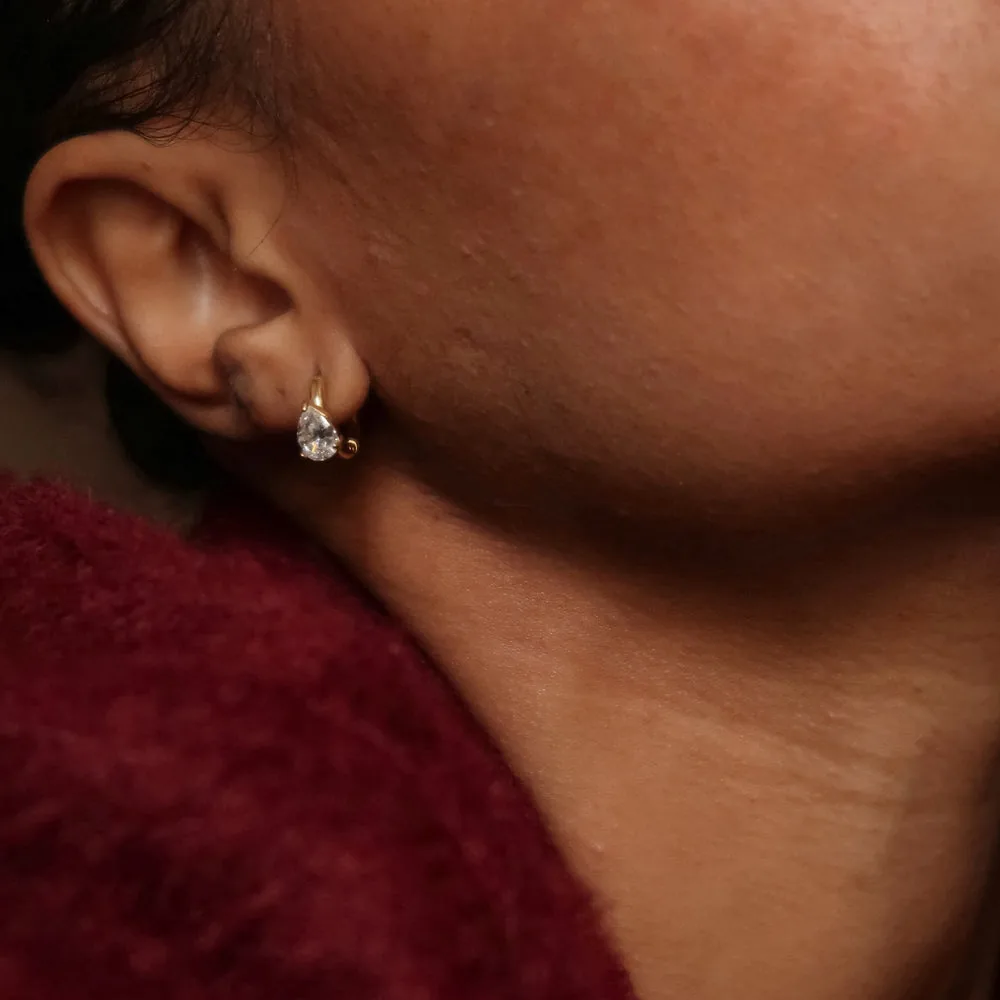
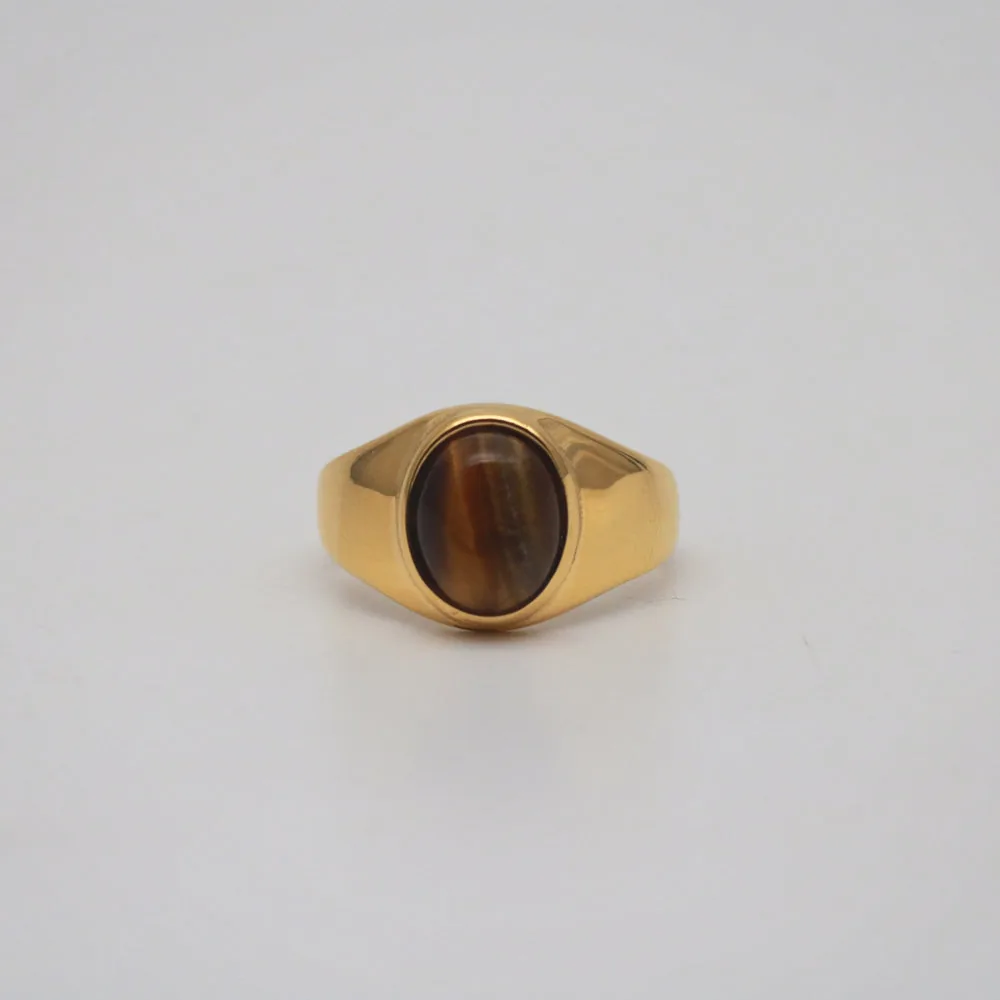
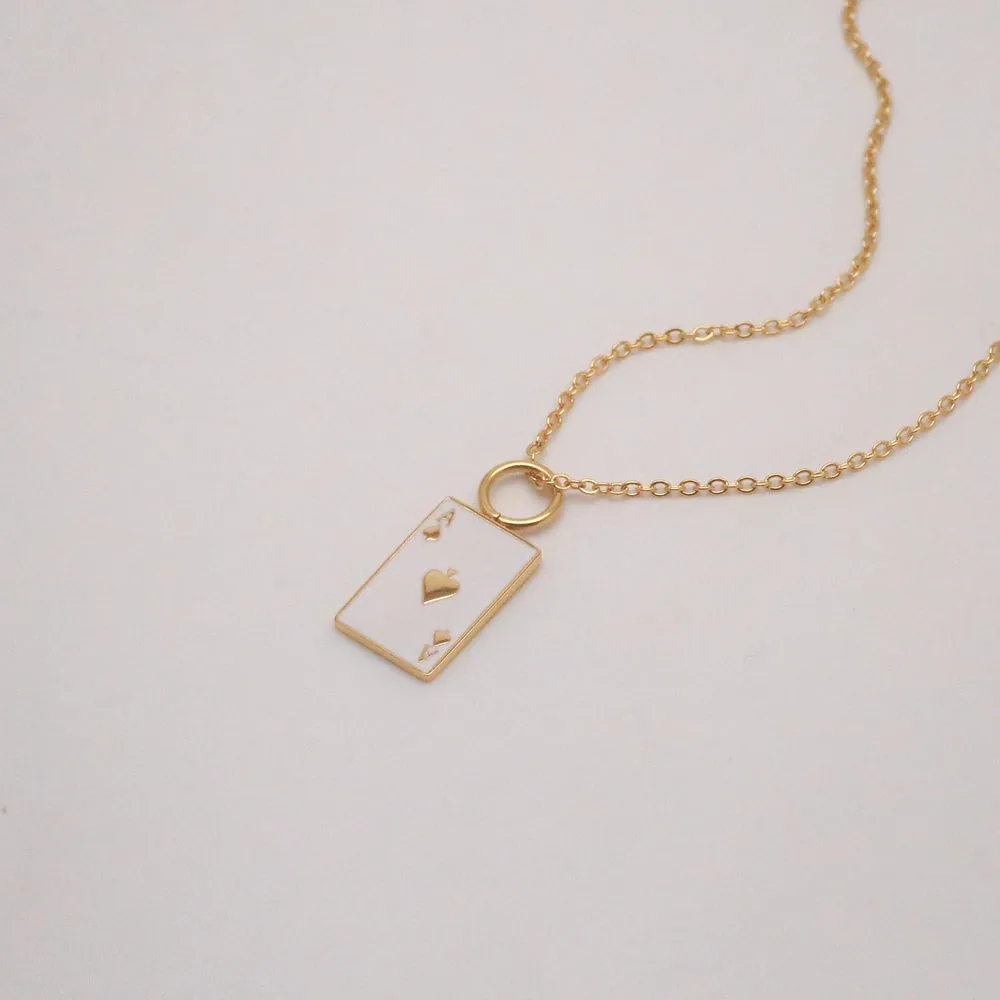
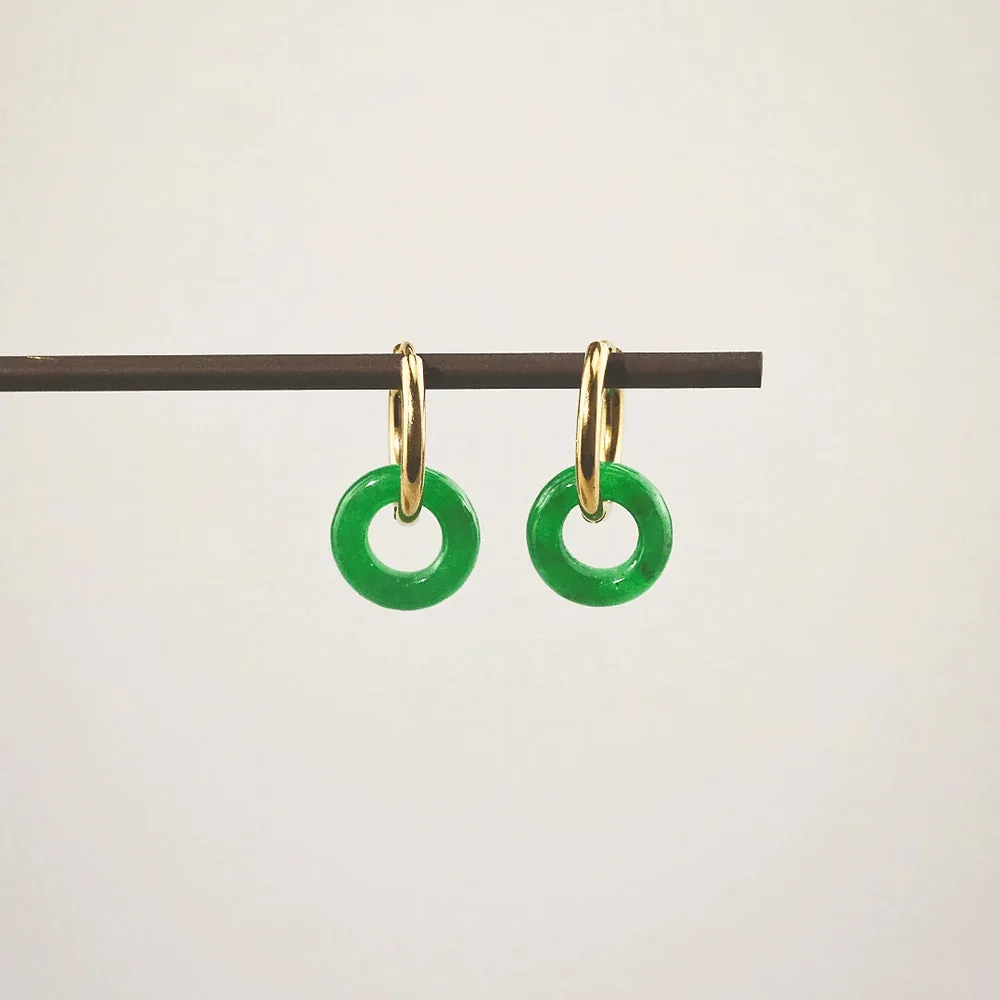
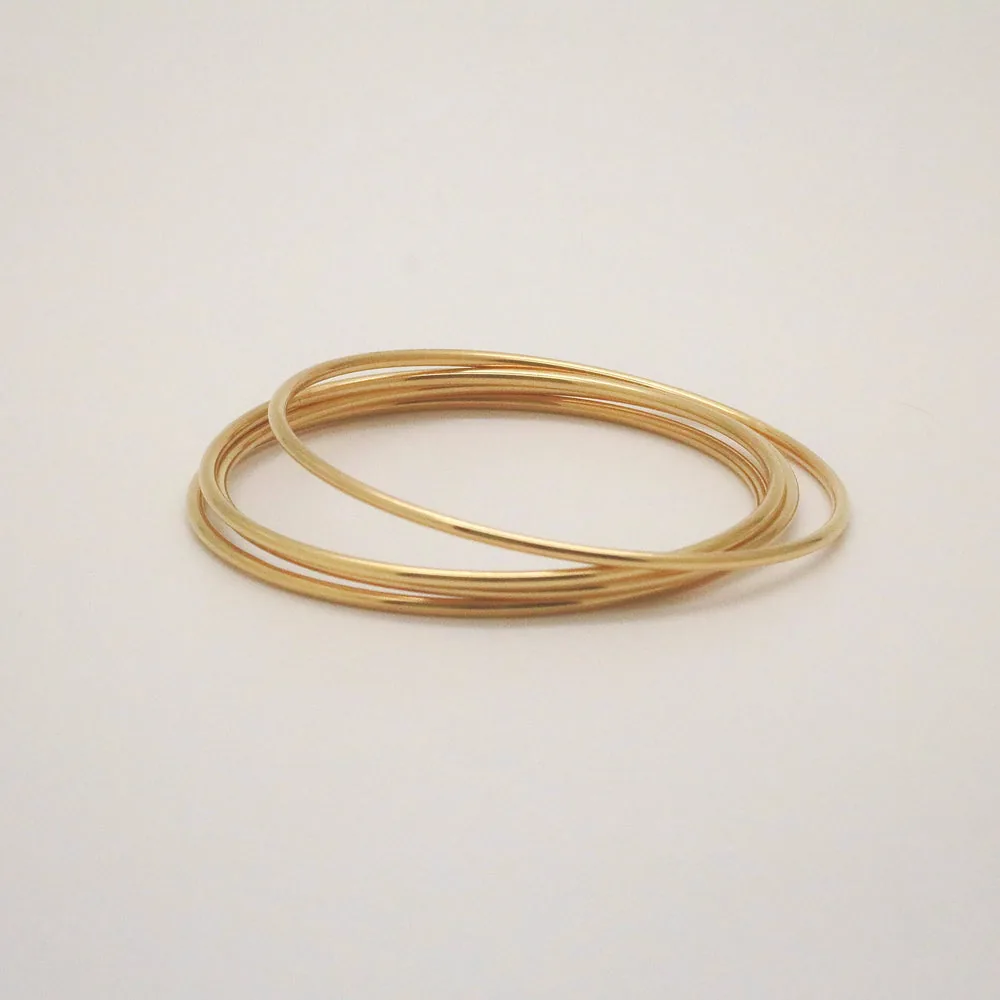
| A stocked case to cross-sell | Your everyday demi-fine earrings, rings and necklaces — what the permanent-jewelry foot traffic browses and adds on. | This is where a demi-fine wholesaler fits. Merchandise it near the welding station so the wait becomes a sale. |
Notice the last row is the only one I supply — and it's the one that turns a break-even service into a profitable one. The full wholesale line of studs, huggies, dainty necklaces and stacking rings is what fills the case that pays you while the welder cools.
What you're actually welding on — describe it honestly
This is the section that protects your service, so don't skip it. A "permanent" bracelet is a real, lovely thing, but the word oversells it if you're not careful — and an over-promise is exactly what generates the disappointed customer who tells ten friends. Say the true things plainly, and you'll have a happy client instead.
First, the metal. If you're welding a demi-fine chain, it's plated — commonly 18k gold-plated over stainless steel, not solid gold — so tell the customer that in those words. Plating wears gradually with time and friction; it's water-resistant, meaning everyday hand-washing and a caught shower are fine, but it is not indestructible and not built for a chlorine pool or a hot tub every day. Second, "permanent" means clasp-free, not forever-attached-to-your-body. There's no clasp to fall open, which is the appeal — but it's removable and adjustable any time with a tiny snip of jewelry snips, and it comes off easily for an MRI or a medical need. Say that out loud; people relax when they know they're not trapped. Third, honor sensitivities: quality stainless chain is typically nickel-safe / low-nickel-release, but never promise "nickel-free," and ask about metal reactions before you weld. Put all of this on a little card the customer takes home. Honesty here isn't a legal chore — it's the difference between a service that builds trust and one that quietly erodes it. (The same truth-telling applies to the pieces in your case; our own line is 18k gold-plated over 316L stainless steel with cubic-zirconia stones — never diamonds — and freshwater or simulated pearls, all backed by a 1-Year Color Warranty.)
Running appointments & pop-up events
There are two ways to run this, and the best shops do both. Standing appointments are your baseline: a bookable slot on your site or booking app, a short buffer between clients, and a waiver signed before they sit down. Keep the station clean, lit and visible from the sales floor — a customer mid-weld is the best window display you'll ever have, because everyone walking by wants to know what's happening. Pop-up events are where the volume lives: a themed evening, a bridal-party block, or a booth at a market pull groups who book in pairs and wait together, and that wait is prime browsing time. If you already work markets, this slots right in; our guide to selling jewelry at craft fairs & markets covers the booth kit and follow-up that make an event pay.
Whatever the format, merchandise the wait. Put your best everyday earrings and bracelets at arm's reach of the welding chair, with a mirror, so the person waiting their turn is shopping without being sold to. Capture every email at booking and again at checkout — then follow up, because the customer with a permanent bracelet is your single most loyal type of shopper, wearing your brand every day. That follow-up is a whole discipline of its own; our guide to turn one-time buyers into repeat customers is the playbook. And because the whole thing lives or dies on presentation, stage the case with intent — our display & merchandise jewelry guide goes deep on the layout that lifts the basket.
Pricing it so it actually pays
Keep the model simple and posted: a per-inch chain rate plus a flat connector/weld fee, with charms priced on top. Transparency here does double duty — it feels fair to the customer, and it pre-qualifies them so you're welding, not quoting. I won't hand you a dollar figure, because your chain cost, your market and your time are yours to price; a realistic approach is to add up your per-inch chain cost, a fair rate for the few minutes of skilled work and the occasional re-weld, and the overhead of running the station, then set a per-inch rate and fee that clear all of it with room to spare. Don't undercut yourself to match a booth down the street — this is a skilled, personal service, and it should be priced like one.
The real economics, though, aren't in the weld fee — they're in the attach rate on your case. If even a fraction of permanent-jewelry customers add a pair of studs or a stacking ring on the way out, the service pays for itself and the case does the rest. That's the whole reason the last row of the table matters: keep the case stocked with proven everyday sellers, priced with healthy margin, and merchandised where the foot traffic stands. The welding brings them in; your buying brings them back.
More wholesale guides
Adding a service is one piece of running a boutique — here's the rest of the stockist series:
- How to Run a Jewelry Boutique — the pillar: buying, margins, terms and day-to-day operations.
- How to Display & Merchandise Jewelry — staging the case beside your welding station so the wait becomes a sale.
- Selling Jewelry at Craft Fairs & Markets — run permanent-jewelry pop-ups and booths that pay.
- Turn One-Time Buyers Into Repeat Customers — follow up with your most loyal shopper: the one wearing your brand every day.
- Browse the full wholesale line to stock the case your service drives traffic to.
Adding permanent jewelry FAQ
You need a micro-welder and safety gear, chain by the foot, connectors and charms, hands-on training, a booking flow with a signed waiver, a simple per-inch-plus-connector price, and a stocked case to cross-sell. The welder and chain come from specialty welding and findings suppliers; the everyday case comes from a demi-fine wholesaler. Practice on scrap until your weld is clean and fast before you charge a soul.
No. The micro-welder, safety gear and chain-by-the-foot come from specialty welding-supply and findings vendors who serve this trade — a demi-fine wholesaler like Couture's Corner does not sell welding equipment or bulk chain. Where we fit is the stocked case of finished earrings, rings and necklaces that your permanent-jewelry foot traffic browses and buys while they wait.
It's clasp-free rather than forever-attached — there's no clasp to fall open, but it's removable and adjustable any time with a tiny snip and comes off easily for an MRI or medical need. On a demi-fine chain it's water-resistant, not indestructible: everyday washing and a caught shower are fine, but daily pools and hot tubs wear plating faster. Tell customers this plainly and they'll love the piece.
Keep it simple and posted: a per-inch chain rate plus a flat connector and weld fee, with charms on top. I won't quote a number — your chain cost and market are yours — but a realistic approach is to cover your per-inch chain cost, a fair rate for the skilled minutes and the odd re-weld, and your station overhead, then set the rate to clear all of it. Don't undercut a skilled, personal service.
Say exactly what it is. A demi-fine chain is plated — commonly 18k gold-plated over stainless steel, not solid gold — and plating wears gradually. Call it water-resistant, not waterproof or indestructible. Quality stainless is typically nickel-safe or low-nickel-release, but never say "nickel-free," and ask about metal reactions before you weld. Put it on a take-home card; honesty here is what keeps the service from generating returns.
Couture's Corner sets a $100 minimum order with NET-60 terms at 0% interest, and your first order ships with free returns. That lets you stock a curated case of everyday demi-fine earrings, rings and necklaces beside your welding station, see what the foot traffic actually cross-buys, and reorder the winners deep — all 18k gold-plated over 316L stainless steel, honestly described.
Open a Couture's Corner wholesale account
The welder brings people in — your case is what grows the ticket. Stock it with proven everyday sellers from the full wholesale line, and see how it fits into running the shop in our pillar, how to run a jewelry boutique — all 18k gold-plated over 316L stainless steel, honestly described. $100 minimum · NET-60 terms · first order ships with free returns.
Open a wholesale account →