Most jewelry business plan templates you'll find online were written for a jewelry maker or a fine-jewelry vault — not for what you're actually building, which is a curate-and-resell demi-fine boutique. So they send you chasing invented market-size figures and five-year revenue projections that impress nobody who's ever run a store. Here's the truth after years on the wholesale side: a plan becomes bankable the moment it names a real supplier and shows a real cost-per-piece and margin. This is a plain-language, section-by-section walkthrough for a retail boutique, with a simple outline you can fill in, and honest numbers instead of fantasy ones.
Key takeaways
- A plan for a retail boutique isn't a plan for a maker. You're buying finished pieces at wholesale and reselling them, so your plan centers on concept, sourcing and margin — not tools, benches or raw metal.
- Products & sourcing is the credibility test. The section most templates gloss over — what you stock and from whom — is the one a lender or partner reads hardest, because a named supplier and real cost-per-piece make everything else believable.
- Honest numbers beat impressive ones. A real COGS and a sane margin model, hedged and sourced, make a plan bankable. Fabricated market sizes and revenue projections do the opposite.
Why a retail boutique plan is different
Before you write a word, get clear on which kind of jewelry business you're planning — because it changes every section. A maker plans around a workshop, tools, findings, raw metal and production time. A fine-jewelry store plans around deep capital for solid gold and loose diamonds. Neither is you. You're building a boutique that buys finished pieces at wholesale, marks them up, and sells them under your own name. That model has the lowest capital hurdle of the three, and it also makes your plan simpler to write, because your product exists the day it arrives — there's no production line to model.
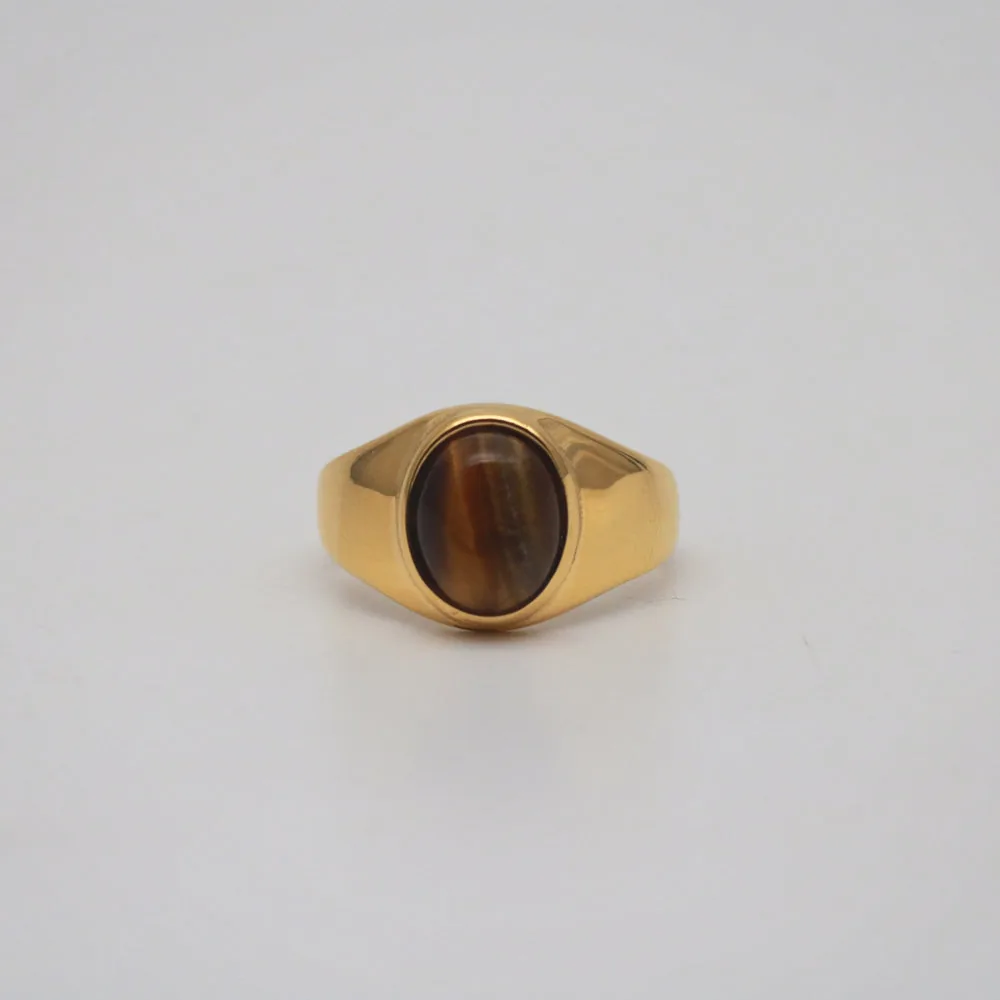
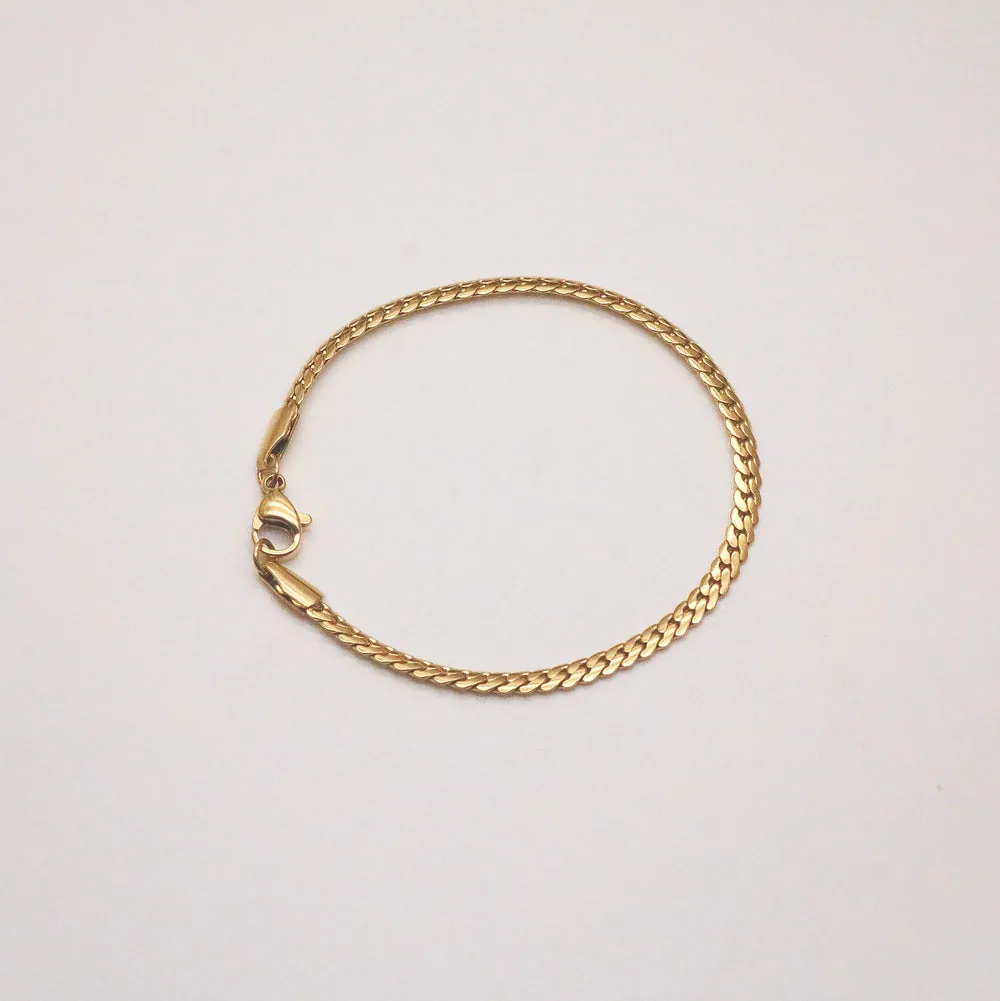
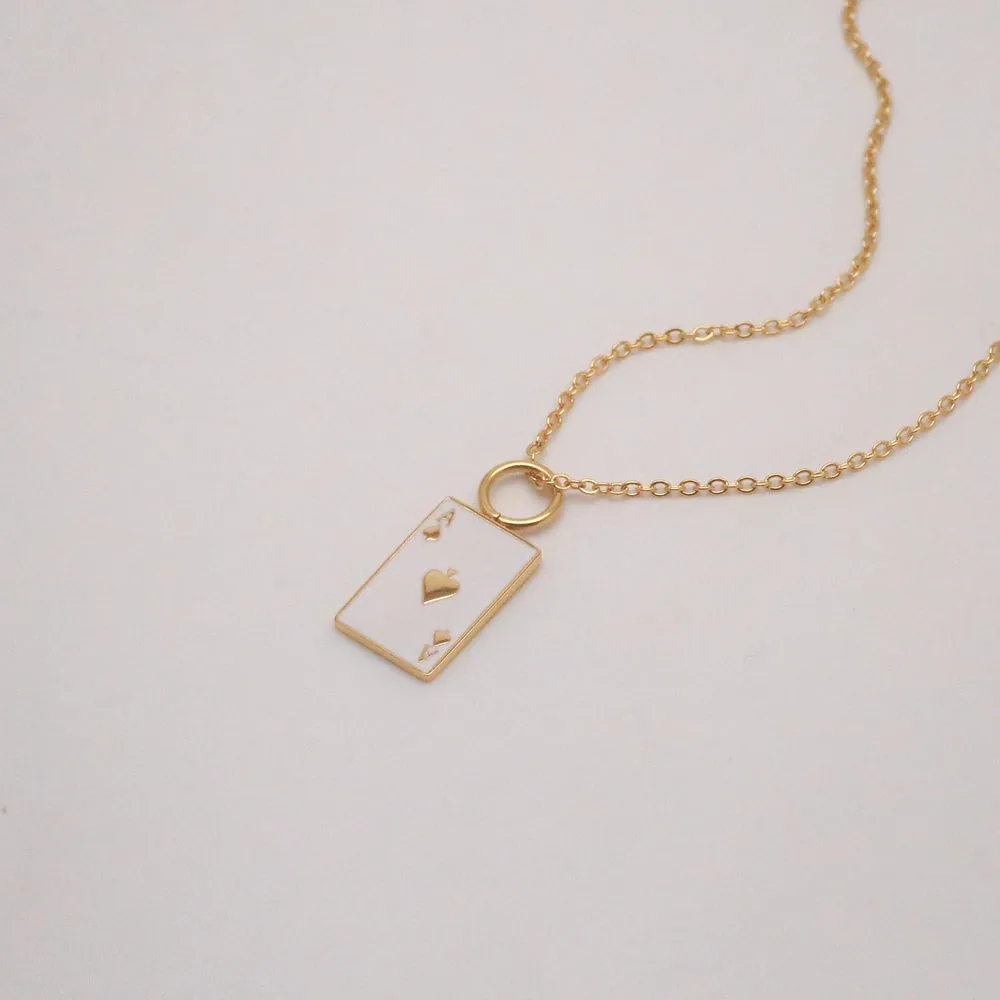
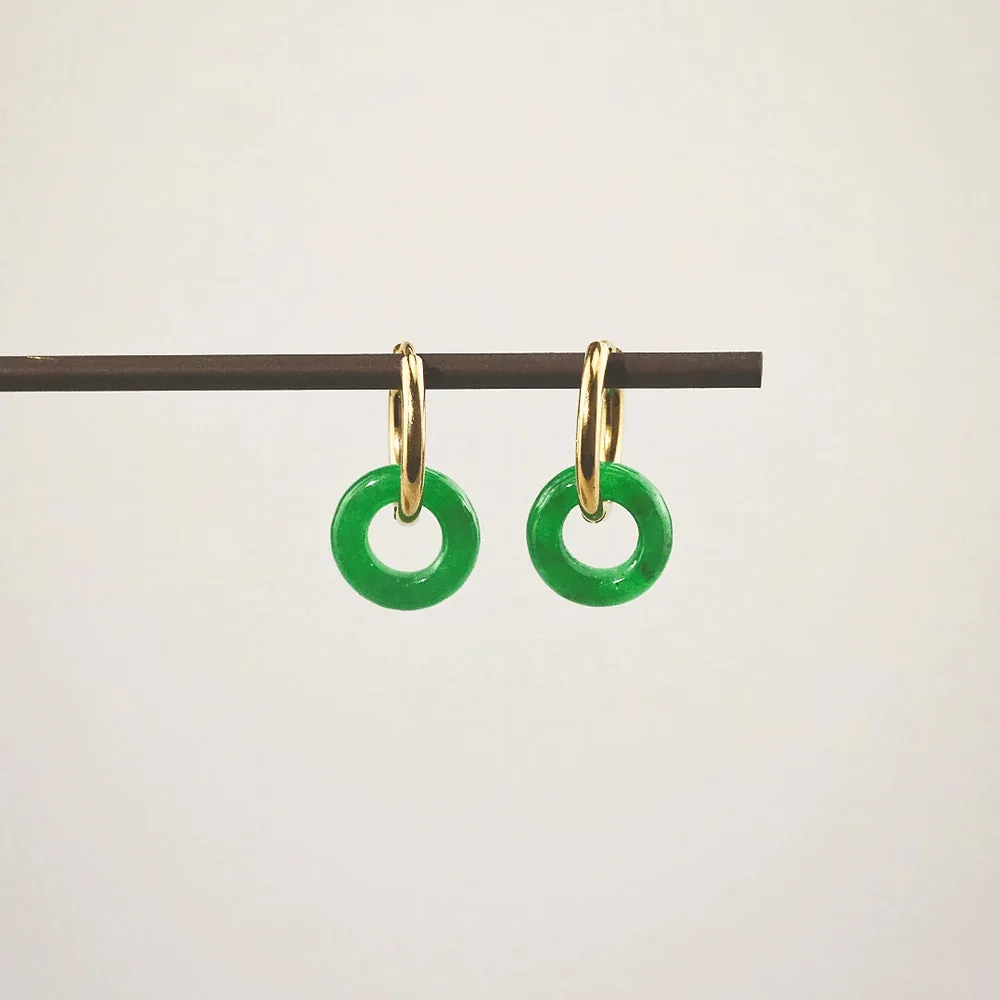
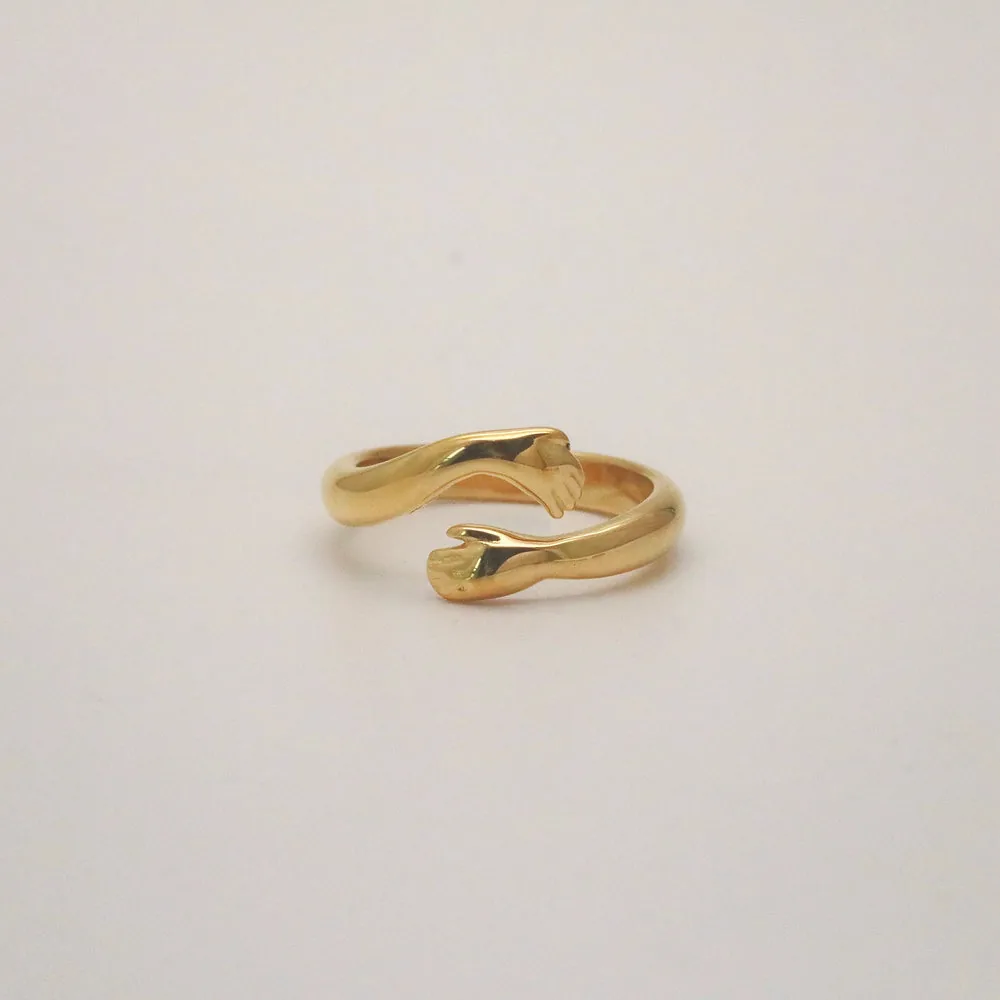
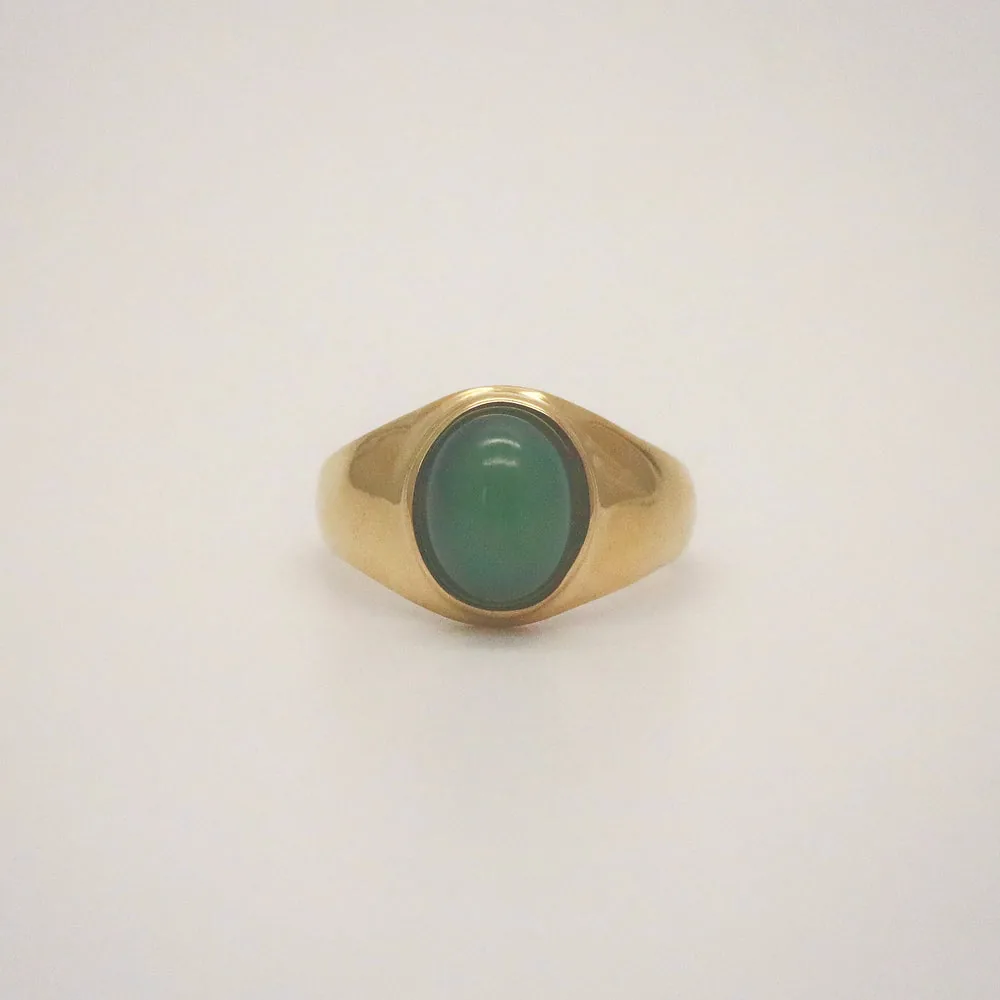
Being honest here matters for the plan itself. Our pieces are 18k-gold-plated over 316L stainless steel — plated, not solid gold — set with cubic zirconia simulants rather than diamonds, with freshwater or simulated pearls, and natural stones that may be dyed. Writing that plainly isn't a weakness in your plan; it's what makes your cost figures and your margins add up. A demi-fine assortment is exactly what lets a first-time owner fill a case for a fraction of fine-jewelry capital. This guide sits under our pillar on how to run a jewelry boutique, and pairs with how to start a jewelry boutique for the step-by-step launch.
A simple jewelry boutique business-plan outline
You don't need a fifty-page document. You need seven sections that each answer one honest question. Here's the whole outline on one screen — fill each row in your own words and you have a plan a bank, a landlord, or a business partner will actually take seriously.
| Section | What goes in it | The question it answers |
|---|---|---|
| Executive summary | A one-page snapshot of the whole plan — your concept, who you serve, how you make money, and what you need to launch. Write it last. | In one page, what is this business and why will it work? |
| Concept & niche | Your point of view — the aesthetic, the price band, and the specific customer you're for. Demi-fine, waterproof everyday gold, bridal, minimalist, etc. | Who is this for, and why you instead of the next shop? |
| Market | Your local or online buyers, the competitors you've actually looked at, and the gap you fill — described from real observation, not invented statistics. | Is there real demand, and where's the opening? |
| Products & sourcing | What you'll stock by category, your named wholesale supplier, terms, minimum order, and honest cost-per-piece. The credibility test of the plan. | What are you selling, from whom, and at what cost? |
| Operations | How the store runs day to day — channel (online, market, shop), fulfillment, inventory reordering, returns, warranty handling, and who does the work. | How does an order actually get filled? |
| Marketing | How customers find you and come back — content, social, local presence, email, and the honest story your product lets you tell. | How will people discover you and return? |
| Financials | Startup costs by bucket, a simple COGS-and-margin model, and a break-even sketch — every figure hedged as a planning range, not a promise. | Do the numbers work, and what do you need to start? |
Notice the two bolded rows. The executive summary is what people read first, and products & sourcing is what they judge you on. Everything in between is context. Let's take the sourcing section next, because it's the one most templates wave past — and the one that makes your plan real.
Products & sourcing: the section that makes it bankable
This is where I've watched plans either earn trust or lose it. Anyone can write "I'll sell beautiful jewelry." A credible plan says what, by category, and from whom, with the terms attached. So spell it out: your opening assortment across earrings, necklaces, rings and bracelets — core everyday pieces bought deep, a few statement pieces bought shallow. Name your supplier and the terms you're planning around, because a reader who sees a real wholesale relationship stops wondering whether you can actually get product.
Then describe the product honestly, because that honesty is what makes the cost line believable. Demi-fine means 18k-gold-plated 316L stainless steel — the steel core resists corrosion from showers and sweat, and it's nickel-safe against the skin, meaning it releases very little nickel and meets the EU standard for that. It is water-resistant, not indestructible: plating wears gradually, which is why we back it with a 1-Year Color Warranty rather than promising it lasts forever. Say all of that in the plan. A reviewer who sees you describe your own product accurately trusts your numbers more, not less. For the sourcing landscape and how to vet a supplier, wholesale jewelry for boutiques is the deeper guide, and you can browse the full wholesale line to map real pieces into your assortment.
Operations & marketing: how it actually runs
Operations is the section that proves you've thought past the launch photos. Keep it concrete: which channel you're starting on (online-first is the leanest, then markets, then a physical shop), how orders get fulfilled and shipped, how often you'll reorder and off what — your bestsellers, not your favorites — and how you'll handle returns and the color warranty. A plan that names who does the packing and who answers the customer email reads like a business, not a wish.
Marketing should lean on the one advantage honest positioning gives you: a real story. You can talk openly about waterproof, nickel-safe everyday gold that survives the shower — a genuine hook — without overpromising. Sketch how customers find you (local presence, social content, search, email) and, just as important, how they come back, because repeat buyers are where a jewelry boutique actually makes money. Resist the urge to drop invented engagement or conversion percentages into this section; describe your plan, and if you cite any figure, check current platform fees and rates yourself rather than stating a number as fact.
Financials: honest COGS, sane margins, no fantasy projections
Here's my one firm rule for this section: no number stated as fact that you can't stand behind. Skip the invented market size and the hockey-stick five-year revenue chart — experienced readers discount them on sight. Instead, build two honest things. First, startup costs by bucket: opening inventory (the biggest line), fixtures, packaging, website or point-of-sale, a marketing test, licenses and insurance, and a cash cushion. Present each as an illustrative planning range, not a promise, since real figures swing with your city and channel. Our cost-to-start breakdown walks each bucket in detail.
Second — and this is what makes the plan bankable — a simple COGS-and-margin model. Take your real wholesale cost per piece, apply a defensible markup, and show the gross margin that falls out. Keystone (roughly doubling wholesale to retail) is the common starting point, but you set retail by what your market bears and your positioning supports; how to price wholesale jewelry covers that math. When a reader can trace a real cost-per-piece through a real markup to a real margin, and see a rough break-even at a believable number of monthly sales, your plan stops being a hope and starts being a model. That single honest chain does more for your credibility than any market-size figure you could invent.
More wholesale guides
These go deeper on the sections that decide whether the plan works:
- How to Run a Jewelry Boutique — the pillar guide to operating a boutique day to day.
- How to Start a Jewelry Boutique — concept, legal steps, sourcing and a first assortment, in order.
- How Much It Costs to Start a Jewelry Boutique — the startup-cost buckets behind your financials section.
- How to Price Wholesale Jewelry — keystone math for the COGS-and-margin model.
- Wholesale Jewelry for Boutiques — vetting suppliers for your products & sourcing section.
Jewelry business plan FAQ
For a retail demi-fine boutique, seven sections: executive summary, concept & niche, market, products & sourcing, operations, marketing, and financials. The products & sourcing section — what you stock and from whom — is the one lenders and partners read hardest, because a named supplier and a real cost-per-piece make every other section believable.
Shorter than most templates suggest. A tight plan built on the seven-section outline above — often just a handful of pages — beats a padded fifty-page document, as long as it names a real supplier and shows a real COGS and margin. Substance and honesty carry more weight with a reader than length.
No — and inventing them will hurt you. Experienced readers discount fabricated market sizes and five-year revenue projections on sight. Describe your local or online buyers and the competitors you've actually looked at from real observation. Any figure you do cite should be hedged and sourced, never presented as researched fact you can't back up.
Build two honest things: startup costs by bucket (as illustrative ranges, not promises) and a simple model that traces a real wholesale cost-per-piece through a defensible markup to a gross margin and a rough break-even. That chain — real cost, real margin — is what makes a plan bankable, far more than any impressive projection.
Our minimum order is $100, low enough to name a real supplier and a real opening buy in your plan without overcommitting. We offer NET-60 terms at 0% interest, and your first order ships with free returns — a combination built so a new boutique can put honest, bankable numbers in its financials while testing what actually sells.
Accurately — it makes your numbers more credible, not less. Say the pieces are 18k-gold-plated over 316L stainless steel (plated, not solid gold), set with cubic zirconia simulants rather than diamonds, water-resistant rather than indestructible, and nickel-safe against the skin. Honest product language is exactly what makes a reviewer trust your cost and margin figures.
Open a Couture's Corner wholesale account
Put a real supplier and a real COGS in your plan. Map your startup buckets with our cost-to-start breakdown, then browse the full line to pin real pieces to your assortment. $100 minimum · NET-60 terms · first order ships with free returns.
Open a wholesale account →