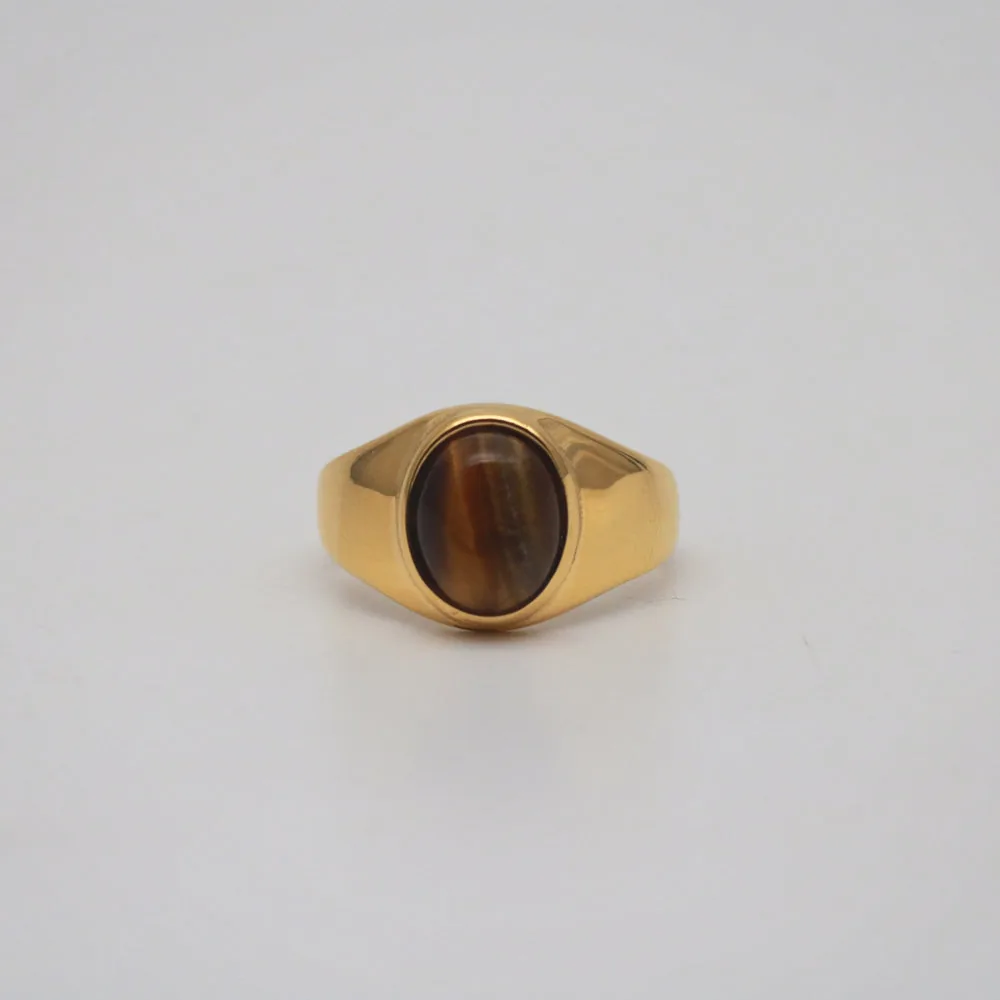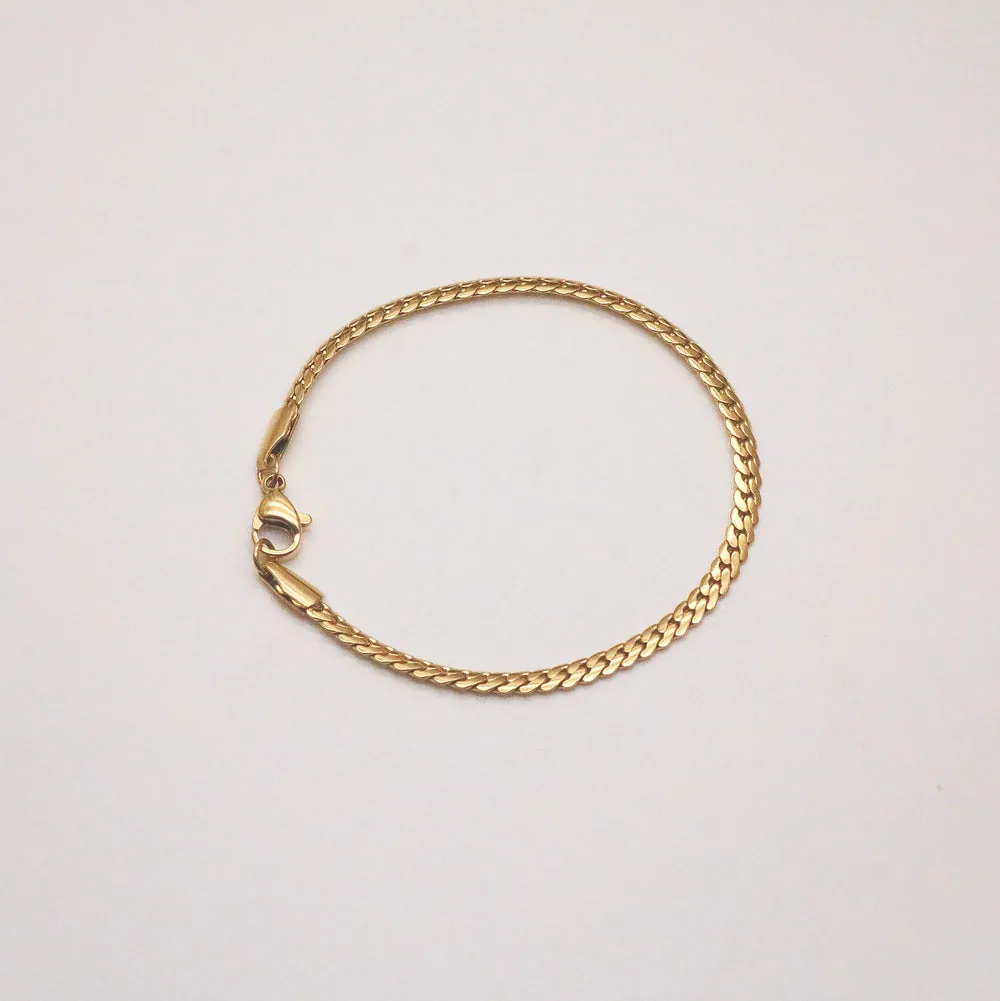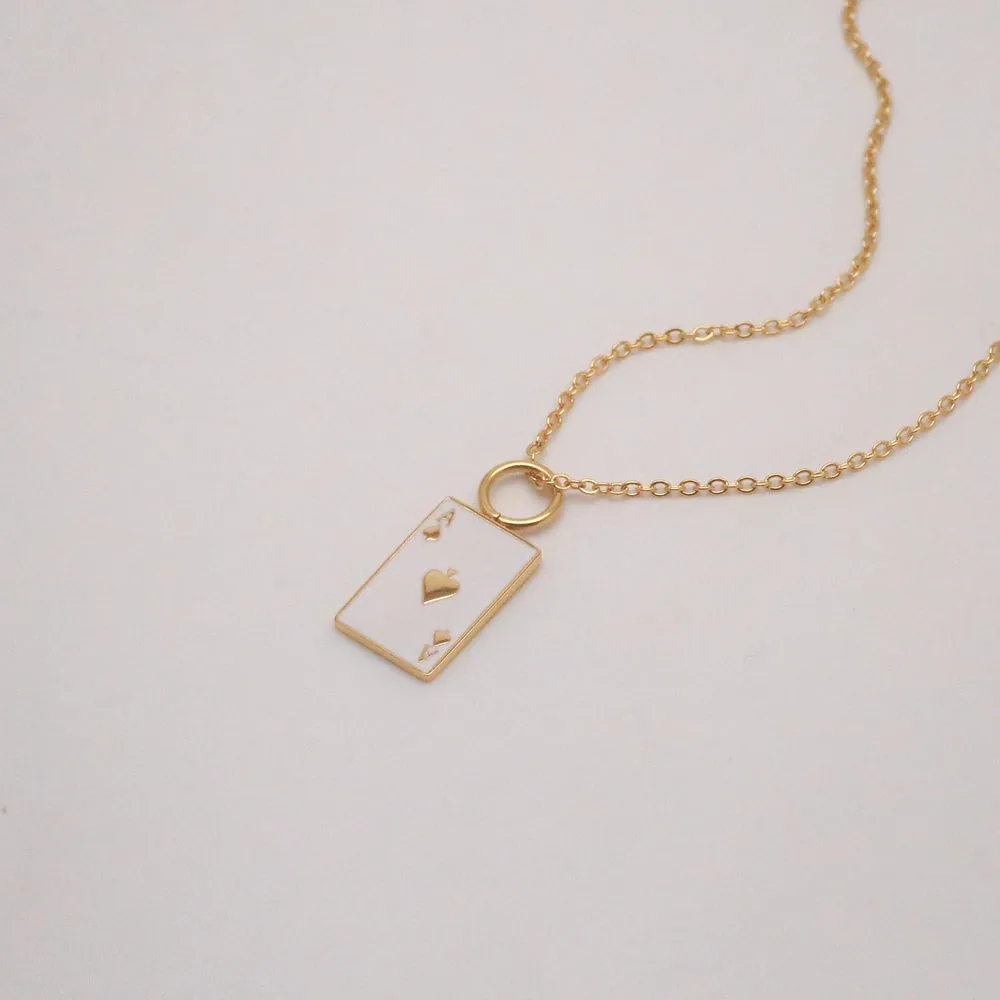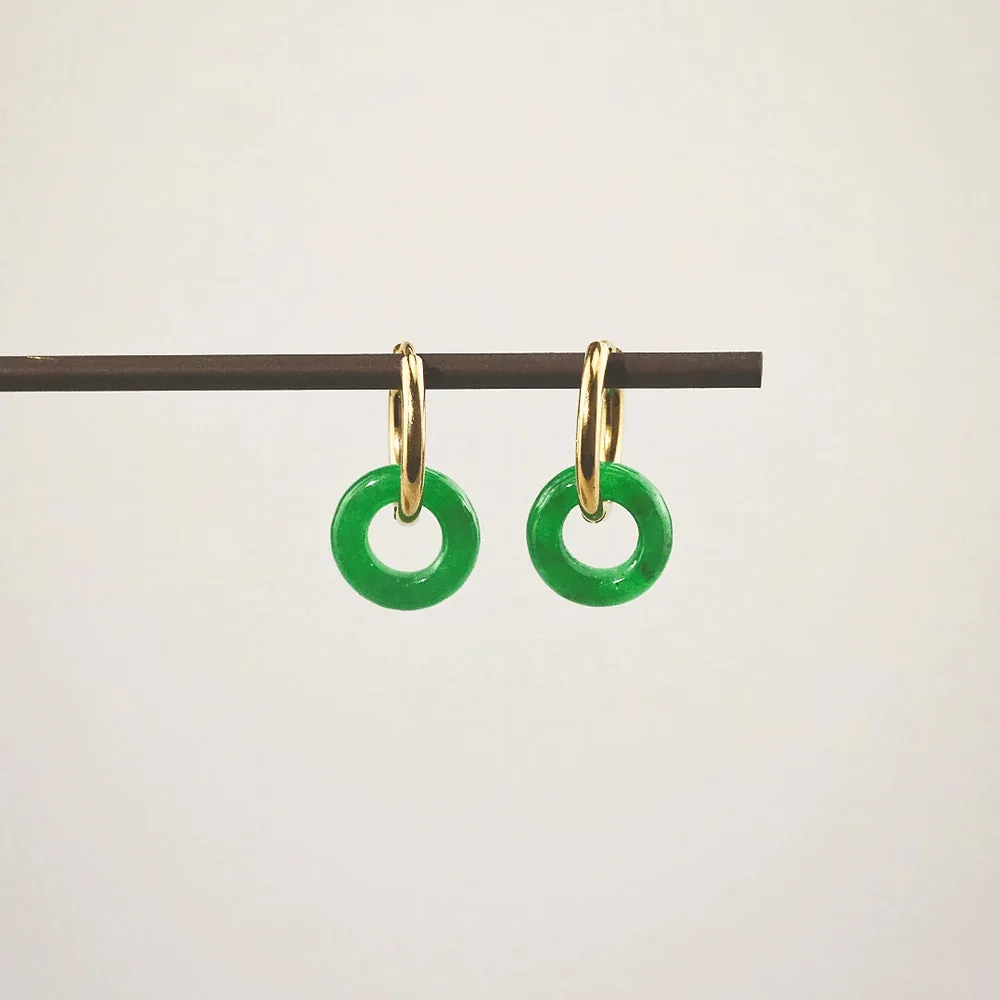
Almost every week a customer walks into a boutique, points at a pair of earrings, and asks the same nervous question: "Will these bother my ears?" It is one of the most common objections in jewelry, and how you answer it decides both the sale and, later, whether that piece comes back as a return. The temptation is to reassure hard — "totally hypoallergenic, nickel-free, you'll be fine." That single sentence is where a lot of boutiques get themselves into trouble. This guide walks through what nickel allergy actually is, why hypoallergenic jewelry for sensitive skin is a real selling point, and exactly which claims you can make honestly — the ones that both close the sale and keep you out of a compliance mess.
Key takeaways
- "Nickel-safe" is honest; "nickel-free" usually isn't: 316L stainless steel contains nickel — it just releases very little, meeting the EU EN 1811 standard behind REACH nickel limits. Call it nickel-safe or low-nickel-release, never nickel-free.
- Never promise zero reactions: sensitivity varies person to person, so "will never react" and "100% hypoallergenic" are claims you cannot stand behind. "Suitable for most sensitive skin" is the honest ceiling.
- Accurate claims protect your margin: honest, specific language is both safer under FTC guidance and lowers returns, because a customer who was told the truth is far less likely to feel misled when a rare reaction happens.
What a nickel allergy actually is (and why earrings matter most)
A nickel allergy is a form of allergic contact dermatitis — the immune system reacts to nickel that leaches out of a metal in contact with skin. The result is redness, itching, small blisters, or a dry rash where the metal sat. It is one of the most common contact allergies there is; I won't quote a percentage because the honest answer is "common, and more common in women and in anyone with pierced ears," not a precise figure I'd be making up.
Earrings are the flashpoint for a specific reason: a pierced ear puts metal directly inside broken skin, in prolonged contact, often for days at a time. That is the single most demanding exposure in all of jewelry, which is why the EU sets a tighter nickel limit for piercing posts than for anything else. When a customer asks about "jewelry for sensitive ears," they are really asking about that exposure. Necklaces, bracelets, and rings matter too, but earrings are where an over-confident claim comes back to bite you fastest.
Nickel-safe vs nickel-free: the distinction you must get right
Here is the single most important thing in this whole post. 316L stainless steel is nickel-safe, not nickel-free. The alloy actually contains a meaningful amount of nickel — roughly 10–12% — but it is locked into a stable structure, so the piece releases very little nickel to the skin. Low release is the whole game. An allergy is triggered by the nickel that migrates onto skin, not by the nickel sitting inertly inside the alloy.
The standard that measures this is EN 1811, the EU nickel-release test. It caps release at 0.5 µg/cm²/week for items in prolonged skin contact and a stricter 0.2 µg/cm²/week for posts that go through a piercing. Those limits are what underpin the nickel restrictions in EU REACH. A well-made 316L piece is designed to sit under those thresholds — which is exactly why surgical-grade 316 has long been a common choice for body piercings. So the honest claim is: nickel-safe, low nickel release, suitable for most sensitive skin. The claim you must not make is "nickel-free," because it is literally false for a steel that contains nickel, and a savvy customer (or a regulator) can catch it. If you're deciding between metals for your assortment, our stainless steel jewelry wholesale guide goes deeper on why 316L is the core we build the whole line on.
Claims: honest vs overclaim (and what to say instead)
Below is the table I wish someone had handed me when I started. Read it as your tag-and-sign-copy cheat sheet. The pattern is always the same: swap an absolute promise for a specific, defensible one.
| The claim | Honest? | Say this instead |
|---|---|---|
| "Nickel-free" | No — 316L contains nickel | "Nickel-safe / low nickel release (meets EU EN 1811)" |
| "Hypoallergenic" | Only if qualified | "Hypoallergenic — suitable for most sensitive skin" |
| "Will never cause a reaction" | No — sensitivity varies | "Well tolerated by most people with sensitive skin" |
| "Surgical / 316L steel" | Yes, if it truly is 316L | "316L stainless steel core — nickel-safe" |
| "Solid gold" (on a plated piece) | No — it's plated | "18k gold-plated over 316L stainless steel" |
Notice that "hypoallergenic" isn't banned — it's just a word that means "designed to minimize allergic reaction," not "guaranteed never to." Qualify it and you're fine. And the "solid gold" row matters here too: an over-claim about the metal is the same category of risk as an over-claim about nickel. For the full breakdown of gold language, see gold-plated vs vermeil vs solid gold.
Why accurate claims protect you — legally and on the sales floor
Two forces reward honesty here. The first is legal. In the US, the FTC jewelry guides (16 CFR Part 23) govern how you describe jewelry, and the broader FTC rule against deceptive claims means an unqualified "nickel-free" or "hypoallergenic, guaranteed" on a piece that can still react is exactly the kind of statement that gets a retailer in trouble. You don't want your boutique's name on a claim you can't substantiate.
The second force is quieter but hits your P&L harder: returns and trust. When you tell a customer "this is nickel-safe and suitable for most sensitive skin, and here's how to care for it," you've set an honest expectation. If a rare reaction happens, they're disappointed but not betrayed — and they come back. When you promised "you'll never react" and they do, you've lost the sale, the return costs you, and you've lost the customer. Honest framing is a return-rate lever, the same way durable materials are. Hand every sensitive-skin buyer a care card so the message travels home with the piece; our jewelry care card to hand out gives you the template. And if you want the wider playbook on running the floor, the pillar is how to run a jewelry boutique. You can see how nickel-safe language reads across live listings in our earrings category or the full wholesale line.
More wholesale guides
- How to Run a Jewelry Boutique — the full operating pillar for stockists.
- Gold-Plated vs Vermeil vs Solid Gold — describe every gold tier honestly on a tag.
- Stainless Steel Jewelry Wholesale — why 316L is the nickel-safe core we build on.
- The Jewelry Care Card to Hand Out — set expectations that lower returns.
- Browse the full wholesale line — every piece on an 18k-gold-plated 316L core.
Hypoallergenic & nickel-safe jewelry: FAQ
316L stainless steel is nickel-safe, which is what "hypoallergenic" honestly means in jewelry — designed to minimize reactions, not guaranteed to prevent them. It contains nickel but releases very little, meeting the EU EN 1811 limits (0.5 µg/cm²/week for skin contact, 0.2 for piercing posts). Describe it as suitable for most sensitive skin, not as reaction-proof.
"Nickel-free" means the metal contains no nickel at all. "Nickel-safe" (or low-nickel-release) means the metal may contain nickel but releases so little that it's tolerated by most sensitive skin. 316L stainless steel is nickel-safe, not nickel-free — so use "nickel-safe" on your tags to stay accurate.
No. 316L stainless steel contains roughly 10–12% nickel, so calling it nickel-free is inaccurate and risks a deceptive-claim problem under the FTC jewelry guides. Say "nickel-safe" or "low nickel release, meets EU EN 1811" instead — that's true, defensible, and still reassuring to sensitive-skin buyers.
Yes, as long as you qualify it. "Hypoallergenic" means designed to reduce allergic reactions, not to eliminate them. Pair it with "suitable for most sensitive skin" and avoid absolutes like "will never react" or "100% hypoallergenic," which you cannot substantiate because sensitivity varies from person to person.
We run a $100 minimum order with NET-60 terms at 0% interest, and your first order ships with free returns. Every piece is 18k-gold-plated over a nickel-safe 316L core and carries a 1-Year Color Warranty, so you can put a sensitive-skin assortment on your floor with limited downside.
Tell them the truth: the earrings are nickel-safe 316L that releases very little nickel and is well tolerated by most people with sensitive skin, though no metal can be guaranteed for every individual. Send them home with a care card, and suggest they start with the earrings on for a full day to test comfort. Honesty here builds the repeat customer.
Open a Couture's Corner wholesale account
Stock a nickel-safe assortment your sensitive-skin customers can trust — every piece is 18k-gold-plated over a low-nickel-release 316L core. See why we build on 316L stainless steel, then browse the full wholesale line. $100 minimum · NET-60 terms · first order ships with free returns.
Open a wholesale account →